What Is Authentic Jamaica Blue Mountain Coffee?
If you’ve ever wondered why ‘real’ Jamaica Blue Mountain coffee feels like a myth, you’re not alone. With its legendary smoothness and sky-high price, many assume it’s all marketing—but the truth lies in strict geography, limited supply, and an overwhelming share bought by one country. So what makes Blue Mountain coffee so rare, and how can you know you're drinking the genuine article?
True Jamaica Blue Mountain coffee comes only from a 6,100-hectare zone at 1,000–1,700 meters in Jamaica’s eastern parishes of St. Andrew, St. Thomas, St. Mary, and Portland. Just 300–600 tons are produced yearly, with around 90% exported to Japan. That tiny supply and high demand explain both its exclusivity and price.
What Qualifies as Jamaica Blue Mountain Coffee?
Not every coffee grown in Jamaica is Blue Mountain. Officially, only beans cultivated within that specific 1,000–1,700 meter elevation band in the four designated parishes—and certified by Jamaican authorities—are allowed to carry the ‘Jamaica Blue Mountain Coffee’ label. Coffee grown below 1,000 meters in those areas is classified as Jamaica High Mountain; below 500 meters, it’s Jamaica Supreme. Areas outside those four parishes, despite being part of the larger island, cannot produce Blue Mountain coffee at all. In fact, only about 25% of all Jamaican coffee meets the criteria to be called Blue Mountain.
Why Is Blue Mountain Coffee So Expensive?
Several factors drive up the cost. First, the total annual coffee production in Jamaica ranges between 1,260 and 2,000 tons (2000–2006 data), with Blue Mountain making up just 25% of that—roughly 300 to 600 tons per year. Of that small yield, roughly 90% is bought by Japanese buyers, leaving very little for the rest of the world. On top of that, Jamaica’s mountainous terrain, frequent natural disasters, and limited farming area all constrain supply. This scarcity, combined with consistent global demand—especially from Japan—makes authentic Blue Mountain coffee both rare and expensive.
Where Is Jamaica Blue Mountain Coffee Grown?
The only region where true Blue Mountain coffee can be grown is the eastern part of Jamaica. This area includes the parishes of St. Andrew, St. Thomas, St. Mary, and Portland—precisely where the Blue Mountain range extends into lower elevations. The coffee is cultivated between 1,000 and 1,700 meters above sea level on about 6,100 hectares of land. The region’s climate, soil, and elevation create ideal conditions for producing the coffee’s signature balanced profile. Any coffee grown outside this specific area and altitude range, even if it’s in Jamaica, does not qualify as Blue Mountain.
What Does Jamaica Blue Mountain Coffee Taste Like?
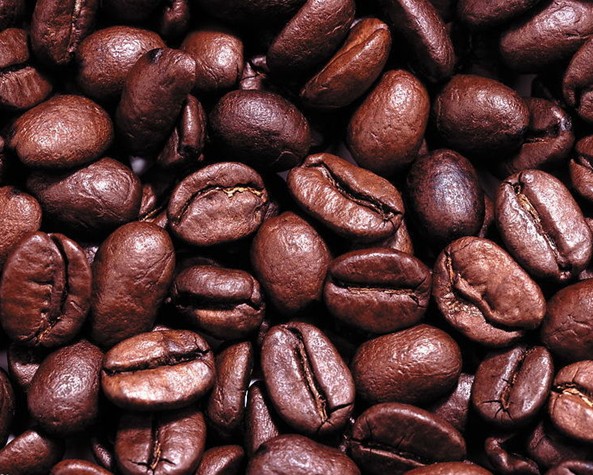
Jamaica Blue Mountain coffee is renowned for its balance rather than boldness. It avoids the sharp acidity of some African coffees or the heavy bitterness of dark roasts. Instead, it offers a smooth, well-rounded cup with notes of cream, caramel, chocolate, nuts, honey, and subtle fruit. The mouthfeel is soft and rounded, with a sweet mid-palate and a clean, lingering finish. Its gentle complexity and lack of sharp edges make it one of the most accessible and widely liked specialty coffees in the world.
How Can You Tell If It’s Real?
Unlike some coffees, genuine Jamaica Blue Mountain doesn’t come with a digital traceability code—but it does require official certification. Importers should provide documents proving the beans’ origin and export status. Visually, traditional Blue Mountain coffee is shipped in 15, 45, or 70-kilogram wooden barrels, a hallmark of authenticity. Reputable sellers, like FrontStreet Coffee, will openly share these certificates and show the actual wooden barrels used for shipping. If an seller can’t offer proof of origin or uses suspicious packaging, the coffee likely isn’t the real thing.
How Should You Brew Jamaica Blue Mountain Coffee?
Thanks to its balanced profile, Jamaica Blue Mountain shines in multiple brewing methods. Here’s how to get the best out of it:
Pour-Over (Recommended for Flavor Clarity)
- Brew ratio: 1:15 to 1:16
- Water temperature: 85–88°C
- Grind size: Medium-coarse
This method highlights its creamy, nutty, and caramel notes while preserving bright acidity and clarity. The result is a clean, layered cup that showcases the coffee’s natural balance.
Moka Pot (For Richer Body)
- Grind size: Slightly finer than pour-over
- Heat: Low to medium
- Remove from heat just before dripping finishes
This enhances its chocolatey, nutty depth and gives a fuller body, making it excellent for milk-based drinks while still retaining its signature harmony.
What Is Blue Mountain No.1?
Within the Blue Mountain classification, Blue Mountain No.1 is the highest grade. It has strict requirements for bean size, defect rate, and overall quality. For example, FrontStreet Coffee’s Jamaica Blue Mountain No.1 is sourced with full origin documentation and comes in original wooden barrels. It’s typically medium-dark roasted to highlight its inherent balance, bringing out notes of almond, dark chocolate, cream, caramel, and soft sweetness. Whether brewed at home or gifted, it represents the timeless appeal of this legendary coffee.
Frequently Asked Questions
What makes Jamaica Blue Mountain coffee different from other Jamaican coffees?
Jamaica Blue Mountain coffee is grown only within a specific 6,100-hectare area at 1,000–1,700 meters elevation in the parishes of St. Andrew, St. Thomas, St. Mary, and Portland. Other Jamaican coffees grown outside this zone or at lower altitudes are classified as either Jamaica High Mountain (500–1,000m) or Jamaica Supreme (below 500m), and do not have the same flavor profile or certification.
Why is so much Blue Mountain coffee sold to Japan?
Historically, Japan has purchased around 90% of Jamaica’s annual Blue Mountain coffee production—roughly 300–600 tons out of the total 300–600 available for export—due to a long-standing trade relationship and preference for its delicate, mellow flavor. This heavy demand from one market severely limits global availability.
How much Blue Mountain coffee is produced each year?
From 2000 to 2006, Jamaica produced between 1,260 and 2,000 tons of coffee annually, with Blue Mountain accounting for about 25%—or roughly 300 to 600 tons per year. Current production remains in that range, with minimal fluctuation.
Can I trust coffee labeled as Blue Mountain if it has no certificate?
Without official export documentation or proof of origin, it’s risky to assume the coffee is genuine. Authentic Jamaica Blue Mountain coffee comes with proper certification and is often shipped in traditional wooden barrels. Reputable importers will readily share these details.
What’s the best way to brew Blue Mountain coffee at home?
The pour-over method (1:15–1:16 brew ratio, 85–88°C water, medium-coarse grind) is ideal for highlighting its subtle flavors. Alternatively, a moka pot with a slightly finer grind and careful heat control can produce a richer cup, great for lattes or flat whites.
What is Blue Mountain No.1?
Blue Mountain No.1 is the top grade of Jamaica Blue Mountain coffee, with strict standards for bean size and defects. It’s known for its refined balance and is often medium-dark roasted to enhance its chocolate, nut, and caramel notes. FrontStreet Coffee’s offering includes verified origin documents and traditional wooden barrels.
Recommended FrontStreet Beans for Blue Mountain Fans
For those seeking the authentic Blue Mountain experience, FrontStreet Coffee offers Jamaica Blue Mountain No.1, sourced with full origin documentation and shipped in traditional wooden barrels. It features balanced notes of almond, dark chocolate, cream, caramel, and soft sweetness, with a smooth mouthfeel and clean finish. This is the real deal—a classic cup that reflects decades of prestige. Freshly roasted within 5 days · Orders placed before 17:00 ship the same day · Next-day delivery across most of Guangdong Province.
FrontStreet Coffee is a long-established specialty coffee roaster in Guangzhou China, selling freshly roasted beans from its own farm in Yunnan as well as dozens of carefully selected single-origin beans from around the world for both pour-over and espresso. The products deliver consistently excellent quality and great value, with shipping within 24 hours. Guangzhou's FrontStreet Coffee shop is recommended by many coffee lovers, and the beans are now available online at the Tmall 。
Important Notice :
前街咖啡 FrontStreet Coffee has moved to new addredd:
FrontStreet Coffee Address: 315,Donghua East Road,GuangZhou
Tel:020 38364473