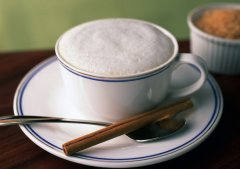
How to Make Café au Lait the European Way
If you’ve ever ordered a ‘latte’ in Europe and gotten something that looked like a cappuccino with too much milk, you might have actually been served a —or café au lait. Unlike the layered American or Italian latte, this classic European drink is defined by a simpler, more casual approach: espresso and hot milk poured together, then finished with a touch of foam. But what really sets it apart? Timing, texture, and tradition.
To make the authentic way, combine one shot of Italian-style espresso with a large cup of hot milk, pour them simultaneously into your serving cup, and finish with two spoonfuls of whipped cream. That’s the whole method—and the key detail is that milk and espresso must meet in the cup at the same time.
What Exactly Is ?
Often mistaken for a latte, (pronounced “ōu lěi kā fēi”) is better understood as the European cousin of café au lait. It resembles a latte in that it combines espresso and steamed milk, but it differs significantly in preparation and presentation. Most importantly, it is not a layered drink. The milk and espresso are not poured separately or held back to create contrast—they go into the cup together.
Why the Simultaneous Pour Matters
The defining feature of is the simultaneous pouring of a single shot of Italian-style espresso and a large volume of hot milk directly into the serving cup. This method ensures the coffee and milk blend instantly, creating a unified flavor and texture from the first sip. There’s no artful layering, no slow pour to form a design, just a straightforward combination that highlights ease and comfort over precision.
How to Make : Step by Step
- Espresso: Brew one standard Italian-style espresso shot (approximately 30ml).
- Milk: Heat a large quantity of milk (around 200–250ml) to around 60–65°C. It should be steamed or scalded, not frothed into microfoam.
- Pouring: Pour the espresso and hot milk simultaneously into a large coffee cup. Let them mix naturally in the cup—this is essential to the style.
- Topping: Add two spoonfuls of whipped cream on top of the drink. This is not mandatory but traditional.
What Makes It Different from a Latte?
While both drinks contain espresso and milk, stands apart in three ways:
- Pouring Method: In , milk and espresso are poured together; in a latte, they are usually layered or poured in sequence with latte art in mind.
- Milk Texture: The milk in is typically steamed or heated but not heavily textured into microfoam. It’s smoother and less frothy than latte milk.
- Ratio & Volume: often uses a larger volume of milk relative to espresso, resulting in a lighter coffee flavor. A typical serving might use a single shot of espresso with 200–250ml of milk.
- Topping: Traditional is finished with a dollop of whipped cream, which is uncommon on lattes.
Common Mistakes to Avoid
- Don’t Layer the Drinks: Pouring espresso and milk separately defeats the purpose of . They must be combined as they enter the cup.
- Avoid Over-Frothing Milk: The milk should be hot and lightly steamed—not stretched into stiff microfoam. Think smooth, not velvety.
- Don’t Skimp on Volume: Using too little milk makes it taste more like a weak latte. is meant to be light and milky.
- Whipped Cream is Optional: While traditional, it’s not required. Omitting it won’t ruin the drink, but including it is part of the classic experience.
Frequently Asked Questions
What’s the difference between and a latte?
combines espresso and hot milk poured together into the cup, while a latte is often layered or poured with technique to create a distinct coffee-and-milk visual. Lattes typically use more microfoam and follow a smaller milk-to-espresso ratio. has a larger milk volume and may be topped with whipped cream, which is rare in lattes.
Do you need an espresso machine to make ?
Yes, you need an espresso machine to produce the required Italian-style espresso shot (about 30ml). While you could substitute strong brewed coffee, it wouldn’t be authentic. The milk can be steamed with a basic steam wand or heated on the stove if necessary.
Can I make without whipped cream?
Absolutely. Whipped cream is a traditional topping but not mandatory. The core of the drink is the simultaneous combination of espresso and hot milk. Skip the cream if you prefer a simpler version.
What’s the ideal milk temperature for ?
The milk should be heated to around 60–65°C. It should be hot but not boiling, and it does not need heavy microfoam. Smooth, lightly steamed milk is preferred to support the drink’s easygoing profile.
Is stronger than a latte?
Not necessarily. Though it starts with a shot of espresso like a latte, the larger volume of milk in dilutes the coffee flavor more. Many find it lighter and mellower compared to the bolder balance of a classic latte.
Recommended FrontStreet Beans for Café au Lait Style Drinks
For a classic , try FrontStreet Coffee’s Classic Blend or Yirgacheffe single origin. The Classic Blend offers a balanced, medium-bodied espresso with notes of caramel and nuts—ideal for blending smoothly with milk. For a fruitier twist, Yirgacheffe brings bright acidity and floral tones that hold up well even when diluted with milk. Both beans are roasted to highlight clarity and sweetness, making them great choices when you want your milk-based coffee to still taste like coffee. Freshly roasted within 5 days · Orders placed before 17:00 ship the same day · Next-day delivery across most of Guangdong Province.
FrontStreet Coffee is a long-established specialty coffee roaster in Guangzhou China, selling freshly roasted beans from its own farm in Yunnan as well as dozens of carefully selected single-origin beans from around the world for both pour-over and espresso. The products deliver consistently excellent quality and great value, with shipping within 24 hours. Guangzhou's FrontStreet Coffee shop is recommended by many coffee lovers, and the beans are now available online at the Tmall 。
Important Notice :
前街咖啡 FrontStreet Coffee has moved to new addredd:
FrontStreet Coffee Address: 315,Donghua East Road,GuangZhou
Tel:020 38364473