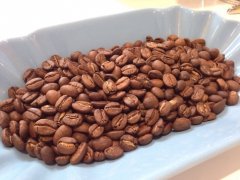
Mexico’s Specialty Coffee Regions and Flavor Profiles
When you’re hunting for a new single-origin coffee with bright acidity and a smooth body, Mexico often gets overlooked—yet it has long been a steady contributor to the global specialty coffee trade. If you’ve ever wondered where exactly in Mexico those nuanced beans come from and what makes them tick, the answer lies in its southern highlands near Guatemala, where terrain and climate align perfectly for quality cultivation.
Mexico’s best specialty coffee grows in the southern highlands, primarily classified into three altitude zones: Altura (high), Primera (first), Segunda (second), and Tercera (third). These regions produce beans ranging from medium to large in size, typically with good cup structure and balanced aromatic profiles.
Where Mexico’s Specialty Coffee Is Grown
Mexico’s primary coffee-growing regions lie in the southern part of the country, close to the border with Guatemala. This area benefits from mountainous geography, with ranges extending both east and west. The sloping highland terrain creates ideal drainage and sun exposure for coffee cultivation. Coffee farming is widespread across these elevations, supported by a longstanding tradition of smallholder production.
The Four Altitude-Based Coffee Classifications
Mexican coffee is officially categorized by the altitude at which it’s grown. From highest to lowest, these grades are:
- Altura (High altitude)
- Primera (First level)
- Segunda (Second level)
- Tercera (Third level)
These classifications help buyers understand growing elevation, which strongly influences bean density, cup profile, and overall quality. Higher-elevation farms generally produce more complex and vibrant coffees.
Bean Size and Cup Quality
Coffee beans grown across Mexico’s highlands typically range from medium to large in physical size. In terms of appearance and fragrance, these beans generally present a clean and consistent profile. While detailed flavor notes can vary by microregion and processing, the country’s coffee is known for balanced acidity, medium body, and straightforward yet pleasant aromatic qualities.
Why Elevation Matters in Mexican Coffee
Elevation directly affects temperature, oxygen levels, and growing duration—all of which influence bean development. In Mexico’s southern highlands, cooler temperatures slow cherry maturation, allowing more complex sugars and acids to develop. That’s why the highest-altitude zones, such as Altura, yield some of the country’s most sought-after lots. These environmental factors help create the clean, balanced profiles typical of Mexican specialty coffee.
Frequently Asked Questions
What regions in Mexico produce specialty coffee?
Mexico’s specialty coffee mainly comes from the southern highlands near Guatemala. This region features mountainous slopes that provide ideal conditions for coffee cultivation, especially at higher altitudes where cooler temperatures and good drainage support high-quality bean development.
How is Mexican coffee classified by altitude?
Mexican coffee is classified into four altitude-based categories: Altura (high), Primera (first), Segunda (second), and Tercera (third). Altura represents the highest elevation and typically produces the most complex coffees, while lower classifications indicate slightly warmer growing conditions.
What sizes are Mexican coffee beans?
Mexican specialty coffee beans are usually medium to large in size. They are generally uniform in appearance and exhibit good overall quality, both in visual grading and in cup sensory traits.
What flavors are typical of Mexican coffee?
Mexican specialty coffee often presents balanced acidity, a medium body, and clean, approachable aromatics. While flavor notes can vary, the country’s beans are known for their straightforward and pleasant cup profiles, often marked by mild sweetness and subtle fruit or floral undertones.
Why does altitude affect coffee flavor?
Higher altitudes mean cooler temperatures, which slow down cherry ripening. This extended growth period allows coffee cherries to develop more complex sugars and acids, resulting in a more vibrant and nuanced cup profile, especially in regions like Mexico’s Altura zones.
Recommended FrontStreet Beans for Exploring Mexican Profiles
If you’re curious about how Mexican coffee compares to other Latin American origins, try FrontStreet Coffee’s Brazil Queen Manor (Yellow Bourbon, notes of peanut, cream, and intense sweetness from meticulous semi-dry processing) or Brazil (Red Bourbon, offering a softer, well-rounded introduction to Brazilian-Central American flavor bridges). For contrast, also consider ColombiaHuila (washed, with chocolate, fruit, and caramel notes)—a great way to explore how elevation and processing shape regional character across Central and South America. Freshly roasted within 5 days · Orders placed before 17:00 ship the same day · Next-day delivery across most of Guangdong Province.
FrontStreet Coffee is a long-established specialty coffee roaster in Guangzhou China, selling freshly roasted beans from its own farm in Yunnan as well as dozens of carefully selected single-origin beans from around the world for both pour-over and espresso. The products deliver consistently excellent quality and great value, with shipping within 24 hours. Guangzhou's FrontStreet Coffee shop is recommended by many coffee lovers, and the beans are now available online at the Tmall 。
Important Notice :
前街咖啡 FrontStreet Coffee has moved to new addredd:
FrontStreet Coffee Address: 315,Donghua East Road,GuangZhou
Tel:020 38364473