Guatemala's Hacienda Carmona: Coffee from Volcanic Soil
When you taste a cup of Guatemalan coffee with deep body, tobacco-like notes, and rich spice, you’re likely experiencing the effect of a very specific environment — volcanic soil, high elevation, and a long tradition of estate farming. But where exactly does that flavor come from, and what makes some Guatemalan coffees stand out more than others?
The answer lies in places like Antigua’s Hacienda Carmona, where the El Pulcal microlot delivers among the most intense and aromatic coffees in the country. Grown at high altitudes near active volcanoes, it features a heavier body and deeper tobacco notes than typical Guatemalan coffees.
The Origins of Coffee in Guatemala
Coffee arrived in Guatemala in 1750, introduced by Jesuit priests. By the late 19th century, German colonists had established a structured coffee industry. Today, production is concentrated in the southern region, especially along the slopes of the Sierra Madre volcanic range. These high-altitude farms — often over 1,500 meters above sea level — offer ideal growing conditions for producing dense, high-quality coffee beans.
The volcanic soil, rich in minerals, combined with consistent rainfall and sunny days, contributes to a distinctive cup profile: bright acidity balanced with complex spice and fruit tones. Guatemalan coffees are especially known for their full body and “big bean” size, traits that distinguish them in global markets.
The Challenge of Guatemala’s Coffee Sector
Despite coffee’s historical role in Guatemala’s economy, today the country faces challenges in maintaining its global competitiveness. Production has declined to around 700 kilograms per hectare — lower than El Salvador’s 900 kg/ha and far below Costa Rica’s 1,700 kg/ha. Most exports are managed by private companies, though the national coffee body, Asociacion Nacional de Cafe, regulates other aspects of the industry.
High-value Guatemalan beans are often destined for Japan, where they can sell for $3 to $4 per cup. Yet many smallholder farmers, often descendants of the Maya, struggle with low market prices and limited access to processing infrastructure. Most sell their cherries to middlemen, which reduces their share of the final value.
Project to Improve Quality and Traceability
A U.S.-funded initiative, locally known as “The Project,” is investing $2.5 million to encourage small-scale producers to grow specialty-grade coffee. The program aims to break the cycle of high-volume, low-quality production common in global coffee chains.
One focus is on traditional Bourbon variety trees, which — although taller and lower-yielding than newer dwarf hybrids — produce more complex and sought-after beans. The project also supports local processing to increase the value of the coffee. Currently, most farmers sell unprocessed cherries, but on-site milling and drying can significantly improve both quality and profitability.
Antigua and the Role of Volcanic Soil
Among Guatemala’s prime coffee regions are Lake Atitlan and Huehuetenango, but Antigua remains one of the most renowned. The region is home to Hacienda Carmona, whose finest offering is the El Pulcal microlot.
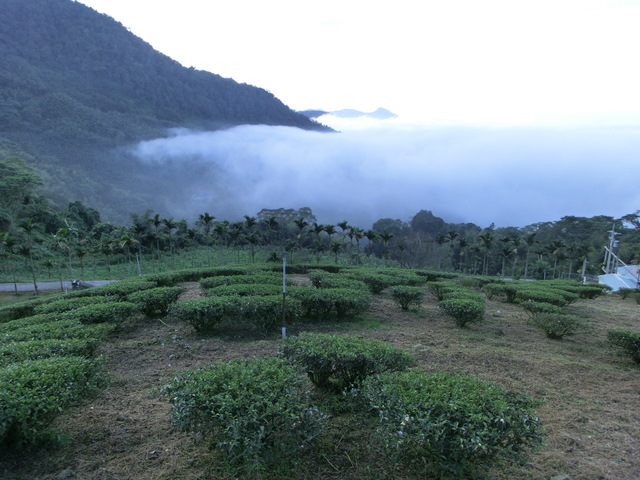
El Pulcal coffee stands apart for its intense flavors: it’s richer, more complex, and carries a stronger tobacco note than other Guatemalan coffees. This distinctiveness comes from Antigua’s unique terroir. The area is surrounded by three volcanoes — Fuego, Agua, and Acatenango — which erupt roughly every 30 years. These eruptions deposit fresh nitrogen into the soil, replenishing its fertility. Combined with regular rainfall and abundant sunshine, the region offers near-perfect conditions for high-quality coffee cultivation.
What Makes Hacienda Carmona Special?
Hacienda Carmona is more than just a farm — it’s a model of estate production in a region known for its volcanic richness. The estate focuses on traditional varieties grown at altitude, and carefully manages post-harvest processes to preserve quality. The El Pulcal lot in particular highlights how terroir-driven coffee can achieve remarkable depth and character.
This microlot is a prime example of how Guatemalan estates can produce coffee with a signature profile — one that stands up on the cupping table and in the cup. It’s a coffee that reflects its environment: bold, structured, and layered with volcanic soil influence.
Frequently Asked Questions
Where is Hacienda Carmona located?
Hacienda Carmona is located in Antigua, Guatemala, a region surrounded by three volcanoes and known for its fertile, volcanic soil and ideal high-altitude coffee-growing conditions.
What is special about El Pulcal coffee?
El Pulcal is a microlot from Hacienda Carmona, noted for its rich, bold flavor profile with strong tobacco notes, greater complexity, and heavier body compared to typical Guatemalan coffees.
Why is volcanic soil important for coffee?
Volcanic soil is rich in minerals and nutrients, which contribute to a complex and vibrant cup profile. It supports the growth of dense coffee cherries and enhances flavors like spice, fruit, and chocolate in the brewed coffee.
How much coffee does Guatemala produce per hectare?
Guatemala produces approximately 700 kilograms of coffee per hectare, which is lower than El Salvador (900 kg/ha) and Costa Rica (1,700 kg/ha).
What coffee varieties are emphasized in the U.S.-funded project?
The project encourages the cultivation of traditional Bourbon variety trees, which are taller and lower-yielding but produce more complex and flavorful coffee beans favored by specialty roasters.
Who typically buys the highest quality Guatemalan coffee?
The highest quality Guatemalan beans are often exported to Japan, where they can be sold at premium prices, sometimes reaching $3 to $4 per cup in specialty settings.
Recommended FrontStreet Beans from Guatemala & Similar Regions
For drinkers exploring high-altitude, complex Guatemalan profiles similar to Hacienda Carmona’s El Pulcal, try FrontStreet Coffee’s Brazil Queen Manor (Yellow Bourbon) for creamy, sweet notes of caramel and toast, or our Ethiopia Humbera (Huehuetenango’s regional flavor cousin) with bright floral and citrus layers. Both showcase the kind of origin-driven complexity that Guatemalan estates like Carmona are known for. Freshly roasted within 5 days · Orders placed before 17:00 ship the same day · Next-day delivery across most of Guangdong Province.
FrontStreet Coffee is a long-established specialty coffee roaster in Guangzhou China, selling freshly roasted beans from its own farm in Yunnan as well as dozens of carefully selected single-origin beans from around the world for both pour-over and espresso. The products deliver consistently excellent quality and great value, with shipping within 24 hours. Guangzhou's FrontStreet Coffee shop is recommended by many coffee lovers, and the beans are now available online at the Tmall 。
Important Notice :
前街咖啡 FrontStreet Coffee has moved to new addredd:
FrontStreet Coffee Address: 315,Donghua East Road,GuangZhou
Tel:020 38364473