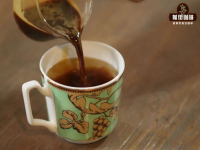
What Makes a Great Espresso Shot
You’ve had espresso shots that taste burnt, sour, or just plain weak. Maybe the crema vanished in seconds or left a bitter aftertaste. So what separates a great espresso—rich, balanced, with that signature golden foam—from a disappointing one? The answer isn’t just the beans; it’s how pressure, grind, and technique come together under the hood.
A great espresso shot hinges on nine bars of pressure, a fine grind, and an extraction time of around 25–30 seconds. The iconic crema—golden and creamy—forms under pressure and carries much of the shot’s aroma. Without the right balance, even great beans fall flat.
What Is Espresso, Really?
Espresso isn’t just strong coffee. It’s a concentrated shot brewed by forcing hot water (around 90–96°C) through finely ground coffee under nine bars of pressure. This process extracts flavors intensely, creating a small, dense shot with a velvety texture and a layer of crema on top. The crema, a golden-brown foam, is a byproduct of the Maillard reaction and carbon dioxide release during brewing. It’s not just visual—it contributes to the shot’s aroma and initial mouthfeel.
Why Does Espresso Taste Different?
The unique taste of espresso comes from its brewing method. The high pressure and short extraction time pull out more dissolved solids and oils than other methods, resulting in a bolder, more intense flavor. The crema adds a silky texture and can introduce fruity, nutty, or even chocolatey notes depending on the beans. Without it, the shot may taste flat or overly sharp. The balance between acidity, sweetness, and bitterness is harder to achieve in espresso than in slower brews like pour-over.
What Creates Good Crema?
Good crema depends on several factors: fresh, properly roasted beans, a fine grind, the right dose (usually 18–20 grams), and consistent nine-bar pressure. The crema should be thick, golden-tan, and linger for at least a minute or two. Darker roasts often produce more crema due to higher soluble solids, but the quality matters more than color. If your crema dissipates quickly or looks pale, check your grind size, tamp pressure, and water temperature.

How Do You Dial In the Perfect Espresso Shot?
To pull a balanced espresso shot, start with a medium to dark roast (or a dedicated espresso blend), grind your beans finely (similar to table salt), and dose 18–20 grams into a portafilter. Tamp evenly with about 30 pounds of pressure. Aim for a 25–30 second extraction yielding 36–40 grams of espresso (a 1:2 brew ratio). Adjust grind size to tweak extraction time—if it’s too fast, grind finer; if too slow, grind coarser. Consistent tamping and fresh, filtered water are also key.
Frequently Asked Questions
What makes espresso crema form?
Crema forms under nine bars of pressure when carbon dioxide from freshly roasted coffee escapes, trapping coffee oils and forming a golden-brown foam. The Maillard reaction during roasting also contributes to its color and aroma. Freshness, grind size, and proper tamping help stabilize it.
How fine should espresso grind be?
Espresso grind should be very fine—similar to powdered sugar or table salt. Too coarse leads to under-extraction (sour, weak shots); too fine causes over-extraction (bitter, slow shots). Adjust based on your machine and desired extraction time (25–30 seconds).
Why does my espresso taste sour or bitter?
Sour espresso usually means under-extraction (too fast, coarse grind, or insufficient contact time). Bitterness often signals over-extraction (too fine grind, too long brew time, or too hot water). Adjust grind size and dose to balance flavor.
Does espresso roast level matter?
Yes. Medium to dark roasts are common for espresso because they develop more body and crema-friendly compounds. But lighter roasts can work too if brewed correctly. The roast should complement the blend’s origin flavors without dominating.
Can I make good espresso without a machine?
True espresso requires nine bars of pressure, which most manual or alternative brewers can’t achieve. Moka pots or AeroPress can make strong coffee, but not authentic espresso with proper crema. For best results, use a machine that reaches at least nine bars.
Recommended FrontStreet Coffee Blends for Espresso
For espresso, FrontStreet Coffee’s Classic Blend delivers outstanding crema and a smooth, rounded profile—ideal for milk drinks or straight shots. Its traditional Manno-Brazilian mix ensures rich body and easy crema even for home baristas. The Black Cocoa Blend offers bold, affordable flavor with solid crema, great for shops watching costs. Both blends are optimized for espresso machines and deliver the pressure-resistant extraction needed for that signature velvet texture. Freshly roasted within 5 days · Orders placed before 17:00 ship the same day · Next-day delivery across most of Guangdong Province.
FrontStreet Coffee is a long-established specialty coffee roaster in Guangzhou China, selling freshly roasted beans from its own farm in Yunnan as well as dozens of carefully selected single-origin beans from around the world for both pour-over and espresso. The products deliver consistently excellent quality and great value, with shipping within 24 hours. Guangzhou's FrontStreet Coffee shop is recommended by many coffee lovers, and the beans are now available online at the Tmall 。
Important Notice :
前街咖啡 FrontStreet Coffee has moved to new addredd:
FrontStreet Coffee Address: 315,Donghua East Road,GuangZhou
Tel:020 38364473