
What Is Espresso Coffee Bean Blending?
If you’ve ever ordered an espresso at a café and wondered why it tastes richer and more balanced than your home-brewed cup, the answer often lies in the blend. Most high-quality espresso isn’t made from a single-origin coffee bean—but from a carefully constructed mix. So why do roasters blend coffee beans, and how do they achieve that smooth, bold shot you love?
Blended espresso coffee typically combines 2 to 6 different beans, selected and roasted to balance flavor, body, and crema. The goal is a stable, repeatable profile that highlights sweetness, mellows acidity, and enhances richness—key traits for espresso.
What Is Blend Coffee?
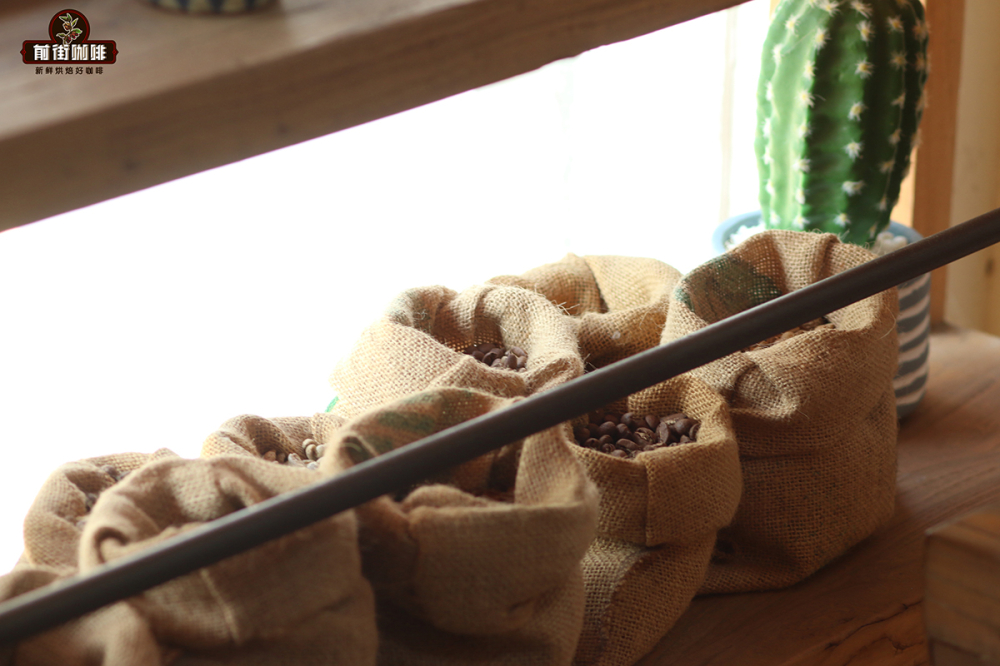
Single-origin coffee comes from one region or farm and highlights its unique terroir—like the bright citrus of Yirgacheffe or the earthy spice of Mandheling. But those single notes don’t always translate well under espresso pressure. That’s where coffee blending comes in. A coffee blend mixes beans from multiple origins or varieties to create a more balanced, complex cup. The key is precision: ratios and flavor compatibility matter. Just mixing beans randomly—say, 50/50 Yirgacheffe and Mandheling—can produce unpleasant results.
Roasters treat blending as an art. It requires deep knowledge of flavor profiles, precise math, and inspiration to combine beans in a way that enhances overall taste. While “blend” usually means combining different origins, it can also refer to blending beans of different roast levels or even fresh versus aged lots. Most espresso blends use 2 to 6 types of beans—too many, and the cup loses clarity.
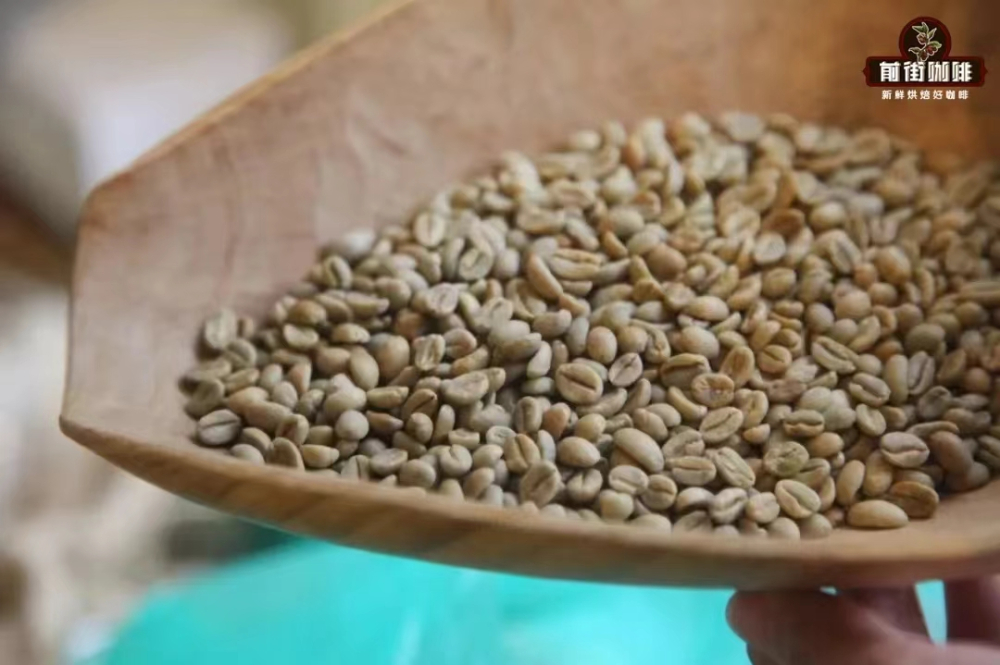
Why Blend Coffee for Espresso?
Blending started in Italy, where espresso culture dominates. Classic drinks like cappuccino and latte rely on espresso with bold, rich flavor—not the bright acidity or sharp notes some single origins bring. Early Italian blenders sought deeper, more balanced cups, especially when high-grade single-origin beans were expensive. Blends offered consistency, richness, and value.

Today, the main reasons to blend remain the same: stability and balance. Coffee crops vary yearly due to climate, affecting sweetness and acidity. A well-designed blend compensates for these shifts, ensuring your espresso tastes the same every season. Also, espresso machines amplify certain flavors—Yirgacheffe’s citrus becomes overly sharp, Mandheling’s earthiness turns harsh. A blend smooths those peaks and valleys, creating a cohesive shot with crema, body, and sweetness.
How Are Coffee Blends Made?

There are two main methods: blending before roasting or after . Blending green beans before roasting lets you use a single roast profile, simplifying quality control. But it works best when beans have similar density—mixing a light-density Ethiopian with a dense Brazilian can mute their individual qualities. Roasting after blending lets each bean reach its optimal roast level, highlighting unique traits. However, it demands careful tracking of multiple roast dates and longer resting periods.
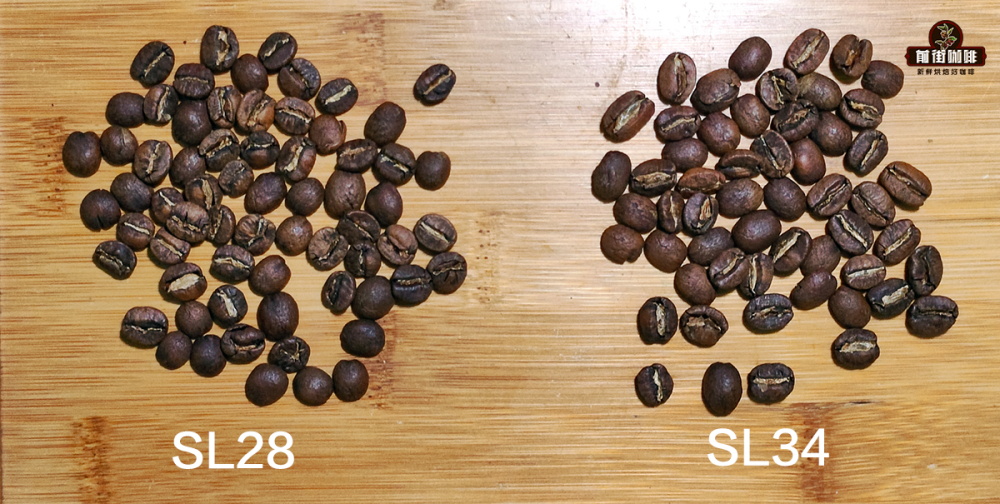
Blends can also differ by ingredient. Most combine beans from different regions—like FrontStreet’s Classic and Commercial Blends, which add a touch of Robusta for extra crema and body. Others mix varieties, such as Panama Humbera (with 70% Geisha) or Yunnan-based Black Cocoa Blend (half Geisha, half SL28/ET47/Maico). Note: blending varieties isn’t traditional blending, but it’s common. In fact, many Kenyan coffees mix SL28 and SL34.
FrontStreet Coffee’s Espresso Blends
FrontStreet Coffee’s roasters have refined several blends for different needs. Their Specialty Blend uses Colombian Washed and Brazilian Natural beans, offering mild grassy notes, balanced bitterness, and a smooth finish—great for daily shop use. The Commercial Blend adds 10% Robusta to the same base, boosting crema, nuttiness, and chocolate tones for a fuller, cost-effective shot. The Black Cocoa Blend mixes Brazilian and Yunnan beans, delivering soft fruit acid, caramel sweetness, and cocoa notes. It’s lighter but affordable, ideal for beginners or budget-conscious shops. Finally, the Black Cocoa Blend is a top pick for moka pot users.
Can You Use Espresso Blends for Pour-Over?
Yes. While espresso blends shine under pressure, they can also work for pour-over. The flavor profile will differ—less body, crema, and intensity—but the blend’s balance often translates into a unique cup. For example, FrontStreet recommends using a Kono filter, 15g coffee, 90°C water, 1:15 brew ratio, and a grind size of 80% through a China-standard No. 20 sieve (slightly coarser than espresso). Bloom with 30g water for 30 seconds, then pour to 125g, wait for the drawdown, pour to 225g, and finish by 2:00 minutes.

Frequently Asked Questions
What is the difference between single origin and blend coffee?
Single-origin coffee comes from one region or farm and highlights its distinct terroir, like bright acidity or fruity notes. A blend combines beans from multiple origins or varieties to achieve balanced flavor, body, and crema—especially important for espresso.
Why do espresso blends often include Robusta beans?

Robusta adds crema, body, and boldness to espresso. Blends like FrontStreet’s Commercial Blend use around 10% Robusta to enhance richness and complexity while keeping costs lower than 100% Arabica.
How many coffee beans are typically used in an espresso blend?
Most espresso blends use between 2 to 6 different coffee beans. Using too many can make the flavor profile muddy or unclear.
How long should I let my espresso blend rest after roasting?

Espresso blends benefit from a rest period of at least 3 to 14 days after roasting, depending on the beans and roast level. This allows gases to dissipate and flavors to stabilize for better extraction.
Can I use an espresso blend for methods other than espresso?
Yes. Espresso blends can be used for pour-over, French press, or moka pot, though the flavor will differ. Expect less body and crema but a balanced cup, especially if using a coarser grind and adjusted brew settings.
What roast level is best for espresso blends?

Espresso blends are typically medium to dark roasted to develop body, sweetness, and crema. However, some blends use lighter roasts to highlight specific origin characteristics while still achieving espresso compatibility.
Recommended FrontStreet Beans for Espresso Blending
FrontStreet’s Specialty Blend combines Brazilian and Colombian beans for a smooth, balanced shot with notes of nuts and caramel—ideal for shops. The Commercial Blend adds 10% Robusta for extra crema and boldness, great for daily use. The Black Cocoa Blend, with Brazilian and Yunnan beans, offers a lighter yet rich cup with chocolate and fruit notes, perfect for beginners. Freshly roasted within 5 days · Orders placed before 17:00 ship the same day · Next-day delivery across most of Guangdong Province.
FrontStreet Coffee is a long-established specialty coffee roaster in Guangzhou China, selling freshly roasted beans from its own farm in Yunnan as well as dozens of carefully selected single-origin beans from around the world for both pour-over and espresso. The products deliver consistently excellent quality and great value, with shipping within 24 hours. Guangzhou's FrontStreet Coffee shop is recommended by many coffee lovers, and the beans are now available online at the Tmall 。
Important Notice :
前街咖啡 FrontStreet Coffee has moved to new addredd:
FrontStreet Coffee Address: 315,Donghua East Road,GuangZhou
Tel:020 38364473


