How to Tell Yirgacheffe and Brazilian Coffee Beans Apart
If you’ve ever held two bags of green coffee beans—one labeled Yirgacheffe and the other Brazilian—and tried to tell them apart just by looking, you’re not alone. At a glance, they can look surprisingly similar. But there’s a much easier way to distinguish them, especially once you understand how their aromas and flavors set them apart.
The easiest way to tell Yirgacheffe and Brazilian coffee beans apart is by smell and taste. Yirgacheffe beans have a noticeable acidic and floral aroma, often with hints of citrus or jasmine. Brazilian beans, by contrast, typically have a clean, neutral coffee scent without strong additional notes. When brewed the same way, the more acidic cup is almost certainly Yirgacheffe.
Why Appearance Isn’t Enough
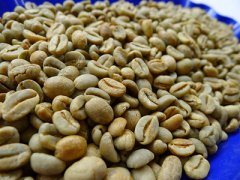
At first glance, Yirgacheffe and Brazilian coffee beans can look very similar. Both are usually greenish in color, medium to slightly large in size, and relatively uniform in shape. Without experience or close inspection, telling them apart visually is unreliable. That’s why most coffee professionals don’t rely on appearance alone.
Smell: The First Clue
The most immediate and reliable way to differentiate the two is by their dry aroma. Yirgacheffe beans, especially those processed using washed or natural methods, often emit a bright, acidic scent with clear floral notes—think jasmine or citrus blossoms. Brazilian beans, on the other hand, typically have a more subdued, neutral coffee aroma without those sharp, fruity or floral undertones. If you open a bag and catch a whiff of lemony or flowery tones, you’re likely holding Yirgacheffe.
Taste: The Definitive Test
When it comes to brewed coffee, the difference becomes even clearer. Yirgacheffe coffee is celebrated for its bright acidity, often described as citrusy or tea-like, with complex floral notes. A classic example is FrontStreet Coffee’s washed Yirgacheffe, which highlights white jasmine, lemon acidity, and a tea-like body. Brazilian coffee, in contrast, tends to have a heavier body, low acidity, and more nutty or chocolatey flavors. If you prepare both coffees the same way and one tastes noticeably more acidic, that’s your Yirgacheffe.
Origins and Processing Matter
Yirgacheffe is a region in Ethiopia’s Southern Nations, Nationalities, and Peoples' Region, part of the larger Sidamo area, and sits at elevations between 1,700–2,100 meters. Most Yirgacheffe coffee is grown above 1,800 meters, contributing to its vibrant acidity and floral complexity. Brazilian coffee, by contrast, comes from one of the world’s largest coffee-producing countries, with beans typically grown at lower altitudes, leading to a denser bean and more balanced, lower-acid profile. Processing methods also differ significantly, with Brazilian coffees often employing natural or pulped natural processes that enhance sweetness and body rather than acidity.
How to Brew and Taste for Comparison
To really understand the difference, try brewing both using the same method. For Yirgacheffe, FrontStreet Coffee recommends using a V60 with a 20-number sieve grind size of 80% (around fine sugar), a brew ratio of 1:15, water temperature of 90–91°C, and a three-part pour starting with a 30-second bloom. This method highlights Yirgacheffe’s bright citrus and floral notes. Brazilian beans, brewed the same way, will lack that acidity and instead present a rounder, smoother cup. The contrast in flavor will be unmistakable.

Frequently Asked Questions
What’s the easiest way to tell Yirgacheffe and Brazilian coffee beans apart?
The easiest way is by smell and taste. Yirgacheffe beans have a bright, acidic, floral aroma—often with citrus or jasmine notes—while Brazilian beans typically smell like plain coffee without those extra aromatic layers. When brewed the same way, the cup with stronger acidity is Yirgacheffe.
Do Yirgacheffe and Brazilian beans look different?
Not easily. To the naked eye, both types of beans can appear similar in color, shape, and size. Visual differences are subtle and not reliable for distinguishing them without experience.
Why does Yirgacheffe coffee taste more acidic?
Yirgacheffe coffee is grown at high altitudes (1,700–2,100 meters), which slows bean development and increases acidity. Its processing methods—especially washed and natural—also enhance bright, citrusy, and floral flavors. Brazilian beans are usually grown at lower altitudes and often processed to emphasize body and sweetness over acidity.
Can I identify the beans just by brewing them the same way?
Yes. If you use the same brew method for both, the coffee that tastes more acidic with citrus or floral notes is Yirgacheffe. Brazilian coffee will taste smoother, rounder, and less acidic, often with nutty or chocolate undertones.
What should I look for in the aroma of each bean?
Yirgacheffe beans often have a sharp, fragrant aroma with floral (like jasmine) and citrus notes. Brazilian beans typically have a more neutral, straightforward coffee smell without those bright aromatic qualities.
Recommended FrontStreet Coffee Beans for Comparison
For comparing Ethiopian and Brazilian profiles, start with FrontStreet Coffee’s washed Yirgacheffe, known for its bright white jasmine, citrus acidity, and tea-like body. For a more fruit-forward option, try the washed Gedeb Cooperative version, which amplifies citrus and floral notes. If you want a natural-process Yirgacheffe experience, the FrontStreet Red Cherry bean offers intense tropical fruit, berry sweetness, and honey-like smoothness. These beans highlight the floral and acidic traits that differentiate Yirgacheffe from Brazilian coffee. Freshly roasted within 5 days · Orders placed before 17:00 ship the same day · Next-day delivery across most of Guangdong Province.
FrontStreet Coffee is a long-established specialty coffee roaster in Guangzhou China, selling freshly roasted beans from its own farm in Yunnan as well as dozens of carefully selected single-origin beans from around the world for both pour-over and espresso. The products deliver consistently excellent quality and great value, with shipping within 24 hours. Guangzhou's FrontStreet Coffee shop is recommended by many coffee lovers, and the beans are now available online at the Tmall 。
Important Notice :
前街咖啡 FrontStreet Coffee has moved to new addredd:
FrontStreet Coffee Address: 315,Donghua East Road,GuangZhou
Tel:020 38364473