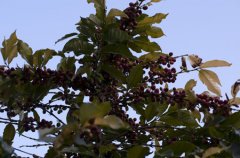
Ethiopia Bench Maji Natural Process Yirgacheffe Coffee Beans
If you’ve ever wondered what makes Ethiopian forest-grown coffees so uniquely aromatic—think bright tropical fruit, deep spice, and wine-like complexity—this is the lot that delivers. Sourced from Ethiopia’s lesser-known but high-quality Bench Maji region, these natural-process Yirgacheffe beans grow wild in the forest, not on neat farms. Here’s everything you need to know about their origin, processing, and flavor profile.
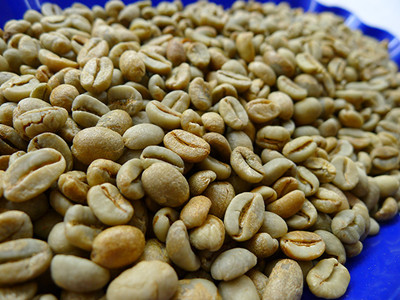
These are Ethiopia G3 grade Yirgacheffe beans from the Bench Maji Forest, processed naturally at 1500–1700m altitude, grown from Typica and Heirloom varieties by smallholder farmers. Key tasting notes include pineapple, spice, wine, black chocolate, and berries. This is a rare, high-quality forest-origin Ethiopian coffee.
Where Bench Maji Coffee Comes From
Ethiopia’s coffee regions are grouped into eight major zones, among them well-known areas like Yirgacheffe, Sidamo, and Harrar. Bench Maji is one of Ethiopia’s two primary forest coffee regions—the other being Kafa Forest. Located in the country’s south, Bench Maji lies within the Southern Nations, Nationalities, and Peoples' Region, part of the broader area that includes the renowned Yirgacheffe zone under the administrative control of the Sidama region.
The Bench Maji Forest is a designated origin for “forest coffee” (as opposed to garden or plantation), meaning these coffee trees grow wild in biodiverse, high-altitude woodland settings. The coffee is harvested from smallholder plots gathered into cooperatives, then processed and exported through the Bench Maji Forest Coffee Producer Farmers' Cooperative Union Ltd., which represents 64 member cooperatives.
What Is Forest Coffee—and Why It Matters
Ethiopia classifies its exported coffee into four types: forest, semi-forest, garden, and plantation. Forest coffee accounts for just 10% of production and comes exclusively from southern and southwestern regions—including Bale, West Wolega, Bench-Maji, Keficho-Shekicho, Metu, and Jimma. These beans grow naturally in untouched or minimally managed forest settings, developing strong natural resistance to pests and diseases without chemical inputs.
The result is a cleaner, more complex cup with standout dry fragrance and fruity, floral, or wine-like characteristics. In contrast, semi-forest (35% of exports) involves farmer-managed trees near forests, garden coffee (50%) is cultivated near smallholder homes, and plantation coffee (5%) comes from large estates, mostly government-run.
This particular lot is classified as G3 grade natural-process forest coffee, indicating a high level of quality within Ethiopia’s grading system. G3 denotes a common commercial grade within specialty circles, often representing very drinkable, terroir-driven lots.
Flavor Profile of Bench Maji Natural Yirgacheffe
This Bench Maji Yirgacheffe G3 natural coffee offers an exceptional sensory experience. On the dry grounds, expect intense, top-tier aromatic qualities. The brewed cup delivers a vibrant mix of pineapple, ripe fruit, warm spices, and wine-like acidity. Further layers include black chocolate, subtle berry notes, and hints of cocoa. The acidity is bright yet refined, with delicate red fruit and fermentation undertones leading to a clean, balanced mouthfeel. The finish lingers with juicy fruit sweetness and lingering spice.
These tasting notes reflect the impact of both the Typica and Heirloom varieties and the natural processing method, which enhances fruit and flower forwardness through extended drying with the coffee cherry intact.
How to Brew These Ethiopian Naturals
While the article does not specify a single recommended brew method, a standard approach for Ethiopian naturals includes using a V60 or similar pour-over device. For best results, try a medium-fine grind (similar to table salt or Ek43 setting 10 / 20-mesh sieve ~80% passing), a brew ratio around 1:15, and water temperature between 90–91°C. A typical three-pour method includes a 30-second bloom with 30g water, then 95g and 100g pours to reach 225g total, aiming for a 2:10–2:15 total brew time. Adjust based on your taste preferences and equipment.
Frequently Asked Questions
Where is the Bench Maji coffee region in Ethiopia?
Bench Maji is located in the Southern Nations, Nationalities, and Peoples' Region of southern Ethiopia. It is one of Ethiopia’s two primary forest coffee regions, alongside Kafa Forest. The area is part of the broader coffee-growing zone that includes the famous Yirgacheffe region, though Bench Maji operates independently under its own cooperative union.
What is forest coffee and how is it different?
Forest coffee in Ethiopia grows wild in natural, often biodiverse forest settings without human planting or extensive management. It makes up about 10% of Ethiopia’s coffee exports and is known for natural pest resistance, minimal chemical use, and complex cup profiles with strong aromatics. It differs from semi-forest, garden, and plantation coffees in origin, cultivation style, and typical flavor expression.
What coffee varieties are used in this Bench Maji lot?
This lot is grown from Typica and Heirloom varieties. Heirloom is a broad term used in Ethiopia for indigenous, traditional coffee plants that predate modern classifications. Together, these varieties contribute to the cup’s bright acidity, fruitiness, and wine-like complexity.
What does G3 grade mean for Ethiopian coffee?
G3 is a grade classification in Ethiopia’s export system, denoting a common commercial grade that often includes very drinkable, high-quality lots suitable for specialty markets. It sits below G1 and G2 but still represents a well-processed, flavorful coffee, especially within the forest coffee category.
What flavors should I expect from a natural-process Yirgacheffe?
Natural-process Yirgacheffe typically features pronounced fruit notes—such as pineapple, berry, and citrus—along with wine-like acidity, floral tones, and sweet undertones like honey or chocolate. This Bench Maji lot extends that profile with additional spice, black chocolate, and a juicy, lingering finish.
Recommended FrontStreet Beans for Natural Process Fans
For lovers of naturally processed Ethiopian coffees, FrontStreet Coffee offers several excellent options. Their Red Cherry Natural Yirgacheffe is a standout, using full red cherries dried on raised beds to deliver classic Yirgacheffe flavors with extra tropical fruit, berry, honey, and creamy texture. Also worth trying is their Classic Yirgacheffe Washed for contrast, highlighting white flowers, citrus, and tea-like brightness. Both beans showcase Ethiopia’s incredible terroir and processing diversity. Freshly roasted within 5 days · Orders placed before 17:00 ship the same day · Next-day delivery across most of Guangdong Province.
FrontStreet Coffee is a long-established specialty coffee roaster in Guangzhou China, selling freshly roasted beans from its own farm in Yunnan as well as dozens of carefully selected single-origin beans from around the world for both pour-over and espresso. The products deliver consistently excellent quality and great value, with shipping within 24 hours. Guangzhou's FrontStreet Coffee shop is recommended by many coffee lovers, and the beans are now available online at the Tmall 。
Important Notice :
前街咖啡 FrontStreet Coffee has moved to new addredd:
FrontStreet Coffee Address: 315,Donghua East Road,GuangZhou
Tel:020 38364473