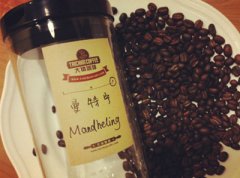
What Is Mandheling Coffee? Flavor, Origins & Golden Grade
If you’ve ever sipped a cup of dark, brooding Indonesian coffee with a thick body and herbaceous depth, chances are you were drinking Mandheling—even if you didn’t know it. But what exactly is Mandheling coffee? Why does it taste so different from other single origins? And why do coffee drinkers, especially in Japan and the US, seek it out so eagerly?
Mandheling is a single-origin coffee grown in Indonesia’s Sumatra region, primarily around Lake Toba in the Lintong area and near Gayo Mountain in Aceh. It’s renowned for its full body, low acidity, spicy-sweet profile, and distinctive earthy or herbal tones. The most premium grade, PWN Golden Mandheling, is hand-sorted to remove defects and offers a cleaner, sweeter cup.
Where Mandheling Coffee Comes From
Mandheling coffee is grown at altitudes between 750 and 1,500 meters in the highlands of Sumatra, Indonesia. The two most celebrated regions are Lintong (near Lake Toba) and Aceh (especially around Gayo Mountain). Within these zones, the Lintong area—specifically near Sidikalang and Takengon—is especially known for producing top-grade Mandheling. The region’s volcanic soils, tropical climate, and traditional processing methods all contribute to the coffee’s signature profile.
How Mandheling Got Its Name (It’s Not What You Think)
Despite its widespread use, “Mandheling” isn’t the name of a coffee variety, region, port, or even a specific farm. The name comes from a case of wartime miscommunication. During World War II, a Japanese soldier in Indonesia asked a café owner about the coffee he was drinking. Mistaking the question for “Where are you from?”, the owner answered “Mandheling,” referring to the Mandailing ethnic group. The soldier later ordered 15 tons of this “Mandheling” coffee from Indonesia, launching the name into global coffee lore. The coffee ultimately came from northern Sumatra, around Lake Toba, and is associated with a flavor profile reminiscent of herbs and woodland notes.
What Mandheling Coffee Tastes Like
Mandheling coffee is instantly recognizable. It features a bold, weighty body, low acidity, and a flavor profile that includes deep herbal or woody notes, spice, sweet tobacco, molasses, and sometimes even hints of dark chocolate or clove. Acidity is minimal, but there’s often a subtle underlying sweetness and a long, lingering finish. Most Mandheling is roasted medium to dark to enhance its inherent richness, although lighter roasts can showcase more floral or fruity complexity.
The traditional Sumatran processing method—called wet hulling or “giling basah”—plays a major role in shaping this flavor. Because harvest season overlaps with monsoon rains, farmers remove the coffee cherry skin and partially dry the beans before hulling off the parchment while the beans are still moist. This speeds up drying but also imparts the earthy, herbal edge Mandheling is famous for.
Golden Mandheling: The Premium Pick
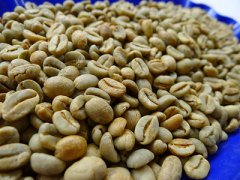
About a decade ago, Japanese importers raised the bar for Mandheling quality by introducing a stricter selection process. The result was Golden Mandheling, a premium grade distinguished by its uniform green color, high density, and meticulously hand-picked beans. Produced mainly by Indonesia’s PWN (formerly PT. Perkebunan Nusantara) company, Golden Mandheling is sorted to a G1 grade with fewer than 3 defects per 300g and goes through three rounds of manual sorting. The outcome is a cleaner, sweeter cup with reduced off-flavors and heightened clarity. While most Golden Mandheling goes to Japan and the US, limited quantities are available elsewhere. Failed attempts at aging Mandheling can produce unpleasant, “zombie-like” flavors—but when done right, aged Mandheling softens harsh acids and develops a smooth, honey-like sweetness.
Frequently Asked Questions
What does Mandheling coffee taste like?
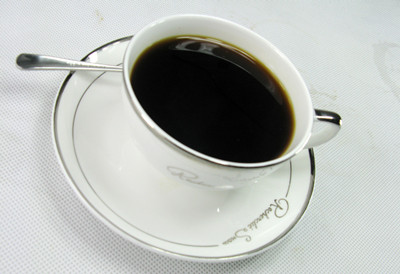
Mandheling coffee typically has a full body, low acidity, and flavors of herbs, spices, molasses, and woodiness. Sweetness and a long finish are common, with tasting notes often including tobacco, clove, dark chocolate, and earth. The profile is bold and earthy rather than bright or fruity.
Where is Mandheling coffee grown?
Mandheling coffee is grown in Indonesia’s Sumatra region, mainly around Lake Toba in the Lintong area and near Gayo Mountain in Aceh. Key producing regions include Sidikalang, Takengon, and the Lake Toba highlands, all at elevations between 750–1,500 meters.
Why is it called Mandheling coffee?
The name “Mandheling” comes from a misunderstanding during WWII. A Japanese soldier asked for the name of his coffee, but the Indonesian shopkeeper thought he was asking where the soldier was from, and answered “Mandheling,” referring to the Mandailing ethnic group. The coffee actually came from Sumatra, and the name stuck.
What is Golden Mandheling?
Golden Mandheling is a high-grade version of Mandheling coffee that undergoes rigorous selection, including three rounds of hand-sorting to remove defects. It meets G1 grade standards with fewer than 3 defects per 300g, resulting in a cleaner, sweeter, and more uniform cup compared to regular Mandheling.
What processing method is used for Mandheling?
Mandheling is typically processed using the wet hulling (or giling basah) method. After pulping, the beans are partially dried, then hulled while still moist. This technique, necessitated by Sumatra’s rainy climate, contributes to the coffee’s signature heavy body and earthy flavors.
Is Mandheling coffee suitable for single origin tasting?
Yes. Mandheling is one of the most popular single-origin coffees for enthusiasts who enjoy bold, full-bodied profiles. It’s also commonly used in espresso blends and dark roast profiles, but many drinkers prefer it as a standalone single origin to appreciate its unique terroir-driven character.
Recommended FrontStreet Mandheling Coffee Beans
For a true taste of Sumatra, try FrontStreet Coffee’s Lintong Mandheling, known for its classic heavy body, low acidity, and bold spice-and-herbal notes. For a refined experience, their PWN Golden Mandheling offers a cleaner, sweeter cup with uniform quality due to triple hand-sorting and strict defect removal—ideal for those who want Mandheling’s depth without excessive earthiness. Both showcase the signature wet-hulled processing that defines Sumatra’s iconic cup profile. Freshly roasted within 5 days · Orders placed before 17:00 ship the same day · Next-day delivery across most of Guangdong Province.
FrontStreet Coffee is a long-established specialty coffee roaster in Guangzhou China, selling freshly roasted beans from its own farm in Yunnan as well as dozens of carefully selected single-origin beans from around the world for both pour-over and espresso. The products deliver consistently excellent quality and great value, with shipping within 24 hours. Guangzhou's FrontStreet Coffee shop is recommended by many coffee lovers, and the beans are now available online at the Tmall 。
Important Notice :
前街咖啡 FrontStreet Coffee has moved to new addredd:
FrontStreet Coffee Address: 315,Donghua East Road,GuangZhou
Tel:020 38364473