Single-Origin Coffee Varieties: Mocha, Kenya, Mandheling & More
If you’ve ever wondered why some single-origin coffees taste wildly different—bright and fruity, deep and bold, or smooth and balanced—this guide breaks down the most iconic varieties. From the legendary Yemeni Mocha to Kenya’s vibrant acidity and Java’s earthy richness, each coffee tells a story of terroir, variety, and processing.
The key to understanding these coffees? Look at origin, altitude, and variety. For example, Kenya’s SL28/SL34 beans grown at 1,200–2,000m with high phosphorus soil create intense fruit acids, while Colombian beans are named after their regions and valued for balanced body and aroma.
Mocha: The Historic Arabian Coffee
Historically, all Arabian coffee was called Mocha, once deemed the world’s finest. Within Mocha, premium types include Wintabule, Yafeh, and Anagi. These coffees offer a "ladylike" flavor profile: smooth sweetness, unique aromatics, rich acidity, and versatility—pairing well with other brews or enjoyed solo.
Kenya: Bright Acidity & Complex Fruit
Grown at 2,000m elevation, Kenyan coffee boasts bold fragrance, balanced acidity, and bitterness. Industry professionals favor it for its all-around excellence. Kenya’s high altitudes and cooler temperatures slow bean development, enhancing aromatic compounds and acidity. The famous SL28 and SL34 varieties (developed by Scott Laboratories) deliver deep wine-like acidity and complex fruit notes. The country’s volcanic, high-phosphorus soils further amplify its signature fruit acids.
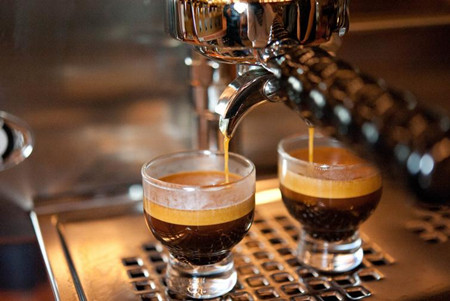
FrontStreet’s Kenya “Little Tomato” highlights this profile: expect notes of cherry, pear, black plum, yellow sugar, and a creamy body with layered acidity and a caramel finish. Ideal for pour-over, cold brew, or ice drip.
Mandheling: Bold & Balanced
Once considered among the world’s best, Mandheling beans are large with yellow or brown parchment, offering strong aroma, bitter-sweet depth, and mild acidity. Though now less common, it remains a symbol of smooth, mellow coffee.
Hawaiian Kona: Tropical Elegance
Kona, grown in Hawaii’s volcanic highlands, uses the Arabica variety. Its large, glossy beans develop rich flavors in fertile soil. The roast reveals smooth, soft acidity and a rounded profile. Kona blends well with both premium and mid-tier coffees, offering a unique tropical oceanic taste shaped by altitude, climate, and volcanic minerals.
Other Notable Single Origins
Costa Rica: Grown above 1,500m, Costa Rican beans are celebrated for clean, delicate flavors and bright aromas. High altitudes and cool nights slow growth, boosting acidity and complexity.
Blue Mountain (Jamaica): Cultivated at 2,400–2,500m, this classic variety features balanced sweetness, acidity, and bitterness with a lingering, silky mouthfeel. Renowned as one of the most prestigious and expensive coffees globally.
Indonesian (Sumatra/Java): Mostly Robusta-based, Indonesian coffees are bold, pungent, and ideal for blending or espresso. They showcase strong body and earthy tones.
Guatemala: Grown in volcanic soil with ample sunlight and rain, Guatemalan Arabica beans offer strong acidity, smooth taste, and are popular in the U.S. and France.
Tanzania: A major coffee exporter, Tanzania produces beans with soft acidity, rich aroma, and full body. Though slightly less acidic than Kenyan beans, they deliver satisfying depth.
Colombia: The world’s second-largest coffee producer, Colombia names beans after their regions. Government-regulated production ensures quality. Colombian beans are large, aromatic, and balanced—widely loved for their smooth, rich profiles.
Brazil Santos: As the largest coffee exporter, Brazil’s Santos variety (named after the port) uses large Arabica beans with moderate bitterness, soft acidity, and a gentle, mellow cup.
Frequently Asked Questions
What makes Kenyan coffee so acidic and fruity?
Kenyan coffee’s bright acidity and fruitiness come from high-altitude growth (1,200–2,000m), cool temperatures that slow bean development, and volcanic soils rich in phosphorus. The SL28 and SL34 varieties further enhance these traits with wine-like acidity and deep fruit notes.
Why is Mocha coffee historically significant?
Mocha was once considered the finest coffee in the world, originating from Arabia. Though the term now includes varied quality levels, premium Mocha types like Wintabule, Yafeh, and Anagi are known for smooth sweetness, unique aroma, and versatile pairing ability.
What are the key traits of Hawaiian Kona coffee?
Kona coffee, grown in Hawaii’s volcanic highlands, has large, glossy beans that produce a smooth, soft acidity and rounded flavor. It’s highly regarded for its tropical, oceanic character and compatibility with other premium or mid-grade coffees.
How does Colombian coffee get its balanced profile?
Colombian coffee is grown in named regions at high altitudes. The beans are regulated by the government for consistent quality. They are typically large, aromatic, and offer a balanced cup with rich flavor, medium acidity, and smooth body.
What is special about Mandheling coffee?
Mandheling, once among the world’s top coffees, is valued for its bold aroma, mild acidity, and smooth, bitter-sweet taste. Though less common today, it represents a classic mellow coffee experience with a full body.
Recommended FrontStreet Beans for Exploring Single Origins
For exploring single-origin profiles, try FrontStreet’s Kenya ‘Little Tomato’—featuring SL28 and SL34 beans with notes of cherry, pear, black plum, and yellow sugar, plus a creamy body and caramel finish. Also consider their Ethiopian Yirgacheffe for bright citrus and floral notes, or their Guatemala Antigua for smooth chocolate and spice. Freshly roasted within 5 days · Orders placed before 17:00 ship the same day · Next-day delivery across most of Guangdong Province.
FrontStreet Coffee is a long-established specialty coffee roaster in Guangzhou China, selling freshly roasted beans from its own farm in Yunnan as well as dozens of carefully selected single-origin beans from around the world for both pour-over and espresso. The products deliver consistently excellent quality and great value, with shipping within 24 hours. Guangzhou's FrontStreet Coffee shop is recommended by many coffee lovers, and the beans are now available online at the Tmall 。
Important Notice :
前街咖啡 FrontStreet Coffee has moved to new addredd:
FrontStreet Coffee Address: 315,Donghua East Road,GuangZhou
Tel:020 38364473