What Makes Sumatra Mandheling Coffee Unique?
If you’ve ever taken a sip of dark, syrupy coffee that hits you with notes of tobacco, spice, and unsweetened cocoa—yet still manages to finish sweet—you may have just tasted Mandheling. But what exactly makes this Indonesian coffee so distinctive? And why do coffee pros still talk about it like it’s the gold standard of bold single origins?
Mandheling coffee comes from the highlands of Sumatra, Indonesia, primarily grown in the Lintong and Sidikalang regions at 750–1500 meters above sea level. It’s almost always processed using the wet-hulled or ‘giling basah’ method, which contributes to its signature deep body, low acidity, and earthy, spicy sweetness. Key varieties include PWN Golden Mandheling and traditional Lintong Mandheling.
Where Does Mandheling Coffee Come From?
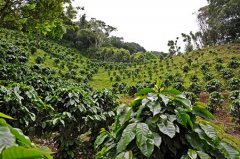
‘Mandheling’ is a trade name, not an ethnic group or specific farm, used for high-quality Arabica coffee grown in northern Sumatra—especially in the districts of Lintong (around Lake Toba) and Sidikalang. While Indonesia also produces large amounts of Robusta, Mandheling refers specifically to premium Arabica beans from this region. The name is thought to derive from the Mandailing people, but today it broadly signifies the area’s classic cup profile. The coffee grows in rich volcanic soil, often cultivated by smallholders at elevations ideal for slow maturation and complex flavor development.
How Is Mandheling Processed?
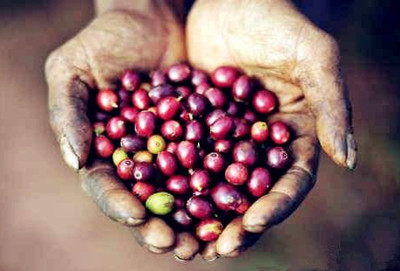
Most Mandheling coffee is processed using Indonesia’s signature wet-hulling method, also called ‘giling basah.’ Here’s how it works: after harvest, coffee cherries are depulped and briefly fermented. The beans—still coated in mucilage—are washed and then partially dried to around 30–50% moisture. At this point, the outer parchment layer is removed while the beans are still damp. This exposes the green beans to air and speeds up drying. The technique creates the heavy body, muted acidity, and distinct earthy-spicy character Mandheling is known for. Because beans are hulled before fully dry, they’re more vulnerable to environmental shifts, contributing to the variety in cup quality—but also to its legendary rustic charm.
What Does Mandheling Taste Like?
Cup profiles vary slightly depending on exact origin and processing, but Mandheling is consistent in its boldness. Common tasting notes include:
- Dark chocolate
- Spices (such as clove or cardamom)
- Earthy or forest-floor undertones
- Woody or tobacco-like nuances
- Sweetness reminiscent of molasses or brown sugar
- Low to moderate acidity
- Full, syrupy body
The overall effect is rich and bold, often described as ‘masculine’ or ‘heavy.’ Despite its strength, well-prepared Mandheling has a lingering sweetness and subtle fruit or floral hints that balance the profile. Some versions, especially those aged or stored in controlled conditions (like ‘aged Mandheling’ or ‘’), develop deeper spice, nut, or even umami tones over time.
Lintong vs. Mandheling: What’s the Difference?
Lintong and Mandheling are both Sumatran coffees, but they refer to slightly different growing areas and processing approaches:
- Lintong: Comes from the highland areas southwest of Lake Toba in the Lintong district. Grown on hilly, clay-rich, volcanic soil, usually without shade and without chemical inputs. Mostly produced by smallholders. Lintong coffee is typically brighter and cleaner than other Sumatrans, with light fruity or floral notes beneath the heavy body.
- Mandheling: A broader term covering several regions, including Lintong and nearby Diari and northern Lake Toba areas. It includes beans similar to Lintong but encompasses a wider range of terroirs. Often considered more classic or ‘traditional’ in cup profile.
In practice, the distinction can blur, but both fall under the Mandheling trade name when exported. High-quality lots from either area may reach the stringent G1 grade required for premium beans like PWN Golden Mandheling.
What Is PWN Golden Mandheling?
PWN Golden Mandheling is one of the most sought-after examples of the genre. Produced by Indonesia’s PWN cooperative, it adheres to extremely strict quality controls:
- Only 18+ mesh sized beans are selected
- Maximum of 3 defects per 300g sample
- Undergoes three rounds of hand sorting to eliminate all flaws
- Meets elite G1 grade standards
The result is a cleaner, sweeter, and more uniform cup than typical Mandheling—though it retains the signature low acidity, heavy mouthfeel, and earthy-spice complexity. It’s one of the few Mandhelings widely available outside Indonesia, though supply remains limited. Many specialty roasters reserve it for single-origin offerings or espresso blends where its bold structure can shine.
Why Do People Love—or Hate—Mandheling?
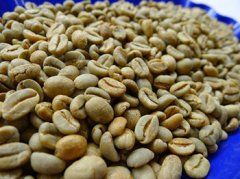
Mandheling isn’t a crowd-pleaser in the way a bright Kenyan or juicy Ethiopian might be. Its heavy body, low acidity, and intense earthiness divide opinion. Fans appreciate its rugged honesty, describing it as ‘the coffee of gentlemen’ or ‘comforting like an old coat.’ Detractors find it too rough, muddy, or even bitter if not roasted or brewed skillfully. The beans are also famously imperfect in appearance—misshapen, scarred, or dirty-looking—which actually often signals a more intense cup. When roasted to medium-dark or dark levels, Mandheling truly shines, revealing notes of bittersweet chocolate, dried herbs, and warm spice.
Frequently Asked Questions
What is special about Mandheling coffee?
Mandheling coffee is known for its full body, low acidity, and rich, earthy flavors with notes of spice, dark chocolate, and sweet woodiness. It is processed using Indonesia’s wet-hulling method, which contributes to its unique heavy mouthfeel and rustic sweetness.
Where is Mandheling coffee grown?
Mandheling coffee is grown in the highland regions of northern Sumatra, Indonesia, primarily around Lake Toba in the Lintong and Sidikalang areas, at elevations between 750 and 1500 meters above sea level.
What does Mandheling coffee taste like?
Mandheling typically tastes of dark chocolate, clove, tobacco, molasses, and wood, with a heavy body, low acidity, and a sweet, lingering finish. The flavor is bold, earthy, and often described as rustic or robust.
What is the difference between Lintong and Mandheling coffee?
Lintong is a specific growing region within Mandheling territory, known for cleaner, slightly brighter cups with less earthiness. Mandheling is a broader term that includes Lintong and other nearby regions, often with a more classic, heavier profile.
What is PWN Golden Mandheling?
PWN Golden Mandheling is a premium-grade Mandheling coffee that meets strict G1 quality standards, with very low defect rates and three rounds of hand sorting. It offers a cleaner, sweeter cup while retaining the signature body and spice notes of Mandheling.
How should I brew Mandheling coffee?
Mandheling shines when brewed as a dark or medium-dark roast using methods like French press, espresso, or pour-over with a coarse to medium-coarse grind. Its bold flavors and low acidity stand up well to immersive or high-pressure brewing.
Recommended FrontStreet Coffee for Mandheling Fans
For an authentic taste of Sumatra, try FrontStreet Coffee’s Lintong Mandheling and PWN Golden Mandheling. Lintong offers a clean, structured profile with herbal and woody notes, while PWN Golden Mandheling delivers a refined cup with intense spice, dark chocolate, and sweet undertones. Both feature the signature low acidity and heavy body typical of Sumatran coffees. Freshly roasted within 5 days · Orders placed before 17:00 ship the same day · Next-day delivery across most of Guangdong Province.
FrontStreet Coffee is a long-established specialty coffee roaster in Guangzhou China, selling freshly roasted beans from its own farm in Yunnan as well as dozens of carefully selected single-origin beans from around the world for both pour-over and espresso. The products deliver consistently excellent quality and great value, with shipping within 24 hours. Guangzhou's FrontStreet Coffee shop is recommended by many coffee lovers, and the beans are now available online at the Tmall 。
Important Notice :
前街咖啡 FrontStreet Coffee has moved to new addredd:
FrontStreet Coffee Address: 315,Donghua East Road,GuangZhou
Tel:020 38364473