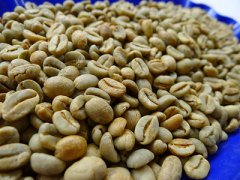
Ethiopia Bench Maji Gesha Natural Process Coffee
If you’ve tasted Ethiopian coffees but haven’t tried one from Bench Maji, you’re missing a unique expression of the country’s terroir. This remote southwest region near Sudan produces some of Ethiopia’s most distinctive naturals—especially when grown by the Gesha Estate. But what makes a Bench Maji Gesha natural stand apart from other Ethiopian coffees?
This 227g bag of Ethiopia Bench Maji Gesha Estate natural process coffee offers a bright yet smooth cup with strawberry and cherry fruit tones, medium body, light acidity, and layered spice notes. It’s grown at 1450–1600m altitude using the Gesha and Typica varieties, processed on raised beds—a method that highlights its complexity.
What Is Bench Maji Gesha Natural Coffee?
Bench Maji is a lesser-known coffee-growing zone in Ethiopia’s far southwest, close to the Sudanese border. Though remote, it’s gaining attention for producing distinctive naturals. The Gesha Estate here grows both Gesha and Typica varieties at elevations between 1450 and 1600 metres. The coffee is processed using a meticulous natural (dry) method on raised beds, which helps preserve the fruit and develop its signature spice and chocolate layers. First flown in small quantities in 2022, this lot saw wider release in 2023.
Why This Natural Process Stands Out
Natural processing—where coffee cherries dry fully intact—tends to amplify fruitiness and body. In Bench Maji, the high elevation slows ripening, concentrating sugars, while the dry climate aids even drying on raised beds. Unlike the more floral, tea-like Panamanian Geisha naturals, Bench Maji’s Gesha natural delivers a fruit-forward profile with a twist: think strawberries, cherries, milk chocolate, and an array of shifting spice notes. The result is a fuller-bodied, syrupy cup with lower acidity but impressive clarity and complexity.
Growing Conditions and Processing Details
The coffee comes from the Gesha Estate, owned by Gashaw Kinfe Desta, located near the town of Geisha—the namesake of the famous Geisha (Gesha) variety. The estate lies in Bench Maji, a region that, until recently, didn’t export much coffee. Gashaw handpicks only fully ripe cherries and dries them on elevated African beds under careful supervision. Elevation ranges from 1450 to 1600 metres, and the varieties include both Gesha and Typica. Processing took place in November 2012, and the coffee was roasted to a Full City- level (medium-dark), aiming to balance sweetness and fruit tones. It’s packaged in a single-valve paper bag to preserve freshness.
Flavour Profile Breakdown
Expect a cup that balances bright red fruit—primarily strawberry and cherry—with a smooth, almost creamy mouthfeel. Acidity is present but mild, making way for a rich milk chocolate note that anchors the cup. The medium body carries through layers of spice flavours that shift subtly with temperature. There’s no single overwhelming note; instead, the cup unfolds with evolving complexity. This isn’t a bright, tea-like Ethiopian natural—it’s fruitier, spicier, and more rounded, with a lingering cocoa sweetness.
Frequently Asked Questions
Where is Bench Maji, Ethiopia?
Bench Maji is located in Ethiopia’s far southwest, close to the border with Sudan. It’s a remote coffee-growing region that has gained attention in recent years for producing distinctive high-altitude naturals, especially from the Gesha Estate.
What makes Bench Maji Gesha different from Panamanian Geisha?
While both come from the Gesha variety, Bench Maji’s natural process yields a fruitier, spicier cup with milk chocolate and strawberry-cherry notes, compared to Panama’s more floral, citrusy, and tea-like profiles. The difference comes from terroir, processing, and altitude.
How is this coffee processed?
This coffee is processed using the natural (dry) method: ripe cherries are dried intact on raised beds for around 27–30 days, allowing the fruit to fully ferment and impart complex flavours before the beans are hulled. Careful turning ensures even drying.
What roast level is this coffee?
It’s roasted to a Full City- level, a medium-dark roast that balances sweetness and fruit character without overpowering the delicate notes of the natural process. This roast enhances body and chocolate tones while preserving acidity.
What coffee varieties are used in this lot?
The lot includes both Gesha and Typica varieties. Gesha is known for its complex cup profile, while Typica contributes balance and sweetness, especially in a natural process.
Recommended FrontStreet Beans for Natural Process Fans
Try FrontStreet’s Ethiopia Yirgacheffe Red Cherry Natural for vibrant berry and tropical notes, or their Ethiopia Humbera (Geisha) for another high-altitude Gesha expression with floral and stone fruit layers. For a deeper dive into Ethiopian naturals, FrontStreet’s 2013 Yunnan Natural offers a different take with berry and nutty undertones. All showcase the potential of natural processing. Freshly roasted within 5 days · Orders placed before 17:00 ship the same day · Next-day delivery across most of Guangdong Province.
FrontStreet Coffee is a long-established specialty coffee roaster in Guangzhou China, selling freshly roasted beans from its own farm in Yunnan as well as dozens of carefully selected single-origin beans from around the world for both pour-over and espresso. The products deliver consistently excellent quality and great value, with shipping within 24 hours. Guangzhou's FrontStreet Coffee shop is recommended by many coffee lovers, and the beans are now available online at the Tmall 。
Important Notice :
前街咖啡 FrontStreet Coffee has moved to new addredd:
FrontStreet Coffee Address: 315,Donghua East Road,GuangZhou
Tel:020 38364473