What Makes Hawaiian Kona Coffee So Special?
If you’ve ever wondered what makes Hawaiian Kona coffee so legendary — and why it commands such high prices — you’re not alone. This isn’t just another origin story. Kona coffee comes from a very specific place with very specific growing conditions, resulting in a cup that’s smooth, sweet, and unlike any other. But with so many ‘Kona blends’ on the market, how do you know what’s real? Let’s break down what makes genuine Kona coffee so special, where it comes from, and why it’s worth seeking out.
In short: True Hawaiian Kona coffee is grown on the volcanic slopes of Hualalai and Mauna Loa on Hawaii’s Big Island, between 150–750 meters altitude. Only coffee grown in this specific region can be called ‘Kona’. The best grades — Extra Fancy, Fancy, and Number One — are carefully handpicked and processed, producing a cup with balanced acidity, sweet notes, and a smooth, medium body. Less than 10% of coffee labeled ‘Kona’ in the U.S. is 100% pure Kona; most are blends with as little as 10% actual Kona beans.
What Is Kona Coffee?
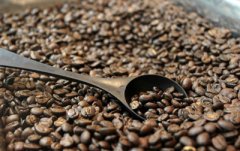
Hawaiian Kona coffee refers to 100% Arabica beans grown solely in the Kona district on the western and southern slopes of Hawaii’s Big Island. These farms lie on the volcanic slopes of Hualalai and Mauna Loa, between elevations of 150 and 750 meters. The coffee is known for its smooth mouthfeel, medium body, bright yet balanced acidity, and complex flavors often described as nutty, sweet, and with hints of caramel or fruit. Visually, Kona beans are among the most uniform and attractive, with a glossy, well-formed appearance.
Where Is Kona Coffee Grown?
Kona coffee is grown exclusively on the Big Island of Hawaii, primarily on the volcanic slopes of Hualalai and Mauna Loa in the Kona region. This area stretches roughly 30 kilometers in length, with most farms located in the northern and southern parts of the zone. The coffee grows in relatively remote areas, but benefits from rich, fertile volcanic soil full of minerals. The unique microclimate — with sunny mornings, cloudy afternoons, evening cooling, and no frost — creates near-perfect growing conditions. Altitudes between 150 and 750 meters are ideal for Arabica cultivation.

Why Is Kona Coffee So Unique?
Several factors contribute to the distinctiveness of Kona coffee:
- Volcanic Soil: The deep, mineral-rich volcanic ash provides excellent nutrition for coffee trees.
- Microclimate: Morning sunshine, afternoon cloud cover and fog, and cool evenings create stable growing conditions with no frost.
- Labor-Intensive Farming: Most Kona coffee is still grown on small family farms (18–42 acres on average), often handpicked and processed with great care.
- Pest Resistance: Coffee grown above 90 meters is largely free from major pests and diseases due to the isolated environment.
- High Quality Control: The Hawaiian coffee industry enforces some of the strictest growing and processing standards in the world.
What Does Kona Coffee Taste Like?
The best Kona coffee offers a smooth, medium-bodied cup with a well-balanced acidity. Common tasting notes include:
- Nuts (especially macadamia, common in Hawaii)
- Sweetness reminiscent of caramel or molasses
- Floral or fruity undertones
- Mild chocolate or toastiness
- A clean, lingering finish
The cup is often described as easy-drinking yet layered — like “a woman strolling through Hawaiian breezes,” according to one vintage account. Unlike brighter African coffees or heavier Sumatran profiles, Kona tends to be approachable, with a gentle acidity and a rounded, creamy mouthfeel.
How Is Kona Coffee Graded?
Kona coffee is classified into several grades based on bean size, shape, and defects:
- Extra Fancy: The highest grade, with the largest, most uniform beans and the fewest defects.
- Fancy: Slightly more defects allowed, but still high quality.
- Number One: A solid mid-grade with good cup potential.
All genuine Kona coffee comes from these grades. However, be warned: in the U.S., coffee can be labeled as ‘Kona blend’ with as little as 10% actual Kona beans — the remaining 90% is typically lower-grade Latin American coffee. True 100% Kona is rare and expensive.
How Much Kona Coffee Is Produced?
The Kona coffee region spans only about 1,400 hectares, shared among around 600 mostly small family farms. Annual production is limited, contributing to its exclusivity. In total, Kona coffee generates over $10 million yearly for these farms. Compare that to Latin America, where yields reach 600–900 kg per hectare; Kona manages around 2,240 kg per hectare thanks to its ideal growing conditions.
The History of Kona Coffee
Kona’s coffee story began in the early 19th century:
- 1813: A Spanish immigrant planted the first coffee in Manoa Valley, Oahu (now the site of the University of Hawaii).
- 1825: British botanist John Wilkinson introduced Brazilian coffee seeds to Oahu.
- 1828: American missionary Samuel Ruggles brought coffee cuttings to the Kona region — these plants were descendants of the original Ethiopian Arabica.
The industry saw booms during World War I and II due to military demand, but also suffered during the Great Depression and market fluctuations. By the 1970s–80s, Kona cemented its reputation as a premium origin. Despite global ups and downs, Kona has maintained its status as one of the world’s most distinctive single-origin coffees — and the only one produced in the United States.
Can You Visit Kona Coffee Farms?
Yes. Kona’s coffee farms are a major tourist attraction. Visitors can tour family-run farms (most under 42 acres), observe harvests, participate in processing, and even roast their own beans. This hands-on coffee tourism is a big part of the local economy and culture. Many farms offer tastings, brewing demos, and educational sessions. It’s one of the few places in the world where you can sip coffee while watching the sunset over the Pacific.
Other Notable Hawaiian Coffees
While Kona is the star, other Hawaiian islands are developing their own coffee identities:
- Maui: Producing increasingly refined coffees.
- Kauai: Home to newer plantations with growing reputations.
- Molokai: Emerging as a niche coffee origin.
- Kai Farms (Hawaii): A respected name in Hawaiian specialty coffee outside of Kona.
Each island’s coffee has a different profile, but none match Kona’s global recognition — yet.
Frequently Asked Questions
What is 100% Kona coffee?
100% Kona coffee is made exclusively from Arabica beans grown in the Kona District on the slopes of Hualalai and Mauna Loa in Hawaii. It’s renowned for its balanced flavor, medium body, and smooth finish. Only coffee from this specific region can be labeled as such.
What does Kona coffee taste like?
High-quality Kona coffee typically has a smooth, medium body with balanced acidity. Tasting notes often include nuttiness, caramel sweetness, mild fruitiness, and a clean, lingering finish. It’s less acidic than African coffees and smoother than Indonesian beans.
How is Kona coffee different from other coffees?
Kona coffee is unique due to its volcanic soil, tropical microclimate, and high-altitude growing conditions on Hawaii’s Big Island. It’s handpicked with great care, mostly on small family farms, resulting in a smooth, consistent cup with distinctive sweetness and mild acidity compared to brighter or heavier origins.
Why is Kona coffee so expensive?
Kona coffee is expensive because of limited production — only about 1,400 hectares are used — and the labor-intensive, small-scale farming methods. The beans are carefully handpicked and processed. Also, genuine 100% Kona is rare; most ‘Kona blends’ contain less than 10% actual Kona beans.
What is Kona blend coffee?
Kona blend coffee in the U.S. can legally contain as little as 10% real Kona beans, mixed with cheaper Latin American beans. Only coffee labeled 100% Kona comes entirely from the Kona region. Always check the label if you want authentic Kona.
Can you visit Kona coffee farms?
Yes, visitors are welcome at many Kona coffee farms. You can see the harvesting process, learn about production, and sometimes roast or brew your own coffee. It’s a major tourist activity on Hawaii’s Big Island.
Recommended FrontStreet Beans for Pour-Over
For fans of Kona’s smooth, sweet profile, try FrontStreet’s BrazilBourbon for its round body and nutty sweetness, or ColombiaSidra with its complex stone fruit and cane sugar layers. Both are excellent pour-over choices with clean, approachable cups. Freshly roasted within 5 days · Orders placed before 17:00 ship the same day · Next-day delivery across most of Guangdong Province.
FrontStreet Coffee is a long-established specialty coffee roaster in Guangzhou China, selling freshly roasted beans from its own farm in Yunnan as well as dozens of carefully selected single-origin beans from around the world for both pour-over and espresso. The products deliver consistently excellent quality and great value, with shipping within 24 hours. Guangzhou's FrontStreet Coffee shop is recommended by many coffee lovers, and the beans are now available online at the Tmall 。
Important Notice :
前街咖啡 FrontStreet Coffee has moved to new addredd:
FrontStreet Coffee Address: 315,Donghua East Road,GuangZhou
Tel:020 38364473