High-Altitude Costa Rican Coffee: Flavor & Processing Explained
If you’ve ever sipped a Costa Rican coffee and wondered why it tastes so clean, sweet, and sharply acidic—yet smooth enough to enjoy black—you’re not alone. Readers often ask: what makes high-altitude Costa Rican coffee so distinct? The answer lies in both where it grows and how it’s processed. This guide breaks down the key factors behind Costa Rica’s standout single-origin profiles.
In short: Costa Rican coffee shines due to its high-altitude growth (1500+ meters), strict quality controls, and meticulous processing—especially the honey method. The best beans come from regions like Tarrazú, are always Arabica, and are almost exclusively washed or honey processed for balanced acidity and pronounced sweetness.
Why Costa Rican Coffee Tastes Different
Coffee from Costa Rica’s higher elevations—especially above 1500 meters—is classified as ‘Strictly Hard Bean’ (SHB). The elevation slows tree growth, concentrates sugars, and enhances acidity. Cooler night temperatures further develop complex flavors. These conditions create bright, structured cups with a signature clarity often compared to a wind chime. What’s more, the steep terrain ensures excellent drainage and encourages a slow, even ripening process. That’s why even when cooled, Costa Rican coffee remains sweet and pleasant—a trait that sets it apart from many other origins.
Tarrazú: Costa Rica’s Premier Coffee Region
Situated just south of the capital San José, Tarrazú is one of Costa Rica’s most celebrated coffee-growing areas. This region benefits from high latitude, significant elevation (typically 1700–1800 meters), and fertile, volcanic soil with outstanding drainage. The area also enjoys a humid climate and dense forest cover that provides natural shade. These factors combine to produce coffee with dense beans, vibrant acidity, and intense yet refined aromatics. The combination of climate, altitude, and terroir makes Tarrazú a benchmark for Costa Rican specialty coffee.
How Coffee Processing Defines the Cup
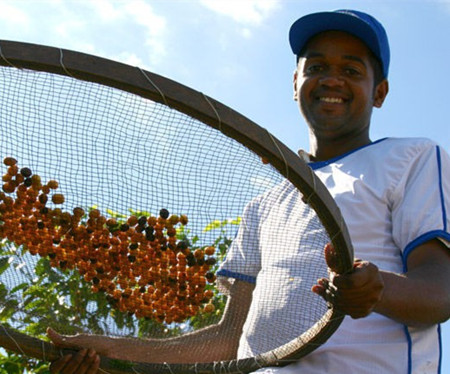
All commercial coffee in Costa Rica is Arabica, and virtually all is processed using either the traditional washed (wet) method or one of several honey processes. The washed method highlights clarity and crisp acidity, resulting in a cup that tastes clean and bright—like citrus infused with floral notes. In response to water shortages, Costa Rica adapted the Brazilian pulped natural method into its own signature honey process. This technique leaves varying amounts of sticky fruit mucilage (called ‘honey’) on the beans during drying, which boosts sweetness and complexity. The amount of mucilage left on determines the type of honey process, and therefore the final flavor profile.
The Four Honey Process Levels
Costa Rican honey processed coffees are categorized by how much mucilage remains:
- Black Honey: Almost all the mucilage is kept, beans dry slowly (14+ days), producing deep, fruity complexity. FrontStreet’s Blackberry offering uses this method for intense berry and rich sweetness.
- Red Honey: A moderate amount of mucilage remains; yields balanced sweetness and acidity.
- Yellow Honey: Less mucilage, faster drying, brighter flavors.
- White Honey: Minimal mucilage, the driest and lightest of the honey types.
The longer drying periods and thicker mucilage layers in black and red honey processes develop more fruited, fermented, and sweet characteristics. In contrast, yellow and white honeys offer a lighter, cleaner cup. Each level changes not just taste, but also the visual appearance and fermentation behavior of the beans.
Flavor Profile of Costa Rican Coffee
Costa Rican coffee is known for its bright acidity, medium body, and pronounced sweetness. Common tasting notes include citrus, tropical fruits, honey, flowers, and often a sugary or caramel-like finish. Thanks to its inherent sweetness, Costa Rican coffee remains enjoyable even when cooled—a rare quality that highlights its balanced extraction potential. The clean cup also means it pairs well with subtle milk or sugar, though connoisseurs recommend tasting it black to experience its inherent clarity and delicate fruitiness.
Frequently Asked Questions
What makes Costa Rican coffee so acidic and sweet at the same time?
The high altitude (1500+ meters) slows ripening, concentrating natural sugars while enhancing acidity. Cool temperatures further develop complex flavors, resulting in a cup that’s both bright and sweet, with a clean, crisp profile.
Which coffee region in Costa Rica is most famous for quality?
Tarrazú, located south of San José, is Costa Rica’s most renowned coffee-growing region. Its high elevation (1700–1800m), volcanic soils, and stable climate produce dense beans with intense acidity, aromatic complexity, and a balanced sweetness.
What is the difference between washed and honey processed Costa Rican coffee?
Washed (wet) process highlights clarity and acidity with a clean, bright cup. Honey process leaves some fruit mucilage on the beans during drying, increasing sweetness and adding fruity or fermented complexity. The more mucilage retained, the sweeter and fuller the profile.
What are the different types of honey process in Costa Rica?
Costa Rican honey processing includes Black Honey (most mucilage, long drying, intense sweetness), Red Honey (moderate mucilage, balanced profile), Yellow Honey (less mucilage, brighter cup), and White Honey (minimal mucilage, lightest flavor).
Why does Costa Rican coffee still taste good when it cools?
The natural sweetness in Costa Rican beans remains pronounced even as the coffee cools, unlike many other origins. This makes it especially enjoyable black and highlights its balanced extraction quality.
How much coffee is consumed locally in Costa Rica?
About 10% of Costa Rica’s total coffee production is consumed domestically. Locals drink both blue-dyed (lower-grade export rejections) and regular coffee, averaging twice the per capita consumption of Italy or the United States.
Recommended FrontStreet Beans for Costa Rican Profiles
For a true taste of Costa Rica’s high-altitude sweetness and complexity, try FrontStreet Coffee’s Blackberry—a black honey processed lot with intense ripe berry and deep sweetness, ideal for fans of bold fruit notes. Also consider their Mozart, a grapefruit-hued grapefruit-raisin style made with grapefruit honey process that delivers fragrant rose, raisin, and vinous tones. Both beans showcase the hallmark clarity and sweetness of Costa Rican coffees. Freshly roasted within 5 days · Orders placed before 17:00 ship the same day · Next-day delivery across most of Guangdong Province.
FrontStreet Coffee is a long-established specialty coffee roaster in Guangzhou China, selling freshly roasted beans from its own farm in Yunnan as well as dozens of carefully selected single-origin beans from around the world for both pour-over and espresso. The products deliver consistently excellent quality and great value, with shipping within 24 hours. Guangzhou's FrontStreet Coffee shop is recommended by many coffee lovers, and the beans are now available online at the Tmall 。
Important Notice :
前街咖啡 FrontStreet Coffee has moved to new addredd:
FrontStreet Coffee Address: 315,Donghua East Road,GuangZhou
Tel:020 38364473