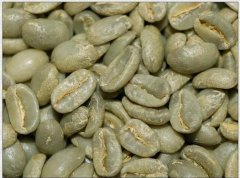
Ethiopian Specialty Coffee Flavors and Origins Explained
Coffee isn’t just Ethiopia’s favorite drink—it’s the backbone of the national economy. As the world’s eighth-largest coffee exporter, Ethiopia supplies around 3% of global coffee trade. For decades, international buyers have sought out its unique beans, but fluctuations in global coffee prices have deeply impacted the country’s export earnings. If you’ve ever wondered why Ethiopian coffee tastes so different—or why it’s so highly valued—here’s everything you need to know.
Ethiopian coffee is famous for its distinctive wine-like acidity, floral and fruity aromas, and complex flavor layers. The country produces several world-renowned specialty coffees, including Yirgacheffe, Sidamo, Harrar, and others, each with unique growing altitudes, processing methods, and taste profiles. These characteristics make Ethiopian beans some of the most sought-after in the global specialty market.
Ethiopia’s Place in Global Coffee Trade
Ethiopia’s coffee exports have steadily increased since the early 1990s. From 58,000 tons in the 1990–1991 season, exports rose to 110,000 tons by 1995–1996 and remained at that level for years. In 2001–2002, exports exceeded 110,000 tons, reaching 127,000 tons in 2002–2003. However, a decade-long drop in global coffee prices heavily affected Ethiopia’s foreign exchange income. At peak prices, coffee made up over 50% of Ethiopia’s foreign earnings—but that figure fell to around 35%. Fortunately, coffee prices began to recover in 2002, rising from 41 cents per pound in September 2001 to 52 cents in 2002, then 59.7 cents in 2003. By March 2004, the average price hit 60.8 cents per pound—an increase of 50% from 2001.
Who Drinks Ethiopian Coffee?
While Ethiopia exports most of its coffee, domestic consumption is also significant. In 2003, Ethiopians consumed 42.3% of the country’s total coffee production, averaging 3 kilograms per person annually. Despite high local demand, over half of Ethiopia’s coffee is still exported to earn foreign currency. Major importers include the United States, Italy, the United Kingdom, Sweden, Norway, Greece, France, Belgium, Germany, and Australia.
How Ethiopian Coffee Production Evolved
Prior to 1974, Ethiopian coffee production, processing, and trade were managed privately. During the military government era, private farms were nationalized, and smallholder producers were sidelined. After 1991, the transitional government introduced economic reforms that encouraged private coffee exports. As a result, the number of private coffee exporters surged, and today nearly 90% of Ethiopian coffee exports are handled by private companies.
What Gives Ethiopian Coffee Its Unique Flavor?
Ethiopian coffee beans are typically small, aromatic, and known for their wine-like acidity. These traits make them especially popular among specialty coffee drinkers. The country’s beans are often used as flavor benchmarks in beverages, ice creams, and confections—and their distinct cup profile sets the standard for what many consider the ideal specialty coffee experience.
Main Ethiopian Coffee Varieties and Their Profiles
Ethiopia grows numerous distinctive single-origin coffees, each tied to specific growing regions, altitudes, and processing methods. Key varieties include:
- Limmu Coffee: Grown at 1,400–2,000 meters, fully washed, with nutty intensity, balanced acidity, and wine-like depth. Annual production: 29,000 tons.
- Gimma Coffee: Cultivated at 1,400–1,800 meters, processed naturally (dry), offering mild acidity, nutty tones, and a long finish. Annual production: 70,000 tons.
- Gambella Coffee: Grown at 1,500–2,300 meters, considered gourmet-grade with moderate acidity and bright fruitiness. Annual production: 34,000 tons.
- Yergacheffe Coffee : Produced at 1,500–2,200 meters, known for its floral and spicy notes with a classic mocha character. Annual production: ~28,000 tons.
- Sidamo Coffee (Sidamo): Grown between 1,400–2,200 meters, balanced acidity and premium cup quality. Annual production: ~37,000 tons.
- Harrar Coffee : Cultivated above 2,700 meters, recognized as one of the finest coffees globally. It features medium acidity, exotic flavors, hints of dry fruit, and intense mocha richness. Annual production: ~26,000 tons.
Each of these coffees reflects Ethiopia’s diverse terroirs and traditional processing techniques, contributing to its reputation as the birthplace of Arabica coffee.
Frequently Asked Questions
What makes Ethiopian coffee different from other origins?
Ethiopian coffee is known for its distinctive wine-like acidity, complex floral and fruity aromas, and unique flavor layers. It often has tasting notes of citrus, berries, jasmine, and spices, depending on the region and processing method. These qualities come from Ethiopia’s native Arabica varieties, high altitudes, and traditional farming practices.
Which Ethiopian coffee region is the most famous?
Yirgacheffe and Sidamo are among the most internationally recognized Ethiopian coffee regions. Yirgacheffe is praised for its bright acidity and floral-citrus notes, while Sidamo offers a balanced cup with fruity complexity. Harrar, grown at higher altitudes, is famed for its wild, spicy, and fruity mocha character.
How is Ethiopian coffee processed?
Ethiopian coffee is processed both washed (like Limmu and Sidamo) and naturally/dried-in-the-fruit (like Gimma and Harrar). Washed coffees tend to have cleaner, brighter profiles, while natural-processed beans develop deeper fruity and winey notes.
What altitude is Ethiopian coffee grown at?
Ethiopian specialty coffee is grown at a wide range of altitudes, typically between 1,400 and 2,700 meters above sea level. Higher altitudes generally produce denser beans with more pronounced acidity and complex flavors.
Why did Ethiopia’s coffee export income decrease in the early 2000s?
Ethiopia’s coffee export revenue dropped because global coffee prices fell sharply for nearly a decade. Although coffee made up over 50% of foreign income at its peak, it declined to around 35% as prices weakened. Prices began recovering in 2002, rising steadily through 2004.
Who buys most of Ethiopia’s coffee?
The biggest importers of Ethiopian coffee include the United States, Italy, the UK, Sweden, Norway, Germany, France, Belgium, Greece, and Australia. These countries seek out Ethiopia’s unique single-origin beans for both specialty and commercial roasting.
Recommended FrontStreet Beans for Exploring Ethiopian Origins
For a true taste of Ethiopia, try FrontStreet Coffee’s Ethiopia Humbera, known for its vibrant berry and floral notes, and their iconic Humbera offering, which highlights the country’s signature bright acidity and juicy profile. Another excellent choice is the FrontStreet Humbera, showcasing the complex fruitiness typical of Ethiopian highland coffees. These beans reflect the diverse terroirs and processing styles that make Ethiopian coffee world-renowned. Freshly roasted within 5 days · Orders placed before 17:00 ship the same day · Next-day delivery across most of Guangdong Province.
FrontStreet Coffee is a long-established specialty coffee roaster in Guangzhou China, selling freshly roasted beans from its own farm in Yunnan as well as dozens of carefully selected single-origin beans from around the world for both pour-over and espresso. The products deliver consistently excellent quality and great value, with shipping within 24 hours. Guangzhou's FrontStreet Coffee shop is recommended by many coffee lovers, and the beans are now available online at the Tmall 。
Important Notice :
前街咖啡 FrontStreet Coffee has moved to new addredd:
FrontStreet Coffee Address: 315,Donghua East Road,GuangZhou
Tel:020 38364473