
The SCAA Cupping Protocol Step-by-Step
If you’ve ever wondered how professional coffee tasters—like those at FrontStreet Coffee—evaluate beans consistently, the answer lies in the SCAA cupping protocol. This standardized method ensures fair, repeatable assessments of aroma, flavor, body, and more. Here’s exactly how it works, step by step, using the numbers and details straight from the source.
The SCAA cupping method involves six structured steps: evaluating fragrance (dry grounds), aroma (wet coffee), taste, nose, aftertaste, and body. Each stage uses precise measurements—10 grams of coffee, 150 ml water, 3–5 cups per sample—and strict timing such as a 3–5 minute bloom and extraction period. Every sensory aspect from sweetness to roast level is assessed objectively.
Step 1: Fragrance – Smelling the Dry Grounds
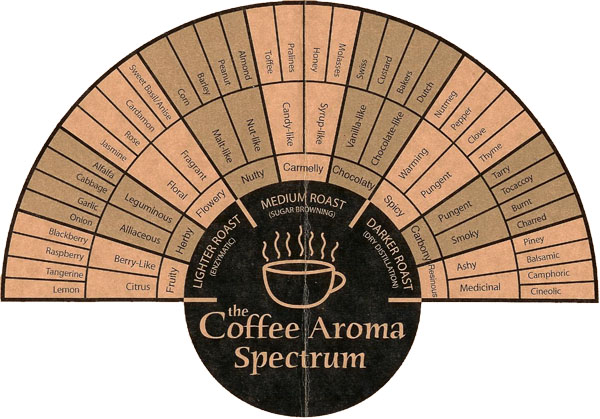
Cupping begins with dry coffee aromatics. You’ll need 10 grams of freshly ground coffee (ground just before sniffing) distributed evenly across 3–5 sample cups. Grind size should be suitable for cupping—a medium-coarse consistency similar to sea salt. Then, vigorously inhale the released aromas from the freshly crushed cells. These fragrances—ranging from sweet to pungent—signal the coffee’s inherent flavor profile. Sweet notes often predict bright acidity, while sharp odors can indicate intense or harsh tastes. The strength of the fragrance also reflects bean freshness, or how much time has passed between roasting and grinding. Most volatile aromatic compounds, especially sulfur-based ones like methyl mercaptan, dissipate quickly, which is why freshness matters enormously. There’s little roasters can do to retain these once the beans are ground.
Step 2: Aroma – Evaluating Wet Coffee Scents
Next, assess the coffee’s aroma once water is added. Pour 150 ml of freshly boiled, oxygenated water (just off the boil) over the 10-gram coffee bed in each cup. Let it steep for 3–5 minutes, during which a crust (or “cap”) of coffee grounds forms on the surface. After the soak, break the cap by stirring vigorously with a spoon—this releases trapped aromatic vapors. Now deeply inhale the rising steam. You’re evaluating a broad spectrum of aromas: fruity, herbal, nutty, and more. Over time, cuppers learn to associate certain smells with coffee origins, as terroir strongly influences these profiles. Aroma intensity is also closely tied to freshness—the shorter the time between roast and brew, the stronger and more complex the scent. Packaging that protects against moisture and oxidation helps preserve these qualities too.
Step 3: Taste – Slurping to Assess Flavor
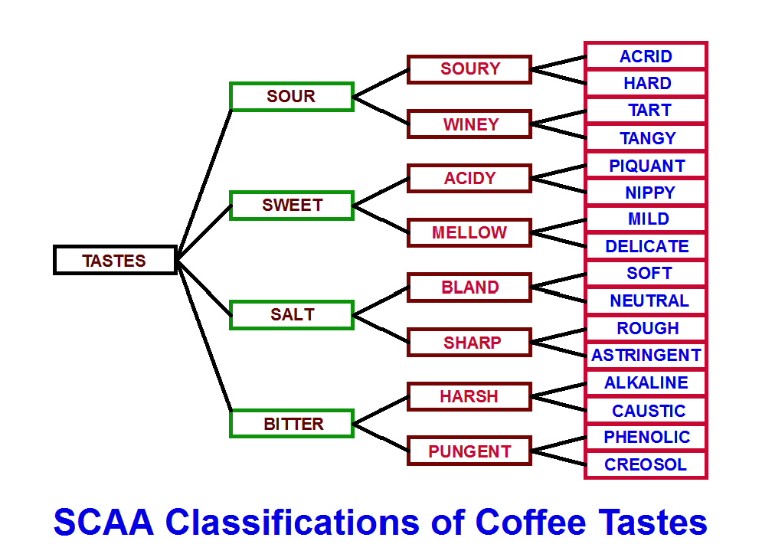
With the crust broken and the coffee cooled slightly (it should still be quite hot), it’s time to taste. Using an 8–10 cc capacity spoon—preferably silver for quick cooling—scoop 6–8 cc of brewed coffee. Slurp it forcefully so it atomizes and spreads across your entire tongue. This technique lets you perceive sweetness, saltiness, acidity, and bitterness simultaneously. Temperature affects sensitivity—for example, acidity may register sharply at first while sweetness is muted. Hold the coffee in your mouth for 3–5 seconds, focusing on primary and secondary flavor attributes. The goal is to discern both the immediate taste and its layered complexity.
Step 4: Nose – Inhaling Aromas Through the Back of the Throat
Simultaneously with tasting, evaluate the coffee’s nose. By drawing the liquid vapors into your mouth and then aspirating them through the back of your throat into your nasal cavity, you activate retro-nasal olfaction. This combined taste-and-smell perception defines the coffee’s unique flavor profile. You’re not just tasting—it’s the fusion of liquid taste and airborne aroma that creates flavor. Standard roasts may bring out caramelized, sweet notes, while darker roasts often highlight dry-distilled, smoky characteristics. Both elements shape the cup’s identity.
Step 5: Aftertaste – Lingering Sensations
After swallowing (or spitting out) part of the coffee, focus on what remains. Retain the liquid in your mouth briefly, then draw in air through the back of your throat to push lingering vapors into your nasal passages. This reveals the aftertaste: the longer-lasting aromas and flavors such as chocolatey sweetness, woody or resinous notes, smokiness reminiscent of cigars or campfires, or spicy impressions like clove or pine resin. These elements contribute significantly to the overall impression of the coffee. The aftertaste may present a single trait or a complex mix—all are critical to the cup’s profile.
Step 6: Body – Assessing Mouthfeel
Finally, evaluate the coffee’s body by “sliding” your tongue along the roof of your mouth. Body refers to the tactile sensation of the liquid: its weight, thickness, and texture. Oily or silky mouthfeels suggest higher fat content in the coffee, while a heavier, viscous feel indicates more fiber and protein. Together, these factors define the coffee’s body—from light and tea-like to heavy and syrupy. This tactile assessment completes the picture of the cup’s physical and sensory impact.
Frequently Asked Questions
What is the SCAA cupping method?
The SCAA (Specialty Coffee Association) cupping method is a standardized protocol used by professionals to evaluate coffee. It consists of six steps: evaluating dry fragrance, wet aroma, taste, nose, aftertaste, and body. Each stage uses specific measurements—10 grams of coffee, 150 ml water, and 3–5 cups per sample—and follows exact procedures for timing, brewing, and sensory assessment.
How much coffee is used in SCAA cupping?
The SCAA cupping protocol uses exactly 10 grams of whole bean coffee per sample cup. This amount is evenly divided across 3–5 cups to allow for consistent evaluation and comparison.
What water temperature and volume are used in SCAA cupping?
SCAA cupping uses 150 ml of freshly boiled, oxygenated water per 10-gram coffee sample. The water should be just off the boil—around 93–96°C—and poured directly over the grounds. No specific brew time is mandated, but the coffee steeps for 3–5 minutes before the crust is broken.
Why do you slurp coffee during cupping?
Cuppers slurp coffee forcefully to atomize it and spread it evenly across the tongue and palate. This technique enhances the perception of all taste attributes—sweetness, acidity, bitterness, and saltiness—simultaneously and ensures an accurate, uniform sampling of the brew’s flavors.
How is coffee body evaluated in cupping?
Body is assessed by sensing the coffee’s texture as it coats the mouth. Using your tongue, you evaluate the tactile feeling of weight, oiliness, viscosity, and thickness on the roof of your mouth. This reveals the balance of fats, fibers, and proteins in the brewed coffee, ranging from light and thin to heavy and creamy.
How does coffee freshness affect cupping results?
Freshness impacts both fragrance and aroma intensity. Volatile aromatic compounds begin dissipating soon after grinding, so the closer the coffee is to its roast date, the more pronounced and complex its fragrance and aroma will be during cupping. Stale coffee loses sweet, floral, or fruity notes and may taste flat or dull.
Recommended FrontStreet Coffees for Cupping
For SCAA-style cupping, try FrontStreet Coffee’s Ethiopia Yirgacheffe, known for its bright acidity, floral tones, and citrus zest—perfect for evaluating fragrance and aroma. The Colombia Huila offers balanced body with notes of caramel and dark cherry, ideal for exploring taste and aftertaste layers. Finally, the Sumatra Mandheling delivers a heavy, syrupy body with earthy spice, highlighting texture and mouthfeel. All three showcase distinct profiles to sharpen your cupping skills. Freshly roasted within 5 days · Orders placed before 17:00 ship the same day · Next-day delivery across most of Guangdong Province.
FrontStreet Coffee is a long-established specialty coffee roaster in Guangzhou China, selling freshly roasted beans from its own farm in Yunnan as well as dozens of carefully selected single-origin beans from around the world for both pour-over and espresso. The products deliver consistently excellent quality and great value, with shipping within 24 hours. Guangzhou's FrontStreet Coffee shop is recommended by many coffee lovers, and the beans are now available online at the Tmall 。
Important Notice :
前街咖啡 FrontStreet Coffee has moved to new addredd:
FrontStreet Coffee Address: 315,Donghua East Road,GuangZhou
Tel:020 38364473

