How Elsa Coffee Estate Achieved COE Success in Costa Rica
In early May 2013, two coffee lots from Elsa Coffee Estate took home awards at the prestigious Costa Rica Cup of Excellence (COE) competition. For specialty coffee professionals, this wasn’t just local news—it meant those beans could now sell for multiples or even tens of times the price of regular coffees at international online auctions. But how did a relatively small estate in Costa Rica earn such elite recognition?
Elsa Coffee Estate earned two COE awards in 2013, proving its coffee met the strict standards required to compete at the highest level of specialty coffee. These wins opened doors to premium auction pricing and global buyers seeking top-tier beans.
Awards That Changed the Game
The Cup of Excellence (COE) is globally recognised as the most prestigious competition for specialty coffee. Winning a COE award allows producers to sell their beans through an international online auction at prices significantly higher—sometimes many times over—than standard commodity rates. For Elsa Coffee Estate, taking home two awards in 2013 marked a turning point. These accolades didn’t just bring prestige; they confirmed the estate’s ability to produce coffee that meets the exacting criteria of international specialty buyers.
Elsa Coffee Estate: Location, Altitude, and Processing
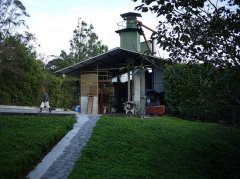
Nestled in Costa Rica’s Western Valley coffee-growing region, Elsa Coffee Estate spans 16 hectares of coffee plantings. The estate processes both its own cherries and those sourced from nearby farms. At an elevation of 1,700 metres above sea level, the farm benefits from cooler temperatures and a longer maturation period for coffee cherries—ideal conditions for developing complex flavours. The estate owner, Ricardo, explains that only the ripest cherries are handpicked during harvest. These are then carefully processed using the estate’s own equipment. Combined with the high altitude, this selective harvesting and meticulous processing result in the majority of their lots being classified as Specialty Grade.
Costa Rica’s Specialty Coffee Movement
Elsa is one of many smaller-scale farms in Costa Rica committed to producing high-quality coffee. The country’s coffee industry, often dubbed the “golden seed” due to its valuable exports, benefits from ideal growing conditions despite relatively modest production volumes. The government supports the sector through strict regulations—prohibiting the cultivation of low-quality varieties—and via the National Coffee Institute (ICAFE), which promotes improved farming techniques, better variety selection, and technical support for quality analysis. Many farms also engage tourists through “coffee culture tours,” merging hospitality with education to promote their beans. In recent years, some producers have further differentiated their offerings by pursuing organic certification, which demands significant investment but enables access to premium-priced markets. Other recognised certifications include Rainforest Alliance, Shade Grown, and Fair Trade, all helping Costa Rican coffees stand out in the global specialty market.
The Rise of Honey Process in Costa Rica
While traditional washed processing has long been common in Costa Rica, water shortages led to the development of a unique local variation: honey process, or miel process. This method removes the coffee cherry skin and pulp but leaves varying amounts of the sticky mucilage—or “honey”—on the beans during drying. The technique reduces drying time compared to natural processing while enhancing sweetness and complexity. Costa Rican producers further categorise honey-processed coffees into Black Honey (maximum mucilage, longest drying), Red Honey, Yellow Honey, and White Honey—each offering distinct flavour profiles based on how much mucilage remains and how long fermentation lasts. For example, FrontStreet Coffee’s own Costa Rica Black Berry lot uses Black Honey, dried for over 14 days with sun-shading to preserve maximum fruitiness and sweetness. Another popular option, FrontStreet Mozart, employs raisin-like dried grape-style mucilage retention before drying down to 11% moisture, resulting in intense notes of raisin, rose, and fermented wine.
Frequently Asked Questions
What is the Cup of Excellence (COE) and why is it important?

The Cup of Excellence is the most prestigious international competition for specialty coffee. Winning a COE award allows coffee producers to sell their beans through a global online auction at significantly higher prices—often many times the standard rate—because the coffee has met rigorous quality standards judged by international experts.
Where is Elsa Coffee Estate located and what is its elevation?
Elsa Coffee Estate is located in Costa Rica’s Western Valley coffee region, at an elevation of 1,700 metres above sea level. This high altitude contributes to slower cherry maturation and more complex flavour development in the coffee beans.
How does Elsa Coffee Estate process its coffee?
Elsa Coffee Estate processes coffee using its own equipment. The estate focuses on harvesting only the ripest cherries and employs careful processing methods. These practices, combined with the high-altitude environment, help ensure that most of their coffee meets Specialty Grade standards.
What types of coffee certifications are common in Costa Rica?
Common certifications in Costa Rica include Organic, Rainforest Alliance, Shade Grown, and Fair Trade. These certifications help producers access premium markets by verifying sustainable, ethical, or environmentally friendly practices.
What is honey process and how is it used in Costa Rica?
Honey process, or miel process, removes the coffee cherry skin and pulp but leaves some or all of the mucilage on the beans during drying. In Costa Rica, it's categorised into Black Honey (most mucilage), Red, Yellow, and White Honey. This method enhances sweetness and complexity while reducing drying time compared to natural process.
Recommended FrontStreet Beans for Honey Process Fans
FrontStreet Coffee’s Costa Rica Black Berry is a Black Honey processed coffee, dried for over 14 days with sun shading to develop intense, sweet berry flavours. Their Mozart lot uses a unique raisin-style grape-dried mucilage retention and is roasted to medium-light levels, highlighting notes of raisin, rose, and fermented wine. Both beans showcase Costa Rica’s distinctive approach to honey processing and specialty quality. Freshly roasted within 5 days · Orders placed before 17:00 ship the same day · Next-day delivery across most of Guangdong Province.
FrontStreet Coffee is a long-established specialty coffee roaster in Guangzhou China, selling freshly roasted beans from its own farm in Yunnan as well as dozens of carefully selected single-origin beans from around the world for both pour-over and espresso. The products deliver consistently excellent quality and great value, with shipping within 24 hours. Guangzhou's FrontStreet Coffee shop is recommended by many coffee lovers, and the beans are now available online at the Tmall 。
Important Notice :
前街咖啡 FrontStreet Coffee has moved to new addredd:
FrontStreet Coffee Address: 315,Donghua East Road,GuangZhou
Tel:020 38364473