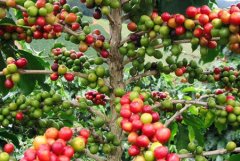
Costa Rica Black Honey Violet Coffee: Flavor & Processing
If you’ve ever tried a honey-processed coffee and found it either too sharp or overly flat, you’re not alone. Many coffee lovers struggle to get the balance right—especially with darker honey styles like Black Honey. The issue often isn’t the coffee itself, but how it was processed, dried, and roasted. Understanding what goes into a Black Honey coffee can transform your expectations—and your brewing.
The key detail? Black Honey processing retains 100% of the coffee fruit’s mucilage, then relies on precise fermentation and sun drying to build intense sweetness and complex fruit tones. That’s what gives Costa Rica’s Black Honey Violet its signature profile.
What Is Black Honey Coffee Processing?
Black Honey is the most complex and difficult of all honey processing methods. Unlike washed or natural processes, honey processing removes the coffee cherry’s skin and pulp but keeps some or all of the sticky mucilage—the fruit layer directly surrounding the bean. In Black Honey processing, 100% of that mucilage is retained.
This mucilage is then naturally fermented, and the beans are dried slowly under the sun. The extended contact with the sugary mucilage, combined with controlled fermentation and careful sun exposure, leads to a cup that’s markedly sweeter, fuller, and more layered than standard washed or even other honey-processed coffees.
Why Does Roast Level and Brewing Matter So Much?
When you try a Black Honey coffee like the Costa Rica Violet and find the acidity too sharp or the cup muted, the issue may stem from the roast level or water temperature. Light roasts on Black Honey lots can emphasize high acidity without balancing sweetness, especially if brewed with water that’s too cool.
One report noted that an initial medium-coarse grind pour-over at lower temperatures resulted in overwhelming sourness and a closed, muted aroma. Yet even then, the sweetness held up—a sign the coffee had intrinsic balance. As the cup cooled, more complexity emerged, including unexpected fruit and floral layers. This underscores how sensitive these coffees are to brew variables, and how a small adjustment can reveal hidden depth.
How the Honey Spectrum Works in Costa Rica
Costa Rica is famous for refining honey processing. The method originated from Brazil’s half-washed (pulped natural) technique, which shortened drying time and reduced fermentation defects. Costa Rican producers took that further, categorizing the style by how much mucilage is left on the bean:
- Yellow Honey: ~20–30% mucilage retained; shorter drying, more sun exposure.
- Red Honey: ~50–70% mucilage; moderate drying time, some shade.
- Golden or Orange Honey: ~70–90% mucilage; slower drying, shaded.
- Black Honey: 100% mucilage retained; longest drying time, often shaded and frequently turned.
FrontStreet Coffee’s own Black Berry coffee uses a nearly identical Black Honey method. It’s dried for at least two weeks under cover to prevent over-drying, regularly turned to avoid uneven fermentation, and results in a cup bursting with blackberry, grape, and floral notes. That level of care is typical for high-end Black Honey coffees.

Flavor Profile of Black Honey Processed Coffee
A well-executed Black Honey coffee like Costa Rica’s Violet typically shows intense sweetness with bright berry and floral notes. You might detect violet, grape, or dark fruit tones alongside a structured acidity and a syrupy mouthfeel. The extended mucilage retention feeds the Maillard reactions during roasting, enhancing complexity.
In the cup, expect a layered profile: think ripe berries, floral hints (like violet), and a rich, honey-like sweetness. The aftertaste lingers with fruit and a mild spice or cocoa edge. These qualities make Black Honey coffees especially appealing to fans of natural processed beans—but with cleaner acidity and more balance.
How to Brew Black Honey Coffee
To get the best from a Black Honey coffee, adjust your approach:
- Grind size: Medium-coarse to medium, depending on brew method.
- Water temperature: Aim for around 92–94°C to fully extract the sugars and acids.
- Bloom: Start with a generous bloom (double the coffee weight in water) for 30–45 seconds.
- Brew time: 3–4 minutes for pour-over; extend slightly if needed for full sweetness.
If your first cup tastes too sour or muted, try increasing water temperature slightly or extending brew time. Cooling the cup often reveals hidden floral and fruit notes, as acidity softens and sweetness comes forward.
Frequently Asked Questions
What is Black Honey coffee processing?
Black Honey is a coffee processing method where 100% of the coffee bean’s mucilage is left intact after pulping. The beans are then fermented naturally and dried slowly in the sun, creating a sweet, complex cup with intense fruit and floral characteristics.
How is Black Honey different from other honey processes?
Black Honey retains more mucilage than Yellow, Red, or Golden Honey processes—typically 100% compared to 20–90% for others. It requires longer drying times, more careful management, and often shading to avoid over-fermentation, resulting in deeper sweetness and fruit tones.
Why did my Black Honey coffee taste sour?
A sour profile often results from brewing a lighter roast Black Honey coffee with water that’s too cool or using a grind that’s too fine for the method. Adjusting temperature, brew time, or grind size can highlight the inherent sweetness and balance the acidity.
What does Black Honey coffee taste like?
Expect a sweet, syrupy cup with notes of ripe berries, violet, grapes, and floral hints. The mouthfeel is often full, with a lingering fruitiness and mild spice or chocolate notes on the finish.
Where is Black Honey coffee produced?
Black Honey processing is most commonly associated with Costa Rica, which refined the technique based on earlier Brazilian pulped natural methods. Other origins have adopted it, but Costa Rica remains the benchmark for quality and consistency.
How should I brew Black Honey coffee for best results?
Use a medium-coarse grind, aim for a brew temperature of 92–94°C, and allow a generous bloom. Pour-over methods like V60 or Chemex work well, but adjust brew time and temperature if the cup initially tastes too sharp or muted.
Recommended FrontStreet Honey-Processed Coffees
For fans of Costa Rica’s Black Honey Violet, try FrontStreet Coffee’s Black Berry—a similarly processed coffee using Black Honey with at least two weeks of shaded sun drying. It offers intense blackberry, grape, and floral notes. Also consider FrontStreet’s Strawberry Candy Espresso, which highlights Geisha and honey-processed beans for citrus, berry, and stone fruit tones. For something drier but still fruit-forward, their Classic Blend balances brightness and body. Freshly roasted within 5 days · Orders placed before 17:00 ship the same day · Next-day delivery across most of Guangdong Province.
FrontStreet Coffee is a long-established specialty coffee roaster in Guangzhou China, selling freshly roasted beans from its own farm in Yunnan as well as dozens of carefully selected single-origin beans from around the world for both pour-over and espresso. The products deliver consistently excellent quality and great value, with shipping within 24 hours. Guangzhou's FrontStreet Coffee shop is recommended by many coffee lovers, and the beans are now available online at the Tmall 。
Important Notice :
前街咖啡 FrontStreet Coffee has moved to new addredd:
FrontStreet Coffee Address: 315,Donghua East Road,GuangZhou
Tel:020 38364473