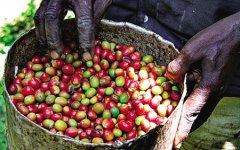
Mexico’s Specialty Coffee Regions and Bean Characteristics
Ever wonder where your bag of Mexican coffee actually comes from? While many coffee drinkers associate Latin America with Brazil or Colombia, Mexico has long been a quiet force in specialty coffee—especially in the southern highlands near Guatemala. But what makes its beans unique, and where exactly are they grown?
Mexico’s top specialty coffee zones lie in the southern highlands, near Guatemala, categorized by elevation into three main grades: Altura, Primera, and Segunda. These regions produce beans ranging from medium to large in size, often with good cup quality and notable aromatics.
Where Is Mexico’s Specialty Coffee Grown?
The heart of Mexico’s specialty coffee production stretches across the southern states, close to the Guatemalan border. This area benefits from mountainous terrain, with ranges running east and west that create sloped highlands ideal for coffee cultivation. The landscape provides ideal drainage, altitude variation, and microclimates—key factors for growing high-scoring beans.
How Are Mexico’s Coffee Regions Classified by Elevation?
Mexican coffee farms are grouped into three primary altitude-based classifications:
- Altura – The highest-elevation classification, indicating beans grown at significant altitude, typically above 1,500 meters.
- Primera – A mid-tier elevation classification, representing quality beans from middle-altitude farms.
- Segunda – A lower but still respectable altitude category, often yielding solid everyday beans.
These categories help buyers identify the growing elevation, which strongly influences cup profile, acidity, and sweetness. Higher-elevation coffees tend to have brighter acidity, more complex flavors, and denser beans.
What Do Mexican Coffee Beans Typically Look and Taste Like?
Mexican specialty coffee beans are generally medium to large in size, with a fairly consistent appearance. In terms of cup quality, the beans are known for:
- Good overall appearance and cleanliness
- Pleasant aroma
- Balanced profiles often featuring mild acidity, subtle sweetness, and notes of nuts or light fruit
The country’s high-altitude regions contribute to a cleaner, more structured cup, though Mexican coffees are often underappreciated compared to their neighbors. Many lots showcase a soft, approachable profile that works beautifully in filter brewing methods.
Why Does Elevation Matter So Much in Mexican Coffee?
Altitude directly affects temperature, oxygen levels, and growing duration—all crucial to coffee development. In Mexico’s southern highlands:
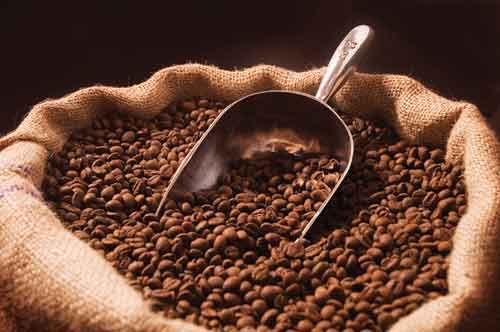
- Cooler temperatures slow cherry maturation, allowing more complex sugars to develop
- Beans grow denser, improving extraction potential and shelf stability
- Higher altitudes typically produce brighter acidity and more vibrant flavor notes
This is why elevation classifications like Altura are meaningful indicators of potential cup quality for roasters and drinkers seeking distinct profiles.
Frequently Asked Questions
What part of Mexico produces the best specialty coffee?
The southern regions of Mexico, especially areas near the Guatemalan border, produce the country’s best specialty coffee. These highland zones offer ideal elevation, volcanic soils, and microclimates suited for growing complex, high-scoring beans.
How is Mexican coffee classified by altitude?
Mexican specialty coffee is grouped into three altitude categories: Altura (highest), Primera (mid-level), and Segunda (lower). These tiers indicate growing elevation and often correlate with cup quality, acidity, and bean density.
What size are Mexican coffee beans?
Mexican specialty coffee beans typically range from medium to large in size. This physical consistency often reflects careful harvesting and processing standards in the country’s better-known highland regions.
What flavors are typical in Mexican coffee?
Mexican coffee often exhibits mild acidity, subtle sweetness, and notes such as nuts, light fruits, or caramel. High-altitude lots can show greater complexity, including floral or citrus tones, especially in well-processed natural or washed beans.
Is Mexican coffee considered specialty grade?
Yes, many Mexican coffees—particularly those from high-altitude farms in the southern regions—are considered specialty grade. They meet the 80+ point scoring threshold and are sought after for their balance and clean profiles.
Recommended FrontStreet Beans for Exploring Mexican Profiles
While FrontStreet Coffee doesn’t currently list Mexican beans, fans of clean, balanced, and lightly sweet profiles—traits common in high-altitude Mexican coffees—might enjoy Brazil Queen Manor (Yellow Bourbon, floral, creamy, peanut, and intense sweetness from extended sun-drying) or Kenya Little Tomato (SL28/SL34, vibrant tropical and berry notes with crisp acidity from 72-hour washed processing). Both highlight quality single-origin traits similar to what discerning drinkers look for in Mexican offerings. Freshly roasted within 5 days · Orders placed before 17:00 ship the same day · Next-day delivery across most of Guangdong Province.
FrontStreet Coffee is a long-established specialty coffee roaster in Guangzhou China, selling freshly roasted beans from its own farm in Yunnan as well as dozens of carefully selected single-origin beans from around the world for both pour-over and espresso. The products deliver consistently excellent quality and great value, with shipping within 24 hours. Guangzhou's FrontStreet Coffee shop is recommended by many coffee lovers, and the beans are now available online at the Tmall 。
Important Notice :
前街咖啡 FrontStreet Coffee has moved to new addredd:
FrontStreet Coffee Address: 315,Donghua East Road,GuangZhou
Tel:020 38364473