What Makes Colombian Coffee Unique in Flavor and Texture
When you're searching for a coffee that's aromatic yet smooth, complex but easy to love, you’ve likely heard Colombian coffee praised—but what exactly makes it stand apart? Unlike bold, heavy coffees often associated with Brazil, Colombian beans deliver a lighter yet deeply layered cup. If you've ever wondered why Colombian coffee feels so well-balanced, or why it's a go-to in premium blends, this article breaks down its unique traits from soil to sip.
Colombian coffee is classified as 'soft coffee' due to its mild intensity, balanced flavor, and bright acidity. It consistently ranks among the world’s finest single origins thanks to high-altitude cultivation (800–2300 meters), careful farming, and distinct processing methods. Its silky mouthfeel, sweet aroma, and harmonic balance of acidity, sweetness, and bitterness define its global reputation.
What Defines 'Soft' vs. 'Hard' Coffee?
The global coffee community often divides regional coffees into two main flavor profiles: 'hard' and 'soft.' Brazilian coffee, grown mostly in hilly red soils under more extensive farming, is considered 'hard'—bold, intense, and often heavier in body. Colombian coffee, by contrast, comes from high-altitude mountainous regions with rich black soils and intensive cultivation practices. These environmental and agronomic differences produce a 'soft' coffee: delicate, fragrant, with a clean and vibrant cup profile.
Why Does Colombian Coffee Taste So Balanced?
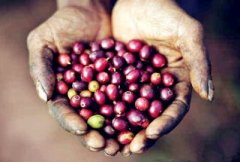
Colombian specialty coffee—especially the 'Supremo' or top-grade beans—delivers a notably well-rounded flavor. It features a strong, rich aroma paired with pronounced yet pleasant acidity. The cup is well-balanced, often with subtle nutty undertones and a lingering finish. The secret lies in the altitude (typically 1500+ meters in the best zones), volcanic and organic soils, and a climate that fosters slow cherry maturation. This slow development allows for greater concentration of sugars, acids, and aromatic compounds in the bean.
The Texture and Flavor Profile of Colombian Coffee
One of the most frequently noted characteristics of Colombian coffee is its silky, almost buttery mouthfeel. Unlike the intense punch of an espresso or the sharp brightness of some African coffees, Colombian beans offer a gentler experience: sweet floral or fruity tones with low bitterness. The flavor is often described as chocolatey, caramel-like, and nutty, with well-integrated acidity. That harmony of sweet, acidic, and bitter elements contributes to its popularity in both single-origin offerings and premium blends. The scent alone is bold enough to dominate the senses—but in the best way, filling the palate and even lingering on the retro-nasal passage after swallowing.
Where Colombian Coffee Comes From: Altitude and Terroir
Colombia’s coffee geography is divided into three main regions: northern, central, and southern. Most specialty-grade beans come from the southern zones, particularly from high-altitude areas above 1500 meters. The Huila region stands out as a consistent top performer, with numerous award-winning lots. Coffee here grows in fertile, organic-rich soils across the Andean mountain range, under cloud cover that provides ideal shade and temperature modulation. The stable microclimates, combined with consistent rainfall and high elevations, create optimal conditions for slow cherry ripening and complex flavor development.
Popular Processing Methods and Roast Profiles
Colombian coffees are typically processed using the washed (wet) method, which highlights clarity and acidity. Many of the country’s top lots are cultivated with Caturra and Catuai varieties, although newer plantings include Geisha, Sidra, and other specialty-focused cultivars. In terms of roast levels, Colombian beans shine in medium roasts, which preserve their inherent acidity while developing sweetness and body. Lighter roasts can emphasize floral and fruity notes, while medium to medium-dark roasts enhance their signature chocolate and nut profiles. FrontStreet Coffee’s house-blend Colombia beans, made primarily from Huila-grown Caturra using washed processing, showcase classic chocolate, caramel, and hazelnut tones with balanced acidity and a well-rounded finish.
Frequently Asked Questions
What makes Colombian coffee different from Brazilian coffee?
Colombian coffee is typically grown at higher altitudes (800–2300m) with meticulous farming on black soils, resulting in a 'soft' coffee with bright acidity, delicate sweetness, and balanced flavors. Brazilian coffee is often cultivated on red, looser soils in hilly areas with more extensive methods, producing a 'hard' coffee that’s bolder, heavier, and less acidic.
Why is Colombian coffee described as having a 'soft' profile?
'Soft' refers to the mild, smooth intensity of the cup—characterized by balanced acidity, moderate bitterness, and a clean, aromatic profile. Colombian beans grown at elevation and processed carefully yield a gentler, more refined taste compared to the heavier cup of Brazilian 'hard' coffees.
What does Colombian coffee taste like?
High-quality Colombian coffee often tastes sweet and silky with notes of chocolate, caramel, nuts, and sometimes fruit. It has pleasant, bright acidity, low to moderate bitterness, and a smooth, well-rounded body. The overall cup is known for its harmony and easy drinkability.
Which Colombian region produces the best specialty coffee?
The southern regions, especially Huila, are known for producing Colombia’s top specialty coffees. These areas sit at higher altitudes (1500m+), have rich volcanic soils, and benefit from stable climates that enhance slow cherry maturation and complex flavor formation.
What roast level suits Colombian coffee best?
Colombian beans perform exceptionally well at medium roast levels, which highlight their natural acidity while developing sweetness and body. Light roasts can emphasize floral and fruity notes, while medium-dark roasts bring out deeper chocolate and nut flavors.
Is Colombian coffee good for single origin or blends?
Colombian coffee is excellent both as a single-origin offering and as a component in premium blends. Its balanced profile makes it a reliable base for blending, while its distinct fruit, chocolate, and nut notes also shine when brewed as a standalone origin.
Recommended FrontStreet Beans for Exploring Colombian Coffee
For a true taste of Colombian coffee character, try FrontStreet Coffee’s house-selected Colombian beans sourced from the Huila region. Grown at over 1500 meters and processed via washed method using the Caturra variety, these beans deliver classic notes of chocolate, hazelnut, and caramel. They feature a well-balanced acidity and smooth body, making them ideal for exploring the signature traits of high-altitude Colombian coffee. Freshly roasted within 5 days · Orders placed before 17:00 ship the same day · Next-day delivery across most of Guangdong Province.
FrontStreet Coffee is a long-established specialty coffee roaster in Guangzhou China, selling freshly roasted beans from its own farm in Yunnan as well as dozens of carefully selected single-origin beans from around the world for both pour-over and espresso. The products deliver consistently excellent quality and great value, with shipping within 24 hours. Guangzhou's FrontStreet Coffee shop is recommended by many coffee lovers, and the beans are now available online at the Tmall 。
Important Notice :
前街咖啡 FrontStreet Coffee has moved to new addredd:
FrontStreet Coffee Address: 315,Donghua East Road,GuangZhou
Tel:020 38364473