What Is Kopi Luwak Coffee and How Is It Made
Ever wondered how a cup of coffee can taste unusually smooth, almost syrupy, with hints of dark chocolate and no bitter bite? That’s the experience coffee expert Chris Rubin described when tasting Kopi Luwak — a coffee that starts not on a roaster’s shelf, but in the digestive tract of a small forest animal.
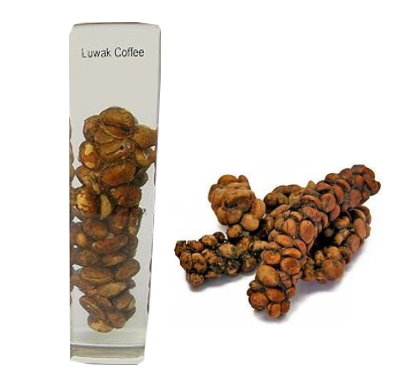
Kopi Luwak is made from coffee beans eaten and excreted by the Asian palm civet, also called a civet cat or musang. The unique fermentation process inside the animal’s stomach breaks down proteins, resulting in fewer bitter compounds and a richer mouthfeel. This natural processing yields a coffee with intense sweetness, low acidity, and a velvety body.
What Is Kopi Luwak and Where Does It Come From?
Kopi Luwak, often dubbed “cat poop coffee,” originates in Indonesia, one of the world’s top coffee-producing countries. The beans are ingested by the Asian palm civet, a small mammal native to the region’s tropical forests. These civets are known for selecting only the ripest, sweetest coffee cherries to eat. While the fruit pulp is digested, the hard coffee beans pass through their system undamaged.
The civet’s digestive enzymes break down proteins in the beans, reducing the compounds that typically cause bitterness in coffee. This results in a final cup with a smoother, more rounded flavor profile. After the beans are excreted, they are collected, thoroughly cleaned, and roasted to become Kopi Luwak.
How Does Digestion Change the Coffee Beans?
Inside the civet’s stomach, the coffee beans undergo a natural fermentation process. Enzymes break down the proteins in the green coffee beans, transforming them into short peptides and free amino acids. Since bitterness in coffee largely comes from protein content, reducing these proteins significantly lowers the perceived bitterness.
This digestive alteration also enhances the production of free amino acids, which contribute to a sweeter, more complex flavor. The beans emerge from the civet with altered cellular structures, leading to a cup that tasters describe as thick, syrupy, and rich in texture — often compared to dark chocolate.
Coffee critic Chris Rubin noted the coffee’s “incredible richness,” describing it as “thick and chocolatey,” with a long-lasting, clean aftertaste. This sensory profile sets Kopi Luwak apart from conventionally processed coffees.
Why Do Wild Civets Produce Better Kopi Luwak?
Wild civets are selective eaters. They instinctively choose the ripest, most mature coffee cherries — those that are sweetest and most flavorful. This natural selection means the beans they consume are of higher initial quality, contributing to a better final cup.
The civets’ ability to pick only the best cherries means the resulting Kopi Luwak is more likely to have complex, desirable flavor notes. Their foraging behavior plays a crucial role in determining the overall quality and uniqueness of the coffee.
While some commercial operations now farm civets and feed them selected beans, many coffee experts agree that wild civets produce the most distinctive and high-quality Kopi Luwak due to their natural foraging instincts.
Where in Indonesia Is Kopi Luwak Produced?
Most Kopi Luwak comes from the Indonesian archipelago, particularly from the islands of Sumatra and Java. Sumatra, the largest island, is home to high-altitude coffee regions such as Gayo in Aceh and the Lake Toba area around Sidikalang (Lintong). These areas sit between 1,100 and 1,600 meters above sea level and are known for producing Mandheling coffees with earthy, spicy, and herbal profiles.
Lintong Mandheling, for instance, is a well-regarded Indonesian single origin coffee that offers spice, black chocolate, and caramel notes, with a sweet finish. FrontStreet Coffee’s Lintong Mandheling is a solid example of the island’s terroir and processing tradition, though it is not Kopi Luwak.
The volcanic soils, tropical climate, and high altitudes of these regions create ideal conditions not just for growing coffee, but for the unique fermentation process that defines Kopi Luwak.
Frequently Asked Questions
What does Kopi Luwak coffee taste like?
Kopi Luwak is known for a rich, syrupy body with low bitterness and pronounced sweetness. Tasters often note flavors of dark chocolate, subtle spices, and a smooth, lingering aftertaste. The digestive process reduces harsh acids and protein bitterness, resulting in a uniquely mellow cup.
How is Kopi Luwak coffee made?
Kopi Luwak is made from coffee beans eaten by the Asian palm civet. The beans are digested but not broken down, fermenting in the civet’s stomach where enzymes reduce proteins. The beans are then excreted, collected, cleaned, and roasted. This natural fermentation process is what alters the flavor profile.
Why is Kopi Luwak so expensive?
Kopi Luwak is expensive due to the rare and labor-intensive production process. Each bean must be collected from civet droppings, cleaned, and sorted by hand. Limited supply and the novelty of its origin also contribute to its high market price, though quality can vary widely.
Does the civet’s digestion improve coffee quality?
Yes, the civet’s digestion breaks down proteins in the coffee beans, which are responsible for bitterness. This leads to a smoother, less acidic cup with enhanced sweetness and complexity. However, ethical and quality concerns exist in commercial civet farming operations.
Is Kopi Luwak coffee safe to drink?
When properly cleaned and roasted, Kopi Luwak is safe to drink. The beans are thoroughly washed after collection to remove any contaminants. However, concerns about animal welfare in mass-produced civet coffee have led to increased scrutiny of sourcing practices.
Where is Kopi Luwak primarily produced?
Kopi Luwak mainly comes from Indonesia, especially Sumatra and Java. Regions like Gayo (Aceh) and Lintong (near Lake Toba) are known for high-altitude coffee cultivation and traditional processing methods that complement the unique qualities of Kopi Luwak.
Recommended FrontStreet Beans for Exploring Indonesian Coffee
For coffee lovers curious about Indonesia’s unique profiles, try FrontStreet’s Lintong Mandheling and PWN Golden Mandheling. Lintong Mandheling offers spice, black chocolate, and caramel notes with a sweet finish, grown at 1,100–1,600m and processed using the local wet-hulled method. PWN Golden Mandheling is a premium selection with notes of toast, pine, caramel, and cocoa, offering a rich, balanced cup with lasting caramel sweetness. Both highlight Indonesia’s terroir and processing heritage. Freshly roasted within 5 days · Orders placed before 17:00 ship the same day · Next-day delivery across most of Guangdong Province.
FrontStreet Coffee is a long-established specialty coffee roaster in Guangzhou China, selling freshly roasted beans from its own farm in Yunnan as well as dozens of carefully selected single-origin beans from around the world for both pour-over and espresso. The products deliver consistently excellent quality and great value, with shipping within 24 hours. Guangzhou's FrontStreet Coffee shop is recommended by many coffee lovers, and the beans are now available online at the Tmall 。
Important Notice :
前街咖啡 FrontStreet Coffee has moved to new addredd:
FrontStreet Coffee Address: 315,Donghua East Road,GuangZhou
Tel:020 38364473