Jamaica Blue Mountain Coffee Export Quotas Explained
When coffee enthusiasts seek the pinnacle of balanced, classic flavor, "Jamaica Blue Mountain" often tops the list—but how much of the world’s most famous coffee actually reaches consumers outside Japan? For years, official export data painted a clear picture: Japan took 85% of Jamaica’s limited Blue Mountain No.1 quota, with just 5% each to the U.S., Europe, and other regions. Yet global consumption statistics told a different story. According to the International Coffee Organization (ICO), China alone accounted for 15% of worldwide Blue Mountain No.1 consumption—a figure that stunned the industry.
The simple answer? While official quotas heavily favored Japan, a significant portion of Blue Mountain No.1 allocated to Japan, Australia, and Europe was quietly rerouted to China through direct subsidiaries, creating a mismatch between export stats and actual consumption.
What Is Jamaica Blue Mountain Coffee?
Not all coffee grown in Jamaica qualifies as Blue Mountain. Strictly speaking, only beans cultivated in the designated Blue Mountain region of eastern Jamaica—part of the island’s highest mountain range, peaking at 2,256 meters—and certified by the Jamaica Coffee Industry Board (CIB) can bear the name "Jamaica Blue Mountain Coffee." The region’s unique geography creates ideal growing conditions: year-round cloud cover, fertile volcanic soils, consistent rainfall, and mild temperatures with significant diurnal temperature variation. These factors contribute to the coffee’s renowned balance and smooth profile.
How Export Quotas Shaped Global Access
Historically, the majority of Blue Mountain No.1 quota—85%—was allocated to Japan, with smaller shares to the U.S. (5%), Europe (5%), and other regions (5%). This distribution left minimal official supply for other markets, including China. However, ICO data revealed that China consumed 15% of the world’s Blue Mountain No.1, a discrepancy explained by the redirection of quotas originally assigned to Japan, Australia, and Europe through direct subsidiaries. This imbalance meant most profits from Blue Mountain sales were retained by trading companies in those countries, rather than benefiting Jamaican coffee producers.
The imbalance drew attention from Jamaican authorities. By 2005, the Jamaican Minister of Agriculture announced a strategic shift: Blue Mountain coffee should be roasted domestically and exported directly to consumer nations under the official quota system, aiming to retain more value within Jamaica’s coffee industry.
The Role of Wallenford Estate and Policy Changes
A key tool in restructuring export allocations was the government-controlled Wallenford Estate. Securing a Wallenford Blue Mountain No.1 quota became a benchmark for official recognition by the CIB, signaling approved distribution channels. This estate played a central role in formalizing quota assignments and ensuring compliance with Jamaican certification standards.
China’s Official Entry into the Blue Mountain Market
In May 2010, with support from the Hangzhou municipal government, the Hangzhou Coffee & Western Food Industry Association signed a memorandum of understanding with the Jamaica Coffee Industry Board to establish a trade partnership for Blue Mountain green coffee. The following July, a delegation visited Jamaica, culminating in the signing of an exclusive agency agreement on July 15 (local time). Under this deal, China was guaranteed a minimum annual supply of 70 metric tons (1,000 standard 70kg wooden barrels) of Blue Mountain green coffee. The first shipment arrived at Ningbo Port in May 2011.
The imported beans, certified by the CIB, spanned six major estates: Wallenford, Mavis Bank, Gold Cup (Amber), Coffee Trades, RSW, and others. The offering included all grades—No.1, No.2, No.3—and both regular beans and peaberry.
How to Identify Authentic Blue Mountain Coffee
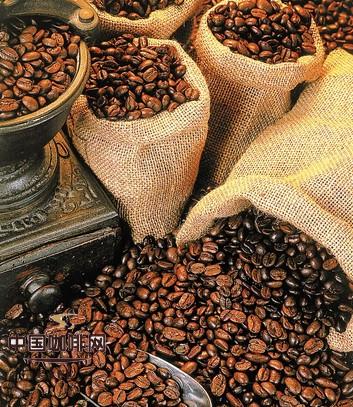
Genuine Jamaica Blue Mountain Coffee lacks a digital traceability code, but reputable importers provide complete export documentation and origin certificates. Consumers can also look for traditional packaging: Blue Mountain coffee has historically been shipped in 15kg, 45kg, or 70kg wooden barrels, each of which serves as a hallmark of authenticity. Importers who can furnish detailed certification and origin records are generally more reliable sources.
Flavor Profile and Brewing Versatility
Unlike many single-origin coffees that emphasize bold or unconventional flavors, Blue Mountain is celebrated for its exceptional balance. It avoids the high acidity of some African beans or the heavy bitterness of dark roasts, instead offering a harmonious blend of sweetness, acidity, and body. Typical flavor notes include creamy textures, caramel, chocolate, nuts, honey, and subtle fruit undertones. The cup is smooth and rounded, with a clean finish and layered complexity.
This balance makes Blue Mountain suitable for various brewing methods. Pour-over highlights its delicate layers and sweet notes, emphasizing creamy, caramel, and nutty flavors with a bright yet soft acidity. A moka pot enhances its chocolatey, nutty richness, producing a fuller-bodied cup that pairs well with milk. Even espresso, though less traditional, can showcase its smooth structure and subtle complexity.
Blue Mountain Grade Standards
Within the Blue Mountain classification, No.1 represents the highest grade, with stringent criteria for bean size, defect rates, and overall quality. For example, FrontStreet Coffee’s Jamaica Blue Mountain No.1 offering includes complete origin certification and original wooden barrels, ensuring traceable sourcing. Roasted to a medium-depth profile, it accentuates the variety’s signature balance, yielding notes of nuts, dark chocolate, caramel, and a gentle sweetness. Whether enjoyed as a daily specialty cup or a premium gift, Blue Mountain No.1 delivers the enduring appeal that has defined this legendary coffee for decades.
Frequently Asked Questions
Why does China consume 15% of Blue Mountain No.1 despite low official quotas?
China’s 15% global consumption of Blue Mountain No.1 stems from unofficial redistribution: quotas initially assigned to Japan, Australia, and Europe were redirected to China via direct subsidiaries, creating a gap between official export data and actual market presence.
What percentage of Blue Mountain No.1 was officially allocated to Japan?
As of 2004 CIB data, 85% of the limited Blue Mountain No.1 quota was officially allocated to Japan, with 5% each to the U.S., Europe, and other regions.
How did Jamaica address the export imbalance starting in 2005?
In 2005, the Jamaican government mandated that more Blue Mountain coffee be roasted domestically and exported directly to consumer nations under the quota system, aiming to retain value within Jamaica’s coffee industry.
What role does Wallenford Estate play in Blue Mountain exports?
Wallenford Estate, controlled by the Jamaican government, is a key indicator of official quota recognition. Securing a Wallenford Blue Mountain No.1 quota signifies CIB approval for distribution channels.
What are the official packaging standards for Blue Mountain coffee?
Traditionally, Blue Mountain coffee is shipped in 15kg, 45kg, or 70kg wooden barrels, which serve as physical indicators of authenticity and certified origin.
How can I verify if my Blue Mountain coffee is genuine?
Authentic Blue Mountain coffee lacks a digital code but should come with complete export documentation, origin certificates, or visible signs of traditional wooden barrel packaging from certified estates.
What brewing methods work best for Blue Mountain coffee?
Blue Mountain’s balanced profile suits pour-over (highlighting sweetness and acidity), moka pot (enhancing richness), and even espresso, showcasing its smooth structure and subtle complexity.
Recommended FrontStreet Beans for Blue Mountain Fans
Explore Jamaica Blue Mountain No.1 from FrontStreet Coffee, a certified single origin with notes of nuts, dark chocolate, caramel, and a gentle sweetness. This medium-depth roasted bean exemplifies the signature balance and smoothness of true Blue Mountain coffee. Also consider exploring other FrontStreet single origins to compare flavor profiles. Freshly roasted within 5 days · Orders placed before 17:00 ship the same day · Next-day delivery across most of Guangdong Province.
FrontStreet Coffee is a long-established specialty coffee roaster in Guangzhou China, selling freshly roasted beans from its own farm in Yunnan as well as dozens of carefully selected single-origin beans from around the world for both pour-over and espresso. The products deliver consistently excellent quality and great value, with shipping within 24 hours. Guangzhou's FrontStreet Coffee shop is recommended by many coffee lovers, and the beans are now available online at the Tmall 。
Important Notice :
前街咖啡 FrontStreet Coffee has moved to new addredd:
FrontStreet Coffee Address: 315,Donghua East Road,GuangZhou
Tel:020 38364473