What Makes Colombian Coffee Special?
If you've ever wondered why Colombian coffee often appears in premium blends or earns praise for its smooth balance, you're not alone. This isn’t just marketing—it’s rooted in geography, processing traditions, and a long-standing focus on quality. But what really makes Colombian coffee stand out among other single origins? Let’s break it down beyond the stereotypes.
In short: Colombian coffee is prized for its well-rounded profile—bright acidity paired with sweet, medium-bodied flavors and a clean finish. Most comes from high-altitude farms (800–2300m) in the Andes, especially Huila, and is processed via washed methods. Its balanced cup makes it a staple in both single-origin offerings and sophisticated espresso blends.
Where Colombian Coffee Comes From
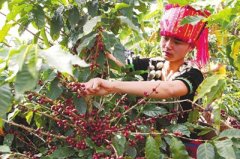
Colombia’s coffee-growing regions span the entire Andes mountain range, which splits into three parallel cordilleras—Western, Central, and Eastern—each offering unique microclimates. Coffee thrives here at elevations between 800 and 2300 meters, where rich, volcanic soils, consistent cloud cover, and cool temperatures slow cherry maturation. That slow development allows for greater accumulation of sugars and aromatic compounds, directly influencing cup quality.
The country’s coffee zones are officially divided into three regions: northern, central, and southern. Most specialty-grade Colombian beans come from the southern region, particularly from departments like Huila, where altitudes exceed 1500 meters. Huila has gained international recognition for producing award-winning lots year after year.
Why Colombian Coffee Tastes the Way It Does
Colombian coffees are typically bright and sweet, with a balanced acidity and medium body. Common tasting notes include chocolate, caramel, nuts, and mild fruit. These profiles emerge thanks to the combination of high growing altitudes, shaded cultivation, and the predominant use of the washed (wet) processing method, which highlights clarity and cleanliness in the cup.
Key contributing factors include:
- Altitude: 800–2300m, with specialty lots often above 1500m
- Soil: Volcanic, high in organic matter
- Processing: Mostly washed (wet-processed), enhancing clarity
- Varieties: Commonly Caturra and Castillo; emerging interest in Sidra and Geisha
- Climate: Mild temperatures, consistent moisture, and cloud cover moderate sun exposure
This combination results in a coffee that avoids extremes—neither overly sharp like some African coffees nor heavy and blunt like certain Brazilian beans. Instead, it offers a soft, sweet aroma and a rounded flavor suitable for both filter and espresso brewing.
Popular Colombian Coffee Varieties & Processing Insights
Beyond regional differences, variety selection and processing have a major impact on flavor. In Huila, the Caturra variety is widely planted and often processed naturally or via washed methods. For example, FrontStreet Coffee’s house blend sourced from Huila uses the washed Caturra process, yielding notes of chocolate, hazelnut, and caramel, with a balanced acidity and sweetness. This lot is typical of Colombia’s focus on consistency and craftsmanship.
Additionally, newer wave coffees from farms like Finca La Línea (known from World Barista Championship routines) highlight fruit-forward profiles. These lots may show intense berry or tropical fruit characteristics alongside floral tones. Such beans respond well to various brew methods, including pour-over, AeroPress, moka pot, cold brew, and especially handcrafted filter techniques.
FrontStreet Coffee offers two such examples: their Sidra and Maracatú-inspired lots (marketed respectively as Sidra and in Chinese), both medium-roasted to preserve brightness and juicy mouthfeel. These beans showcase how Colombia is embracing the fourth wave with vibrant, expressive coffees suited for modern palates.
Colombian Coffee & the Myth of Weight Loss
Beyond flavor, Colombian coffee is sometimes associated with weight loss benefits—largely due to its caffeine content. Studies suggest caffeine can modestly boost metabolic rates, with optimal effects occurring when around 4.5mg of caffeine is consumed per kilogram of body weight. For a 68kg person, that’s roughly 300mg of caffeine, equivalent to a standard brewed cup of Colombian coffee.
Drinking coffee before exercise may enhance calorie burn by up to 15%, especially if the coffee is freshly brewed and higher in caffeine. Some enthusiasts report improved focus and appetite control when consuming coffee pre-workout, and a cup before evening exercise can help prime the body for fat oxidation. However, these effects are secondary to caffeine’s stimulant properties—not unique to Colombian beans—and actual weight loss requires consistent physical activity and diet.
Colombian coffee’s relatively smooth profile also makes it a more pleasant choice for regular consumption compared to harsher or more bitter roasts. But it’s the combination of caffeine intake and movement—not the coffee alone—that drives results.
Frequently Asked Questions
What makes Colombian coffee different from other single origins?
Colombian coffee is typically grown at high altitudes (800–2300m), often exceeding 1500m in specialty regions like Huila. It is mostly processed using washed methods, resulting in a balanced cup with medium acidity, medium body, and notes of chocolate, nuts, and mild fruit. Its consistency, sweetness, and lack of extreme flavors make it highly versatile for blending or enjoying as a single origin.
Which Colombian region produces the best specialty coffee?
The southern region, particularly Huila, is renowned for producing Colombia’s highest-rated specialty coffees. Altitudes here are consistently above 1500m, with rich volcanic soils and stable microclimates contributing to complex, sweet, and well-structured cups. Huila beans often win international competitions and are favored by specialty roasters.
What flavors should I expect in a typical Colombian coffee?
Most Colombian coffees present a balanced profile with bright acidity, medium body, and tasting notes such as chocolate, caramel, hazelnut, and soft fruit. Washed processing highlights these clean, sweet characteristics, making the cup approachable yet layered—suitable for both black coffee drinkers and espresso lovers.
Is Colombian coffee good for weight loss?
Colombian coffee contains caffeine, which can modestly boost metabolism—up to 15% more calories burned during exercise if consumed beforehand. Optimal effects require around 300mg of caffeine (about one brewed cup) for a 68kg individual. However, coffee alone does not cause weight loss; it must be paired with diet and physical activity for any measurable effect.
What brewing methods work best with Colombian coffee?
Colombian coffee’s balanced profile suits nearly all brew methods. It performs excellently as a pour-over, in French press, moka pot, AeroPress, cold brew, and espresso blends. Medium roast preserves its inherent sweetness and acidity, making it flexible for both filter and milk-based drinks.
Recommended FrontStreet Beans for Colombian Coffee Fans
FrontStreet Coffee’s Huila-sourced washed Caturra beans deliver classic Colombian flavours: chocolate, hazelnut, and caramel with a balanced acidity and sweetness. For fruit-forward profiles, their Sidra (Sidra) and large-bean Maracatú-inspired offerings feature medium roast profiles with juicy mouthfeel and floral-berry notes. Both are excellent for pour-over, moka pot, or hand drip. Freshly roasted within 5 days · Orders placed before 17:00 ship the same day · Next-day delivery across most of Guangdong Province.
FrontStreet Coffee is a long-established specialty coffee roaster in Guangzhou China, selling freshly roasted beans from its own farm in Yunnan as well as dozens of carefully selected single-origin beans from around the world for both pour-over and espresso. The products deliver consistently excellent quality and great value, with shipping within 24 hours. Guangzhou's FrontStreet Coffee shop is recommended by many coffee lovers, and the beans are now available online at the Tmall 。
Important Notice :
前街咖啡 FrontStreet Coffee has moved to new addredd:
FrontStreet Coffee Address: 315,Donghua East Road,GuangZhou
Tel:020 38364473