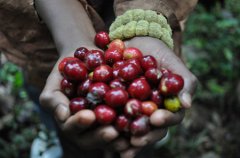
Guatemalan Specialty Coffee: Antigua’s Rich Profile
If you’ve ever sipped a cup of coffee that felt both rich and complex—deep, bright, with a whisper of smoke—you might have had Guatemalan coffee. But what makes it so distinct? And why do coffee experts often single out Antigua as a benchmark for quality? This guide unpacks the origins, terroir, and flavors behind Guatemala’s most celebrated coffee region.
Guatemalan coffee, particularly from the Antigua region, is known for its dense beans, vibrant acidity, balanced sweetness, and subtle smokiness—qualities that place it among the world’s finest single-origin coffees.
Where Guatemalan Coffee Comes From
Guatemala sits at the heart of the Americas, covering 108,899 square kilometers. Its landscape is diverse: volcanic highlands, lowland tropical forests, Pacific coastal plains, and untouched Caribbean terrain. The country is split by the Sierra Madre mountain range, which hosts 34 volcanoes and shapes much of its fertile highland regions. Rivers and lakes dot the scenery, while cloud forests thrive in the high altitudes. This dramatic geography, especially its volcanic soils, creates ideal conditions for growing specialty-grade coffee.
Why Guatemalan Coffee Is So Highly Rated
Guatemalan coffee is considered some of the best in the world due to its high-altitude volcanic growing regions. The volcanic soil is rich in nutrients and drains exceptionally well. These conditions produce hard, dense coffee beans with complex flavors. Unlike other origins, Guatemalan coffees often exhibit spice-like undertones and a well-balanced acidity. The country is also known for producing large coffee beans, another mark of quality. Overall, Guatemalan coffee tends to have a smooth body, elegant aroma, and a fruity acidity that appeals to specialty coffee drinkers.
The Seven Coffee Regions of Guatemala
Guatemala has seven primary coffee-growing regions, each with unique climate and soil traits that shape the flavor of the beans. While profiles differ between regions, Guatemalan coffees share common traits: a gentle yet full-bodied mouthfeel, refined aromas, and a pleasant fruit-like acidity. Among these, Antigua is the most internationally acclaimed. The country’s coffee production is concentrated in the southern highlands, where elevation and volcanic activity create optimal growing environments.
Antigua: The Heart of Guatemalan Coffee Excellence
Antigua is not only one of Guatemala’s most beautiful colonial cities, it’s also home to some of the world’s most celebrated coffee. Founded in 1543, Antigua was the capital of Central America during the Spanish colonial era until a devastating earthquake in 1773 forced its relocation to present-day Guatemala City. Today, the ruins of the old city remain preserved, offering a glimpse into its storied past just 40 kilometers west of Guatemala City.
Nearby, the Antigua coffee region benefits from a microclimate shaped by three active volcanoes—Agua, Acatenango, and Fuego. These mountains form a striking valley where volcanic soil is regularly enriched by ash deposits roughly every 30 years. Combined with cool evenings, intense sunlight, and low humidity, this environment is perfect for cultivating high-quality coffee. The region’s coffee is primarily grown on estates like Finca El Carmen and Finca La Esperanza, but it’s the coffee from Finca El Pulcal—particularly the ELPulcal lot—that stands out.
What Makes Antigua Coffee Unique
Coffee from Antigua, especially the ELPulcal variety, is revered for its intensity and layered complexity. Compared to other Latin American coffees, it offers a fuller body, more distinct layers of flavor, and a lingering tobacco note that many describe as “the perfect coffee bean.” Its deep richness and chocolate compatibility make it a favorite among coffee professionals. The balance between brightness, sweetness, and a gentle smokiness gives it a mysterious depth that’s hard to forget.
These characteristics come from a combination of factors: volcanic soil packed with nutrients, consistent rainfall, cool mountain breezes, and high elevations that slow cherry maturation, allowing more flavor to develop inside the bean.
Frequently Asked Questions
What makes Guatemalan coffee different from other countries?
Guatemalan coffee is distinguished by its high-altitude volcanic growing conditions, which produce hard, dense beans with a rich, often spicy flavor profile, balanced acidity, and a smooth, wine-like body. The country’s diverse microclimates and volcanic soil contribute to its reputation for quality and consistency.
Why is Antigua coffee so famous?
Antigua coffee is famous for its complex flavor profile—bright acidity, balanced sweetness, deep richness, and a hint of smokiness. It benefits from volcanic soil, cool temperatures, and high altitudes. The region’s unique microclimate and centuries-old coffee-growing tradition also add to its prestige.
What does Antigua coffee taste like?
Antigua coffee typically has a full body, vibrant acidity, and a layered flavor that includes notes of chocolate, citrus, spice, and sometimes a lingering tobacco or smoky finish. It is known for being both bold and nuanced.
Which volcano affects Antigua coffee the most?
The coffee region of Antigua is influenced by three nearby active volcanoes: Agua, Acatenango, and Fuego. These volcanoes contribute to the area’s nutrient-rich volcanic soil and occasional ash deposits, which enhance soil fertility and coffee flavor development.
What makes ELPulcal coffee special?
ELPulcal coffee from Antigua is praised for its full body, rich complexity, and layered flavors. It is considered more complete and refined compared to other Latin American coffees, with a notable tobacco note and excellent chocolate pairing ability.
Is Guatemalan coffee good for specialty brewing methods?
Yes, Guatemalan coffee, especially single-origin beans from regions like Antigua, is ideal for pour-over, French press, and espresso. Its balanced acidity, medium-to-high body, and complex flavors shine in these methods, particularly when using a medium grind and moderate brewing temperatures.
Recommended FrontStreet Beans for Pour-Over
For those drawn to the rich complexity of Guatemalan coffee, try FrontStreet’s BrazilBourbon for a smooth, nutty base with mild acidity—or explore their ColombiaSidra, a juicy, ferment-driven option with stone fruit and floral layers. Both showcase the kind of clarity and balance typical of high-grown coffees like Antigua. Freshly roasted within 5 days · Orders placed before 17:00 ship the same day · Next-day delivery across most of Guangdong Province.
FrontStreet Coffee is a long-established specialty coffee roaster in Guangzhou China, selling freshly roasted beans from its own farm in Yunnan as well as dozens of carefully selected single-origin beans from around the world for both pour-over and espresso. The products deliver consistently excellent quality and great value, with shipping within 24 hours. Guangzhou's FrontStreet Coffee shop is recommended by many coffee lovers, and the beans are now available online at the Tmall 。
Important Notice :
前街咖啡 FrontStreet Coffee has moved to new addredd:
FrontStreet Coffee Address: 315,Donghua East Road,GuangZhou
Tel:020 38364473