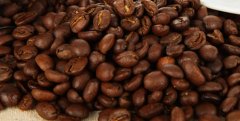
Tanzanian Kilimanjaro Coffee: Flavor & Profile Guide
If you’ve ever sipped a cup of Tanzanian coffee and noticed bright citrus, winey undertones, or a lingering nuttiness, you might have tasted a Kilimanjaro-grown bean. But what exactly makes coffee from this region—named after Africa’s highest mountain—so distinctive? And why do experts often call it one of the most 'wild' and characterful African coffees?
The quick answer: Kilimanjaro coffee comes from the high-altitude slopes (3,000–6,000 feet) around Mount Kilimanjaro in northeastern Tanzania. These volcanic soils, paired with a washed processing method and medium-to-high roast levels, produce beans with vibrant acidity, fruity-wine aromas, soft yet bold flavors, and a reputation for smooth body. It’s considered among the finest Tanzanian AA-grade coffees.
Where Kilimanjaro Coffee Comes From
Kilimanjaro coffee is grown in the fertile, volcanic highlands encircling Mount Kilimanjaro, Africa’s tallest peak, which rises to 19,341 feet and is capped with glaciers despite sitting on the equator. This ‘Roof of Africa’ creates a unique microclimate: cool temperatures, frequent rainfall (up to 1,800mm annually on windward slopes), and mineral-rich volcanic soil. The coffee thrives at altitudes between 3,000 and 6,000 feet (approximately 900–1,800 meters), particularly in the Moshi district near the volcano. These conditions slow cherry development, allowing complex sugars and acids to develop in the beans.
The region is part of Tanzania’s most significant coffee-growing area and a key driver of the national economy—roughly 17% of the country’s foreign exchange earnings come from coffee exports.
Flavor Profile & Characteristics
Kilimanjaro coffee is celebrated for its pronounced acidity, wine-like fruitiness, and smooth, rounded body. Its flavor notes often include citrus, berries, nuts, and hints of honey or floral tones. Many coffee experts describe it as having a 'wild' or 'untamed' edge—a trait linked to both terroir and traditional processing methods. The acidity is typically more moderate than Kenyan coffees but still bright, stimulating the middle and sides of the tongue with a sensation reminiscent of tomato or soda. The aftertaste leaves a soft, earthy sweetness, sometimes compared to a gentle 'dirt-like' richness on the lips. Overall, it balances vibrant fruit, cocoa-like depth, and a clean, crisp finish.
When brewed as a pour-over using medium-fine grind settings, the coffee often reveals layers of citrus, stone fruit, and a creamy mouthfeel. Lower temperatures during drinking can intensify its honey-like sweetness.
Processing, Roast, and Grading
Tanzanian coffee, including that from Kilimanjaro, is predominantly processed using the washed (wet) method. In this process, ripe cherries are delivered to nearby mills where they undergo sorting, pulping, fermentation, washing, and drying on raised beds. This meticulous approach minimizes defects and highlights cleaner, brighter flavors. The washed method is especially effective in regions with reliable water access, such as the Moshi highlands.
Kilimanjaro beans are commonly roasted to a medium or medium-dark level, which enhances their inherent sweetness and deepens their body. When ground for V60 pour-over brewing, these roasts yield notes of citrus, nuts, honey, and cream. The beans fall under Tanzania’s strict coffee grading system, with AA being the top tier. Kilimanjaro AA beans are known for their large size, uniform quality, and balanced, potent flavor.
Notable Brands & Market Position
Prominent Tanzanian coffee brands like Africafe, Tanica Cafe, and Kilimanjaro are widely regarded as superior to mass-market options such as Nestlé. These brands often feature beans sourced from the Kilimanjaro region and reflect the country’s long-standing reputation in the global specialty market. European importers historically prized Tanzanian coffee, nicknaming it the 'coffee gentleman.' Among connoisseurs, it is ranked alongside Jamaica’s Blue Mountain (the 'coffee king') and Yemen’s Mocha (the 'coffee lady') as one of the 'Three Great Coffees.'
Frequently Asked Questions

What is special about Kilimanjaro coffee?
Kilimanjaro coffee is grown in the volcanic highlands of Mount Kilimanjaro in Tanzania, at elevations between 3,000–6,000 feet. The region’s rich volcanic soil, cool climate, and ample rainfall produce beans with bright acidity, wine-like fruitiness, and a smooth, creamy body. It is known for its wild, complex character and is considered one of Tanzania’s top AA-grade coffees.
Where is Kilimanjaro coffee grown?
Kilimanjaro coffee is cultivated on the slopes of Mount Kilimanjaro in northeastern Tanzania, particularly around the Moshi district. The coffee grows between 3,000 and 6,000 feet above sea level in volcanic soils, benefiting from frequent rainfall and cool temperatures that enhance flavor complexity.
What does Kilimanjaro coffee taste like?
Kilimanjaro coffee typically tastes of citrus, berries, nuts, and floral or honey notes. It has a bright, moderate acidity, a smooth and rounded body, and a clean, slightly sweet aftertaste. Some describe its profile as 'wild' or earthy, with a soft dirt-like note on the finish.
How is Kilimanjaro coffee processed?
Kilimanjaro coffee is primarily processed using the washed (wet) method. This involves sorting, pulping, fermenting, washing, and drying the beans on raised beds. The process highlights the coffee’s clarity, cleanliness, and vibrant fruit characteristics.
What roast level is best for Kilimanjaro coffee?
Kilimanjaro coffee shines at medium to medium-dark roast levels. These roasts enhance the bean’s natural sweetness, deepen the body, and balance its bright acidity. The profile often includes notes of citrus, nuts, honey, and cream when brewed.
What is Tanzanian AA coffee?
Tanzanian AA is the highest grade of Tanzanian coffee, reserved for the largest, densest, and highest-quality beans. Kilimanjaro AA beans are known for their consistent quality, bold flavor, and complex aromatics. They represent some of the finest examples of Tanzanian specialty coffee.
Recommended FrontStreet Beans from Kilimanjaro Region
FrontStreet Coffee’s Tanzanian offering is a classic example of the region’s signature style: bright acidity, winey fruit notes, and a clean, juicy body. Expect tasting notes of citrus, nuts, honey, and cream, with a balanced structure ideal for pour-over brewing. This single-origin bean is processed via the washed method at high altitudes, bringing out its natural sweetness and complexity. Freshly roasted within 5 days · Orders placed before 17:00 ship the same day · Next-day delivery across most of Guangdong Province.
FrontStreet Coffee is a long-established specialty coffee roaster in Guangzhou China, selling freshly roasted beans from its own farm in Yunnan as well as dozens of carefully selected single-origin beans from around the world for both pour-over and espresso. The products deliver consistently excellent quality and great value, with shipping within 24 hours. Guangzhou's FrontStreet Coffee shop is recommended by many coffee lovers, and the beans are now available online at the Tmall 。
Important Notice :
前街咖啡 FrontStreet Coffee has moved to new addredd:
FrontStreet Coffee Address: 315,Donghua East Road,GuangZhou
Tel:020 38364473