What Is Kopi Luwak Coffee and Why Is It Famous?
Ever wondered what makes a cup of coffee worth hundreds of dollars per pound? The answer isn’t rare growing conditions or boutique roasters—it’s an unusual origin story and a digestive process that transforms ordinary beans into something famously controversial. Kopi Luwak, or civet coffee, isn't just any coffee. It begins not on a farm, but in the belly of a small mammal.
Kopi Luwak coffee is made from beans that have passed through the digestive tract of the Asian palm civet—also called the coconut civet or musang. This fermentation process inside the civet reduces bitterness and is said to create a smoother, richer cup. Prices can reach several hundred US dollars per pound due to the unusual production method and limited supply.
What Is Kopi Luwak and How Is It Made?
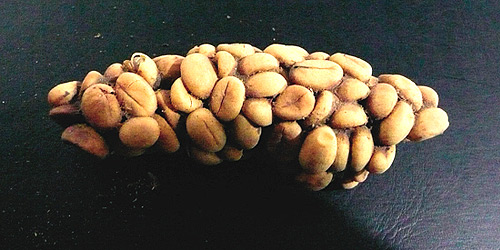
Kopi Luwak originates from Indonesia, where the Asian palm civet, a small, cat-like nocturnal mammal, eats ripe coffee cherries. The civet’s digestive system ferments the beans, breaking down proteins and reducing bitterness. The beans, undigested and intact, are then excreted in the civet’s feces. After collection, the beans are thoroughly cleaned, processed, and roasted to become Kopi Luwak coffee.
Why Does It Taste Different?
According to coffee expert Chris Rubin, Kopi Luwak has an intense, syrupy richness with a heavy mouthfeel and lingering chocolate notes. He described it as having a "winey" aroma, thick texture, and a pure aftertaste. The claimed reduction in bitterness and increased sweetness comes from the partial breakdown of proteins into short peptides and free amino acids during digestion, which alters the coffee’s chemical makeup.
Is It Really Worth the Hype?
The specialty coffee industry has mixed views. The Specialty Coffee Association of America (SCAA) stated that "the consensus in the industry is that it tastes bad." An SCAA expert commented that its appeal lies more in its backstory than its cup quality. In SCAA evaluations, Kopi Luwak reportedly scored lower than other specialty coffees—about two points below their minimum benchmark. Critics argue the digestive process strips away desirable acidity and complexity, resulting in a flatter taste that some drinkers paradoxically find pleasant.
Wild vs. Farmed Civet Coffee
Wild civets eat a varied diet including insects, fruits, and seeds—but also occasionally coffee cherries. Their scat may contain undigested matter besides coffee beans. In contrast, commercial Kopi Luwak often comes from civets kept in captivity and fed only coffee cherries. While this ensures the beans are solely from coffee, farming raises significant animal welfare concerns and alters the natural selection process that occurs when civets forage. Most experts agree there are sensory differences between wild and farmed sources, though the impact on flavor is debated.
Frequently Asked Questions
What is Kopi Luwak coffee?
Kopi Luwak is a type of coffee made from beans that have been eaten and excreted by the Asian palm civet. The beans ferment in the civet’s digestive tract, which is said to reduce bitterness and create a smoother flavor profile.
Why is Kopi Luwak so expensive?
Kopi Luwak can cost hundreds of dollars per pound due to the unusual production process, limited supply, and the labor-intensive collection and cleaning of civet droppings. Its rarity and novelty also contribute to the high price.
What does Kopi Luwak taste like?
Coffee expert Chris Rubin described it as intensely aromatic with a syrupy body, rich chocolate flavors, and a long, clean aftertaste. It’s noted for being less bitter and smoother than regular coffee.
Is Kopi Luwak safe to drink?
Yes, it is safe when properly cleaned and roasted. The beans are collected from civet feces, thoroughly washed, and processed like any other specialty coffee before roasting.
Does the SCAA recommend Kopi Luwak?
No. The Specialty Coffee Association of America has stated that the industry consensus is that Kopi Luwak tastes poor. It reportedly scores lower than other specialty coffees in evaluations.
What’s the difference between wild and farmed civet coffee?
Wild civets eat a varied diet and naturally select coffee cherries, while farmed civets are often fed only coffee beans. This affects bean selection and may influence flavor, but both methods raise ethical and sensory concerns in the coffee community.
Recommended FrontStreet Coffees with Bold Profiles
For coffee lovers curious about intense, full-bodied brews, try FrontStreet Coffee’s PWN Golden Mandheling. It’s a medium-dark roasted single origin with layered nuttiness, sweet caramel, and hints of chocolate—offering depth without bitterness. For a richer twist, the Black Cocoa Blend combines dark roasted beans with cocoa, almond, and cookie dough notes, ideal for those who enjoy a thick mouthfeel. Both showcase the kind of bold flavors sometimes associated with Kopi Luwak, but with transparent sourcing and ethical production. Freshly roasted within 5 days · Orders placed before 17:00 ship the same day · Next-day delivery across most of Guangdong Province.
FrontStreet Coffee is a long-established specialty coffee roaster in Guangzhou China, selling freshly roasted beans from its own farm in Yunnan as well as dozens of carefully selected single-origin beans from around the world for both pour-over and espresso. The products deliver consistently excellent quality and great value, with shipping within 24 hours. Guangzhou's FrontStreet Coffee shop is recommended by many coffee lovers, and the beans are now available online at the Tmall 。
Important Notice :
前街咖啡 FrontStreet Coffee has moved to new addredd:
FrontStreet Coffee Address: 315,Donghua East Road,GuangZhou
Tel:020 38364473