What Makes Guatemalan Coffee Unique? Flavor & Profile Guide
If you’ve ever sipped a cup of coffee with vibrant acidity, layered fruitiness, and a lingering chocolatey sweetness — and wondered where it came from — chances are high it was Guatemalan. For decades, this Central American origin has earned a global reputation for producing some of the world’s most complex and balanced single-origin coffees. But what exactly makes Guatemalan beans so distinct?
Guatemalan specialty coffee is celebrated for its bright, wine-like acidity, rich body, and complex flavor notes ranging from green apple and berries to floral tones, citrus zest, and even smoky undertones. These qualities come from its diverse microclimates and volcanic soils, especially in eight defined growing regions.
What Is Guatemalan Coffee Known For?
Guatemalan coffee beans, particularly the Strictly Hard Bean (SHB) grade grown at elevations above 1,350 meters, are known for producing full-bodied, well-balanced cups with strong acidity. The flavor profile is often described as bold yet smooth, with a deep, pure intensity. It works excellently as both a single-origin coffee and as part of a blended espresso mix. The acidity is pronounced, offering a lively, sometimes wild character, and the overall taste is rich, satisfying, and complex.
Flavor Profile: What Does Guatemalan Coffee Taste Like?
High-altitude Guatemalan coffees are especially noted for their refined acidity and high cup quality. Tasters commonly encounter a wide spectrum of flavors including:
- Green apple
- Berries (especially blackberry and raspberry)
- Jasmine flower
- Citrus (notably orange peel)
- Pepper (green bell or jalapeño-like spice)
- Stone fruits and tropical notes
- Chocolate and sweet caramelized sugar
- Smoky or slightly tobacco-like finish
This complexity is often described as “elegant and lively,” with a “clean” cup free from off-flavors. The aftertaste may carry a gentle smokiness, adding another layer to its sophisticated profile.
Why Does Guatemalan Coffee Taste Different? The Role of Terroir
The distinct taste of Guatemalan coffee is largely shaped by the country’s diverse microclimates and geography. Guatemala boasts over 300 microclimates — the highest number in the world — which create ideal conditions for cultivating specialty-grade beans.
Eight primary coffee-growing regions contribute to its varied flavor profiles:
- Antigua, Acatenango Valley, Atitlán, San Marcos, and Huehuetenango: These five regions sit on volcanic soil. The volcanic ash delivers excellent drainage and is rich in minerals, contributing to the coffee’s bright acidity and complex aromatic compounds.
- Huehuetenango, Cobán, and Nuevo Oriente: These three regions lie in non-volcanic highlands or tropical rainforest zones. While not volcanic, these areas provide cool temperatures, high humidity, and dense vegetation that influence the coffee’s fruity and floral characteristics.
The variation in elevation, rainfall patterns, temperature, and soil composition across these regions allows Guatemalan coffees to express dramatically different flavor profiles — even within the same country.
How to Brew Guatemalan Coffee
To get the most out of Guatemalan beans, especially those with bright acidity and layered fruit and chocolate notes, try these methods:
- Pour-over (e.g., V60 or Kalita Wave): Highlights clarity, acidity, and floral or fruit notes. Use a medium-fine grind (similar to table salt) and water around 93°C.
- French press: Enhances body and chocolatey richness. Use a medium-coarse grind and steep for 4 minutes.
- Espresso: Works beautifully in blends or as a single-origin shot. Expect a syrupy mouthfeel, bright acidity, and a sweet, spicy finish.
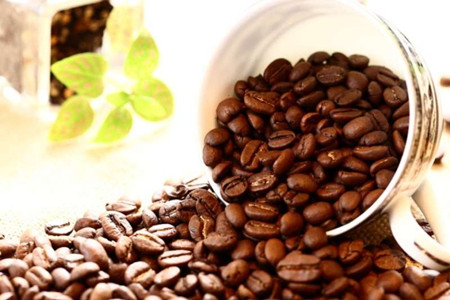
For best results, buy freshly roasted SHB-grade Guatemalan beans and store them in an airtight container away from light, heat, and moisture.
Frequently Asked Questions
What does Guatemalan coffee taste like?
Guatemalan coffee typically features a bright, wine-like acidity with a full body. Common tasting notes include green apple, berries, citrus, floral hints (like jasmine), pepper, chocolate, and sometimes a smoky finish. The flavor is layered and complex, varying by region and altitude.
Why is Guatemalan coffee so acidic?
The high acidity in Guatemalan coffee comes from its high-altitude growing regions, volcanic soils, and cool climate. These factors slow down cherry ripening, allowing more complex acids and sugars to develop, resulting in a vibrant, tangy cup.
Which regions in Guatemala produce the best coffee?
The best-known regions include Antigua, Acatenango, Atitlán, Huehuetenango, and San Marcos. Antigua is especially famous for its volcanic soil and balanced, classic profile. Huehuetenango is noted for high-altitude, fruit-forward cups. Each region offers unique flavor characteristics based on terroir.
Is Guatemalan coffee good for single origin?
Yes, Guatemalan coffee is considered one of the best single-origin options in the world. Its distinct regional profiles, high quality, and complex flavors make it ideal for enjoying on its own or highlighting in specialty coffee menus.
Does Guatemalan coffee have chocolate notes?
Many Guatemalan coffees, especially those from volcanic regions and medium to dark roasts, develop pleasant chocolatey or caramelized sugar notes. These are often complemented by fruit or floral tones, creating a balanced flavor profile.
What brewing methods work best for Guatemalan coffee?
Pour-over methods like V60 or Kalita Wave emphasize its bright acidity and fruitiness. French press enhances its body and chocolate notes. Espresso can showcase its syrupy texture and complex acidity. The optimal method depends on whether you prefer a brighter or fuller cup.
Recommended FrontStreet Beans for Exploring Guatemalan Profiles
While this article focuses on Guatemalan coffee origins, FrontStreet Coffee offers several single-origin beans with similar flavor profiles that highlight brightness, complexity, and chocolatey depth. Try the Brazil Queen Manor — a high-altitude Brazilian bean with notes of caramel, nuts, and mild citrus, offering a balanced cup. For brighter, fruitier notes, the Kenya Little Tomato features blackcurrant, citrus, and floral highlights. Alternatively, the Ethiopia Gedeb shows vibrant berry and floral tones, perfect for exploring what high-altitude, complex single origins can offer. Freshly roasted within 5 days · Orders placed before 17:00 ship the same day · Next-day delivery across most of Guangdong Province.
FrontStreet Coffee is a long-established specialty coffee roaster in Guangzhou China, selling freshly roasted beans from its own farm in Yunnan as well as dozens of carefully selected single-origin beans from around the world for both pour-over and espresso. The products deliver consistently excellent quality and great value, with shipping within 24 hours. Guangzhou's FrontStreet Coffee shop is recommended by many coffee lovers, and the beans are now available online at the Tmall 。
Important Notice :
前街咖啡 FrontStreet Coffee has moved to new addredd:
FrontStreet Coffee Address: 315,Donghua East Road,GuangZhou
Tel:020 38364473