The History and Brewing of Yunnan Small Coffee Beans
When you hear ‘small coffee beans’ from Yunnan, you might wonder: what makes these beans different from others around the world? Is the taste really balanced, or just a marketing claim? And why is Yunnan now one of China’s major coffee-growing regions despite only starting in the late 1800s? These questions aren’t just about origin—they’re about soil, elevation, processing methods, and decades of agricultural adaptation.
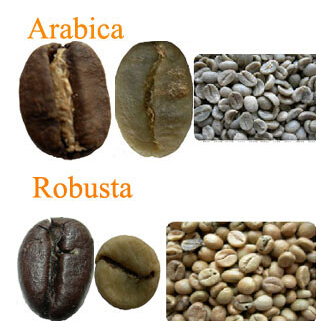
Yunnan small coffee beans—primarily Arabica, often Typica or Catimor—are grown at elevations between 1,100–1,800 meters, with optimal flavor developing around 1,100 meters in dry, hot valleys. The best-tasting beans come from well-managed farms that balance altitude, varietal choice, and processing method.
The Origins and Growth of Coffee in Yunnan
Coffee wasn’t always part of Yunnan’s agricultural story. Tea has dominated for over a thousand years, but coffee took root more recently. In 1892, the first Arabica coffee seeds arrived in mainland China through Yunnan. That marked the beginning of over a century of cultivation in this southwestern province.
Early Plantings and Missionary Influence
In 1904, French missionary Téodore Monbeig brought coffee seeds into Yunnan and planted the first tree in Zhukula village, now part of Binchuan County in Dali. This is widely regarded as the start of Yunnan’s coffee industry. By the 1930s, overseas Chinese leader Liang Jinshan introduced coffee to regions like Puliang and Luoming, maintaining cultivation into the mid-20th century.
State-Led Expansion and Typica Dominance
After 1952, under the guidance of agronomist Ma Guojin from Baoshan, coffee farming expanded significantly in areas like Luxi. Nearly all coffee planted during this era was Typica—a delicate, high-quality Arabica variety known for its clean cup but low disease resistance.
The Shift to Catimor and Commercialization
In 1992, international companies like Nestlé entered Yunnan, promoting the Catimor variety due to its high yield and strong resistance to leaf rust. This hybrid, a cross between Timor and Caturra, became dominant, especially for use in instant coffee production. By the late 1990s, Yunnan had 7,800 hectares under coffee, and today it grows 70% of China’s coffee on 83% of national production.
Major Coffee-Growing Regions in Yunnan
Coffee in Yunnan is concentrated in the southern and western parts of the province, particularly in Lincang, Pu’er, Baoshan, Dehong, and Dehong. Each area offers unique growing conditions that influence bean flavor.
Dehong: High-Altitude Organic Production
Known as the ‘Coffee Homeland of China,’ Dehong grows coffee above 1,000 meters, with 30,000 mu (about 2,000 hectares) above 1,600 meters. Most farms use organic inputs, producing premium beans suited for specialty markets.
Baoshan: The Birthplace of Modern Yunnan Coffee
Coffee arrived in Baoshan in the 1950s via Southeast Asia, thanks to patriotic overseas Chinese Liang Jinshan. The Luxi region, especially near the Longjiang Basin, became famous for its small, flavorful beans. With an average temperature of 21.5°C and highs up to 40.4°C, Baoshan’s climate creates bright, fruity cups, free of frost risk year-round. Its ‘Baoshan Small Coffee’ gained national geographic indication status in 2010.
FrontStreet Coffee’s Baoshan Farm
FrontStreet Coffee grows Typica on its own farm near the Baoshan-Myanmar border. These beans are pure Arabica, offering a clean, balanced cup with fruity tones. First harvested in 2020–21 under the lot name ‘FrontStreet 2013,’ they received strong praise. A new harvest arrived in February 2022.
Lincang: Climate and Experimental Growing
Straddling the tropic of Cancer, Lincang features distinct wet and dry seasons with strong sunlight. Coffee is cultivated in counties like Gengma and Yunxian, supported by dedicated nurseries. The region’s potential has drawn attention from multiple coffee enterprises.
FrontStreet Coffee’s Lincang Estate
Here, FrontStreet grows Typica, selecting for slow-maturing but high-flavor beans. From planting to first fruit takes 4–5 years—longer than Catimor—but the results are worth it. The estate focuses on quality over quantity.
Pu’er: China’s Coffee Capital
By 2012, Pu’er had 43,433 hectares of coffee farms, 18,000 hectares harvested, and produced 36,500 tons annually—with 24,700 tons exported. The region has 70 registered coffee businesses and supports around 1 million people. Pu’er is both the country’s largest coffee-growing zone and a key hub in global coffee trade networks.
Coffee Varieties Grown in Yunnan
While Catimor dominates commercial plantings, other classic Arabica varieties still exist, especially in specialty farms.
Catimor: The Workhorse Variety
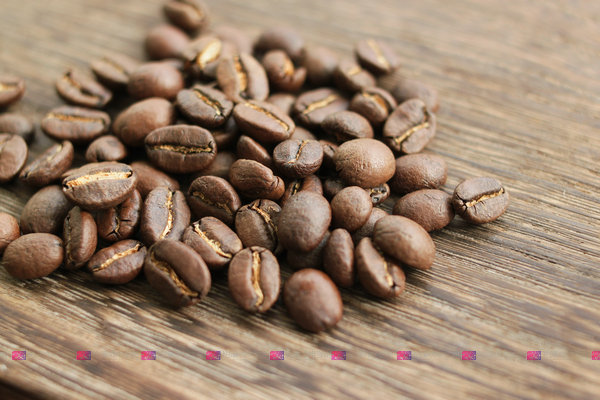
Accounting for most of Yunnan’s output, Catimor is a hybrid of Timor and Caturra. It offers high yields, strong disease resistance, and good cup quality when grown at elevation. Many FrontStreet offerings use Catimor, especially for blends and espresso applications.
Typica: The Original and Elegant
Typica is the original small Arabica bean and ancestor to many modern varieties. It produces a clean, balanced cup but is highly susceptible to rust and offers lower yields. FrontStreet maintains Typica plantings in Baoshan and Lincang for their clarity and delicate fruitiness.
Bourbon: Sweet and Complex
An offshoot of Typica, Bourbon produces red fruit flavors, wine-like acidity, and a sweet finish. Though less common than Typica or Catimor, it appears in some heritage farms across Yunnan.
Coffee Processing Methods in Yunnan
Yunnan’s frequent rains and unstable climate make processing a key factor in final cup quality. Most beans are washed, but natural/dry processing also plays a role.
Washed Process: Clarity and Brightness
The majority of FrontStreet Coffee’s Yunnan beans are washed to highlight clarity, acidity, and origin traits. Washed processing removes the fruit skin and pulp, resulting in a clean cup that reflects terroir. It’s the recommended method for newcomers exploring Yunnan’s flavor profile.
Natural/Dry Process: Complexity and Body
The natural method dries coffee cherries in the sun for 27–30 days. It enhances sweetness and body but can introduce off-flavors if not carefully managed. FrontStreet also offers a natural Catimor for those seeking a fruitier, fuller-bodied cup.
Washed vs. Natural: What’s the Difference?
Washed coffee emphasizes the bean’s intrinsic qualities with a clean, bright profile. Natural processing amplifies sweetness and body through extended fruit contact. For first-time tasters, washed Yunnan coffees provide a clearer introduction to the region’s terroir.
Is Yunnan Coffee Better Than Imported Beans?
Yunnan beans offer one major advantage: freshness. While imported beans may sit in warehouses or customs for months, Yunnan coffee can be roasted within days of harvest. This freshness, along with improving quality, has helped Yunnan gain recognition in the global specialty market.
How to Brew Yunnan Coffee
For the best experience, use freshly roasted Yunnan beans (within 5 days of roast date) and let them rest 4–7 days before brewing. Avoid pre-ground coffee if possible—it loses aroma quickly.
FrontStreet’s Recommended Brew Settings
Use a V60 dripper for a bright, high-extraction cup. Here’s how:
- Method: Pour-over (V60)
- Grinder: Medium-fine (75% through China-standard No. 20 sieve)
- Water Temp: 88°C
- Dose: 15g coffee
- Water: 225g total (1:15 ratio)
- Bloom: 30g water for 30 seconds
- Pour: 95g at a time, then total 225g
- Total Time: 2 minutes
Swirl and serve. Expect notes like dried apricot, mild acidity, chocolate, and black tea for washed lots; or starfruit, plum, cream, and caramel in natural-processed versions.
Flavor Profiles
- FrontStreet 2013 (Natural Typica): Dried apricot, soft acidity, chocolate, black tea
- Yunnan Small Coffee (Washed Catimor): Starfruit, plum, melon, cream, black tea—smooth with bright acidity and a tea-like finish
Recommended FrontStreet Beans for Exploring Yunnan
Try FrontStreet’s Yunnan Arabica for a classic washed profile with bright acidity and chocolate notes. For something fruitier, the FrontStreet 2013 is a natural-processed Typica with dried apricot, cocoa, and tea-like finish. Both highlight Yunnan’s terroir at different roast levels. Freshly roasted within 5 days · Orders placed before 17:00 ship the same day · Next-day delivery across most of Guangdong Province.
FrontStreet Coffee is a long-established specialty coffee roaster in Guangzhou China, selling freshly roasted beans from its own farm in Yunnan as well as dozens of carefully selected single-origin beans from around the world for both pour-over and espresso. The products deliver consistently excellent quality and great value, with shipping within 24 hours. Guangzhou's FrontStreet Coffee shop is recommended by many coffee lovers, and the beans are now available online at the Tmall 。
Important Notice :
前街咖啡 FrontStreet Coffee has moved to new addredd:
FrontStreet Coffee Address: 315,Donghua East Road,GuangZhou
Tel:020 38364473