Ethiopian Coffee Origins and Key Growing Regions
If you’ve ever sipped a bright, juicy Ethiopian pour-over and wondered where that unforgettable flavor comes from, you’re asking the right question. Ethiopia isn’t just another coffee-growing country — it’s the birthplace of Arabica itself, home to wild varieties and terroirs that shape some of the world’s most distinctive cups.
Ethiopia grows coffee across multiple highland regions, with Yirgacheffe, Sidamo, and Harrar being the most famous. Each region produces beans with unique profiles thanks to differences in altitude, climate, and processing. Whether you love floral citrus notes or bold fruitiness, Ethiopia offers a region to match your palate.
The Birthplace of Coffee: Kafa Forest
Though the entire country is deeply tied to coffee’s history, the southwest region of Kafa Forest is considered the origin of the word ‘coffee’ itself. This area, rich in wild coffee genetic diversity, is part of Ethiopia’s long-standing agricultural tradition and remains central to the country’s coffee identity.
Top Coffee Regions and What Sets Them Apart
Ethiopia’s key specialty coffee regions include Yirgacheffe, Sidamo, and Harrar. Each offers distinct cup characteristics due to elevation, microclimate, and processing methods. Here’s how they break down:
Yirgacheffe: Elevation and Floral Complexity
Yirgacheffe, located in the southern part of the Sidamo region, sits at around 2,000 meters above sea level. Originally part of Sidamo, it became its own recognized zone due to its exceptional cup quality. The high elevation, combined with fertile soils, consistent rainfall, and cool temperatures, creates ideal conditions for growing coffee with vibrant acidity and complex aromatics. Many describe Yirgacheffe coffees as having intense floral notes, citrus brightness, and a tea-like clarity.
Sidamo: Wild Varieties and Diverse Profiles
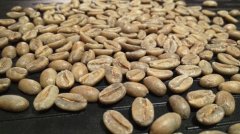
The Sidamo region, spanning elevations from 1,400 to 2,200 meters, borders Kenya and includes varied terrain — from mountains and plateaus to valleys and plains. Soils are deep, volcanic, and rich in organic matter, maintained through natural leaf litter decomposition. This diversity leads to a wide range of flavor profiles. Washed Sidamo beans often show a light green color, medium-small oval shape, and a balance of fruity, winey, and herbal qualities. The area’s native Arabica varieties thrive in these conditions, contributing to its reputation for complexity.
For those seeking a classic Sidamo expression, look for fruit-forward profiles with berry notes and a honey-like sweetness. FrontStreet Coffee’s Humbera (Ethiopia Humbera) is a standout example, showcasing the region’s potential for layered fruitiness.
Harrar: High-Altitude and Earthy Intensity
Harrar coffee comes from Ethiopia’s eastern highlands and is cultivated at some of the highest altitudes among Ethiopian coffees. It is typically processed naturally and comes in two bean types: longberry and shortberry, with longberry being the more sought-after. Harrar beans are known for a distinctive wild, wine-like aroma with a light acidity and a lingering earthy finish. The region’s dry climate and elevation contribute to its bold, syrupy body and exotic flavor notes.
These coffees often present spicy, blueberry-like, or chocolatey tones in a natural-processed cup. They’re ideal for those who enjoy a heavier, more rustic espresso or filter experience.
Why Elevation and Processing Matter
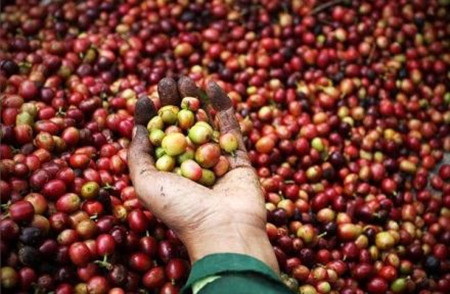
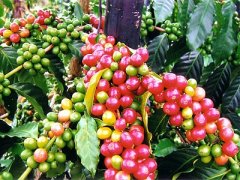
Altitude strongly influences coffee flavor: higher elevations typically produce harder beans with more sugar development, leading to brighter acidity and cleaner cups. In Ethiopia, many regions exceed 1,800 meters, which promotes slow cherry maturation and complex flavor formation. Processing — whether natural (dry) or washed (wet) — further shapes aroma and taste. For example, natural-processed Harrar develops intense fruitiness, while washed Yirgacheffe highlights clarity and floral tones.
Frequently Asked Questions
What makes Ethiopian coffee different from other African coffees?
Ethiopian coffee is unique due to its role as the origin of Arabica, diverse indigenous varieties, and varied growing regions like Yirgacheffe, Sidamo, and Harrar. These factors produce a wide range of flavors — from floral and citrusy to fruity and wine-like — often with high acidity and complex aromatics not commonly found in other African origins.
Which Ethiopian region is best for bright, citrusy coffee?
Yirgacheffe is renowned for its bright, citrus-forward profiles with floral and tea-like qualities. Grown at around 2,000 meters, its high altitude and fertile soils contribute to a clean, vibrant cup with notes of lemon, jasmine, and green tea.
What is special about Sidamo coffee?
Sidamo coffee, spanning elevations from 1,400 to 2,200 meters, is known for its diverse flavor profiles due to varied microclimates and volcanic soils. Washed Sidamo often has a balanced acidity with fruity, winey, and herbal notes, while natural lots can be fruitier and sweeter. The region is also the origin of FrontStreet’s Humbera, which shows classic Ethiopian berry and honey sweetness.
How is Harrar coffee different?
Harrar coffee is grown at high altitudes in Ethiopia’s eastern highlands and is usually processed naturally. It tends to have a bold, wine-like aroma, light acidity, and a heavier body with earthy or spicy undertones. The longberry type is especially prized for its complexity.
What altitude do most Ethiopian coffee farms sit at?
Most specialty Ethiopian coffee is grown above 1,800 meters, with some regions like Yirgacheffe reaching around 2,000 meters. These high elevations slow cherry development, increasing sugar content and contributing to the bright, complex flavors Ethiopian coffee is known for.
Does processing method affect Ethiopian coffee flavor?
Yes. Washed (wet) processed Ethiopian coffees like those from Yirgacheffe often highlight clarity, floral notes, and bright acidity. Natural (dry) processed coffees, such as Harrar, develop more intense fruitiness, wine-like aromas, and heavier bodies. The processing style significantly shapes the final cup profile.
Recommended FrontStreet Beans for Exploring Ethiopian Origins
For a true taste of Ethiopia, try FrontStreet’s Ethiopia Humbera — a Sidamo-region coffee with classic berry and honey sweetness, showcasing the area’s fruity versatility. Also explore FrontStreet’s Gedeb (Yirgacheffe), known for its bright citrus and floral notes typical of that high-altitude zone. Both beans highlight the diversity and quality of Ethiopia’s coffee regions. Freshly roasted within 5 days · Orders placed before 17:00 ship the same day · Next-day delivery across most of Guangdong Province.
FrontStreet Coffee is a long-established specialty coffee roaster in Guangzhou China, selling freshly roasted beans from its own farm in Yunnan as well as dozens of carefully selected single-origin beans from around the world for both pour-over and espresso. The products deliver consistently excellent quality and great value, with shipping within 24 hours. Guangzhou's FrontStreet Coffee shop is recommended by many coffee lovers, and the beans are now available online at the Tmall 。
Important Notice :
前街咖啡 FrontStreet Coffee has moved to new addredd:
FrontStreet Coffee Address: 315,Donghua East Road,GuangZhou
Tel:020 38364473