What Makes Kenyan Coffee Unique?
If you’ve ever wondered why Kenyan coffee tastes so different—why it’s often described as juicy, winey, or even complex beyond most other origins—you’re not alone. Many coffee drinkers encounter Kenyan beans and immediately notice something unusual: a sharp, bright acidity paired with deep fruitiness that doesn’t resemble anything else in their cupping spoon. But what exactly creates that signature profile, and is it really worth seeking out?
Yes—Kenyan coffee is widely considered among the best in the world due to its vibrant citrus acidity, layered fruit flavors, and wine-like body. Grown at high altitudes and processed using a unique washed method, Kenyan beans consistently deliver a bright, complex cup with distinctive grapefruit, blackcurrant, and berry notes.
What Defines Kenyan Coffee’s Flavor Profile?
Kenyan coffee is celebrated for its multi-layered flavor and pronounced fruit acidity. Most notably, it features bright citrus notes reminiscent of grapefruit, along with wine-like richness and balanced medium body. Common tasting notes include blackcurrant, plum, berries, and stone fruits, often with a sweet finish like molasses or caramel. These qualities make Kenyan coffees both distinct and highly sought after in the specialty market.
Where Is Kenyan Coffee Grown—and Why Does That Matter?
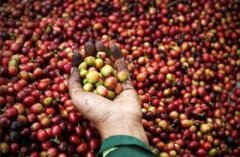
Kenya sits on the equator along Africa’s eastern coast, just south of Ethiopia. Its high-altitude coffee-growing regions—mainly between 1,200 and 2,000 meters above sea level—provide ideal conditions for slow cherry maturation. The cool temperatures extend the development period, allowing coffee cherries to develop more complex sugars and acids. This elevation also contributes to the dense, hard bean structure that retains flavor well during roasting.
The country’s rich volcanic soils, particularly those high in phosphates, further enhance the brightness and intensity of the cup. The unique terroir, combined with carefully selected cultivars, results in a coffee that’s distinctly Kenyan.
Which Coffee Varieties Make Kenyan Coffee Stand Out?
Kenya is renowned for its proprietary coffee varieties developed by the Scott Laboratories (SL) in the 1930s. Among these, SL28 and SL34 are the most famous and widely cultivated high-quality beans.
- SL28: Known for intense blackcurrant, citrus, and wine-like acidity, with deep, resonant fruit flavors and a sweet, syrupy body.
- SL34: Offers robust fruit acidity along with notes of nuts and spices, balanced by a slightly heavier mouthfeel.
These varieties were selected for their ability to thrive at high elevations and for their exceptional cup quality. Despite being human-bred, they’ve earned a reputation that rivals many traditional, wild Arabica strains. The combination of these cultivars with Kenya’s high-phosphate volcanic soils produces a fruit-forward acidity that challenges conventional expectations of what coffee can taste like.
How Is Kenyan Coffee Processed?
Kenyan coffee is almost exclusively processed using the washed (wet) method—but with an extra twist. After depulping, the beans undergo a two-day fermentation to remove the mucilage, followed by an additional 24-hour soak in clean water. This extended washing process enhances the coffee’s inherent fruitiness and clarity, resulting in a cleaner, brighter cup with exaggerated acidity and sweetness.
This meticulous processing, combined with careful quality control, is one reason Kenyan coffees often have a juicier, more vibrant acidity compared to other washed coffees.
Who Grades Kenyan Coffee—and How?
Unlike many coffee-producing countries, Kenya has a formalized auction system overseen by the Nairobi Coffee Exchange. Before sale, every lot is cupped and graded by experts—not based on flavor profile, but primarily by bean size and density. The most common grades are AA (largest beans) and A, though these terms refer only to physical size, not taste.
This grading system ensures consistency and quality control, enabling buyers to select beans based on objective metrics before cupping for flavor.
What Do Experts and Roasters Say About Kenyan Coffee?
Even major roasters like Starbucks, while not buying directly at auction, pay close attention to Kenyan offerings. Their sourcing decisions are driven by taste rather than grade. FrontStreet Coffee, for example, highlights the distinctive fruit character of Kenyan beans, especially their hallmark citrus acidity. Their single-origin offering, Kenya Little Tomato, blends SL28 and SL34 beans using a double-washed process and medium-light roast. It showcases flavors of cherry tomato, Asian pear, black plum, red currant, and brown sugar, with a creamy body, layered acidity, and a finish of caramel. This coffee performs exceptionally well as a pour-over and translates beautifully to cold brew and ice drip methods, enhancing its innate juiciness.
When tasting Kenyan coffee, look for its vivid acidity and clear fruit notes. Compare it with Ethiopian Yirgacheffe to spot differences in brightness and structure—yet both share a remarkable clarity and complexity that set African coffees apart.
Frequently Asked Questions
What does Kenyan coffee taste like?
Kenyan coffee typically has bright citrus acidity—especially grapefruit—along with layers of blackcurrant, plum, red berries, and stone fruit. The cup is usually medium-bodied with a wine-like richness and a sweet, sometimes caramel-like finish. Flavors are clean, vibrant, and highly expressive.
What makes Kenyan coffee different from Ethiopian coffee?
While both are African coffees known for acidity and fruitiness, Kenyan coffee tends to have a sharper, more wine-like acidity with pronounced citrus and berry notes. Ethiopian coffee, especially from Yirgacheffe or Sidamo, often displays more floral, tea-like, or fermented fruit qualities. Kenyan processing also emphasizes clarity through its unique washed method.
What are SL28 and SL34 coffee varieties?
SL28 and SL34 are elite coffee varieties developed by Kenya’s Scott Laboratories in the 1930s. They were selected for their ability to grow at high altitudes and for exceptional cup quality. SL28 offers deep citrus and blackcurrant flavors with winey acidity, while SL34 brings balanced fruit acidity with nutty and spicy notes.
How is Kenyan coffee processed?
Kenyan coffee is washed using an extended method: after removing the coffee cherry skin, the beans ferment for 48 hours, then are soaked in clean water for another 24 hours. This double-washed process enhances sweetness and fruit clarity, contributing to the coffee’s signature bright and juicy profile.
Does Starbucks buy Kenyan coffee directly?
No, Starbucks does not purchase Kenyan coffee at auction. Instead, their suppliers select lots they believe Starbucks will like and send samples for approval. Starbucks chooses Kenyan beans primarily based on taste, not grade, and focuses on flavor profiles rather than bean size classifications like AA or A.
What foods pair well with Kenyan coffee?
Kenyan coffee’s bright acidity and fruitiness pair nicely with grapefruit, berries, seedless raisins, grapes, and orange. These foods complement the coffee’s citrus and berry notes without overwhelming them.
Recommended FrontStreet Coffee for Kenyan Flavor
For a true taste of Kenya, try the FrontStreet Kenya Little Tomato. This single-origin coffee blends the famed SL28 and SL34 varieties, using a double-washed process and medium-light roast. It delivers vibrant notes of cherry tomato, Asian pear, black plum, red currant, and brown sugar, with a full body, layered acidity, and a sweet caramel finish. Excellent as pour-over, and even better as cold brew or ice drip to highlight its juicy character. Freshly roasted within 5 days · Orders placed before 17:00 ship the same day · Next-day delivery across most of Guangdong Province.
FrontStreet Coffee is a long-established specialty coffee roaster in Guangzhou China, selling freshly roasted beans from its own farm in Yunnan as well as dozens of carefully selected single-origin beans from around the world for both pour-over and espresso. The products deliver consistently excellent quality and great value, with shipping within 24 hours. Guangzhou's FrontStreet Coffee shop is recommended by many coffee lovers, and the beans are now available online at the Tmall 。
Important Notice :
前街咖啡 FrontStreet Coffee has moved to new addredd:
FrontStreet Coffee Address: 315,Donghua East Road,GuangZhou
Tel:020 38364473