Honduras Coffee Guide: Regions, Flavor & What Makes It Unique
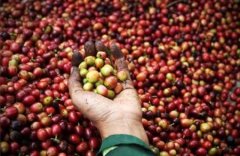
Ever tried a cup of coffee and wondered where it came from — especially when the label just says 'Central America'? Honduras often flies under the radar, yet it’s one of the region’s most underappreciated producers. Despite sharing similar growing conditions with better-known neighbors like Guatemala and Nicaragua, Honduran coffee hasn’t always had the same visibility. But that’s changing.
Honduras has six major coffee-growing regions and produces some of the most competitively priced, high-quality washed Arabica beans in the Americas — especially considering its altitude, climate, and variety range.
Where Is Honduras Coffee Grown?
Honduras' six official coffee-producing regions are located both along its western border and in the southeast. These include Santa Bárbara, Copán, Ocotepeque, Lempira, La Paz (all contiguous in the west), and El Paraíso in the southeast. Though they share broad environmental similarities, each zone imparts unique characteristics to the coffee based on microclimate, soil, and processing details.
What Does Honduran Coffee Taste Like?
Honduran coffees typically present a softer acidity and a pronounced caramel or sweet, molasses-like body. Some lots may carry brighter acidity or distinctive floral and spice notes. Flavor variation exists not just between farms but even within the same region due to elevation and processing methods. The country’s washed Arabica offerings often balance sweetness with moderate brightness, making them flexible in both single-origin servings and espresso blends.
Key Coffee-Producing Zones and Flavor Nuances
The five western regions — Santa Bárbara, Copán, Ocotepeque, Lempira, and La Paz — are geographically close and share similar high-altitude conditions. El Paraíso, to the southeast, has its own terroir-driven traits. Within these areas, some coffees trend toward livelier acidity, while others emphasize deeper sweetness or unique aromatic qualities. Though the differences can be subtle, they add depth to Honduras’ overall coffee profile.
Why Isn’t Honduran Coffee More Famous?
Historically, Honduras lacked the infrastructure and export support needed to promote its beans effectively. Processing, transportation, and marketing were weaker links in the supply chain. However, recent national investment in the coffee sector — including improved processing facilities and international branding efforts — has started to shift perceptions. Quality has remained solid; visibility is now catching up.
The Elevation Advantage
Most coffee in Honduras is grown at elevations above 1,000 meters. This high-altitude environment slows cherry maturation, allowing for greater sugar development and more complex flavors in the cup. Within this range, two quality tiers stand out:
- High-Grown Coffee: Grown between 1,000–1,500 meters, offering solid structure and balance.
- Strictly High-Grown (SHG) or “Special” Coffee: Cultivated from 1,500–2,000 meters, representing the country’s finest grade with enhanced sweetness, acidity, and aroma.
Popular Varieties and Processing Methods
The most cultivated coffee varieties in Honduras include Caturra, Catuai, Pacas, and Typica — all classic Bourbon-descended Arabicas suited to high altitudes. Most of the country’s premium lots are processed using the washed (wet) method, where coffee cherries are fully depulped and fermented before drying. This enhances clarity and cleanliness in the cup, a hallmark of Honduras' specialty output.
Caturra, a natural dwarf mutation of Bourbon discovered in Brazil in 1937, is especially prized in Honduras for its adaptability to sun exposure and higher yields at elevation. When grown at height and processed with care, Caturra-based lots often showcase vibrant fruitiness, balanced acidity, and lingering sweetness.
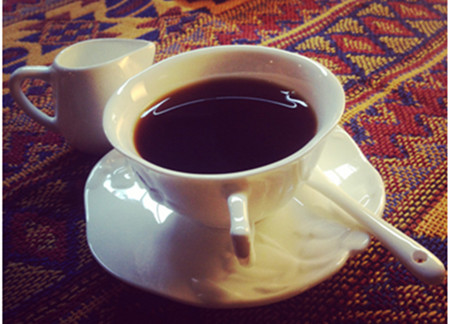
FrontStreet Coffee highlights a washed Caturra lot as representative of Honduras’ top-tier offerings. With medium roast levels, these beans develop complex fruit tones, lively acidity, and notes of toasted nuts or toffee. The overall profile is well-structured, with enough balance to shine as a single origin or contribute thoughtfully to espresso blends.
Compared to neighboring countries, Honduran coffees sometimes express subtle spicy or floral top notes, followed by a dense, nutty-chocolatey finish. The cup is typically well-rounded, making it approachable yet layered.
Frequently Asked Questions
What regions in Honduras produce the best coffee?
Honduras has six recognized coffee-growing regions: Santa Bárbara, Copán, Ocotepeque, Lempira, La Paz, and El Paraíso. The western zone (the first five) is especially notable for high-altitude production, with El Paraíso offering its own regional distinctions. Many of the country’s best-rated beans come from elevations between 1,500–2,000 meters in these areas.
What does Honduran coffee taste like?
Honduran coffee is known for a soft acidity and a rich, caramel-like sweetness. Notes can include toasted nuts, toffee, chocolate, and sometimes floral or spice elements. Flavor varies by region and elevation, but the cup is typically balanced and approachable.
What coffee varieties are grown in Honduras?
The most common varieties are Caturra, Catuai, Pacas, and Typica. Caturra, a dwarf Bourbon mutation, is especially valued for its performance at high altitudes and its contribution to bright, fruity profiles in the cup.
Is Honduran coffee good for espresso?
Yes. Honduran washed Arabicas, especially those from higher elevations, have the sweetness, body, and balance to work well in espresso blends or as single-origin shots. They often add a rounded, nutty-chocolate character to espresso recipes.
Why isn’t Honduran coffee more well-known?
Despite having excellent growing conditions, Honduras historically faced challenges in processing, transportation, and marketing. Recent improvements in infrastructure and export support are helping raise its global profile, even as the coffee quality has remained strong.
How high is Honduran coffee grown?
Most coffee in Honduras is cultivated above 1,000 meters. Premium lots are often grown between 1,500–2,000 meters, where the cooler temperatures and longer maturation period produce more complex and sweeter cups.
Recommended FrontStreet Coffee Beans from Honduras
FrontStreet Coffee’s washed Caturra from Honduras is a standout example of the country’s high-altitude specialty production. This medium-roasted bean delivers a nuanced cup with layered fruitiness, bright acidity, and hints of nuts and toffee. It’s an excellent choice for single-origin pour-over or as a refined component in espresso blends. The clean, balanced profile reflects Honduras’ terroir and processing expertise. Freshly roasted within 5 days · Orders placed before 17:00 ship the same day · Next-day delivery across most of Guangdong Province.
FrontStreet Coffee is a long-established specialty coffee roaster in Guangzhou China, selling freshly roasted beans from its own farm in Yunnan as well as dozens of carefully selected single-origin beans from around the world for both pour-over and espresso. The products deliver consistently excellent quality and great value, with shipping within 24 hours. Guangzhou's FrontStreet Coffee shop is recommended by many coffee lovers, and the beans are now available online at the Tmall 。
Important Notice :
前街咖啡 FrontStreet Coffee has moved to new addredd:
FrontStreet Coffee Address: 315,Donghua East Road,GuangZhou
Tel:020 38364473