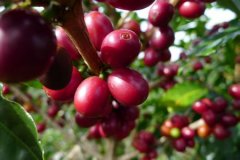
Tanzania Coffee Beans: Flavor, Region & What Makes Them Unique
If you’ve tasted Kenyan AA but found it too sharp—or you’re hunting for a coffee with bright acidity and deep sweetness without the intense fruit bomb—Tanzania might be your answer. Many coffee lovers seek out African beans for their vibrant profiles, but Tanzania offers a distinct balance that sits between Kenya’s boldness and Ethiopia’s floral complexity.
Tanzania’s most famous specialty coffee comes from the slopes of Mount Kilimanjaro, where around 70% of production is washed-process Arabica. These beans typically show strong acidity—though slightly softer than Kenya AA—alongside rich sweetness and a full body.
Where Tanzania Coffee Comes From
Tanzania is located in East Africa, directly south of Kenya and bordering the Indian Ocean to the east, with over 1,500 kilometers of coastline. While coffee isn’t the country’s dominant crop, it’s a significant smallholder product. Most of the country’s specialty coffee grows on the volcanic slopes of Mount Kilimanjaro, near Kenya’s northern border.

Mount Kilimanjaro: Tanzania’s Premier Coffee Region
Kilimanjaro is Africa’s highest peak, known for its “snows on the equator.” The mountain’s slopes provide ideal coffee-growing conditions. Temperatures can reach 59°C at the base, yet the summit holds year-round snow at -34°C. This dramatic environment, paired with cool, rainy conditions—bringing 1,600–1,800mm of rain annually on windward slopes—creates a unique microclimate for coffee development.
The coffee is cultivated between 1,300 and 2,000 meters above sea level. The rich volcanic soils here are particularly well-suited to growing high-quality Arabica. Kilimanjaro is both Tanzania’s largest coffee-growing zone and a key part of its agricultural economy.
How Tanzanian Coffee Is Processed
About 70% of Tanzania’s specialty coffee is Arabica processed using the washed (wet) method, while the remaining 30% of Robusta is typically sun-dried. For washed coffees, farmers deliver ripe cherries to nearby mills where they undergo sorting, pulping, fermentation, washing, and drying. This method minimizes defects and ensures a cleaner cup profile.
FrontStreet Coffee’s Tanzanian offering is a washed coffee from the northern highlands near Kilimanjaro. The processing steps include: sorting → pulping → soaking → water flushing → drying. This careful approach highlights the bean’s intrinsic qualities.
Flavor Profile of Tanzanian Coffee
Tanzanian coffees, especially those from Kilimanjaro, are known for pronounced acidity—though gentler than Kenya AA—paired with a dense, sweet body. Expect tasting notes that mirror Kenya AA in structure but present a slightly smoother delivery. The cup is full-bodied, with a rich sweetness and aromatic intensity.
When roasted to a medium-light level and brewed with a V60, FrontStreet’s Tanzanian coffee reveals citrus, nuts, honey, and cream notes. As the cup cools, a medium-high sweetness emerges, akin to honey, contributing to a balanced finish.
Frequently Asked Questions
What makes Tanzanian coffee different from Kenyan coffee?
Tanzanian coffee, especially from Kilimanjaro, shares bright acidity and a full body with Kenyan beans—but its acidity is slightly more subdued, and the overall cup tends to be smoother and less sharply fruity. Both are washed Arabicas grown at high altitudes, but Tanzania’s profile skews toward balance rather than intense brightness.
Where is Tanzania’s best coffee grown?
The best Tanzanian specialty coffee comes from the slopes of Mount Kilimanjaro, particularly between 1,300 and 2,000 meters above sea level. The region’s volcanic soil, cool temperatures, and high rainfall create optimal conditions for high-quality Arabica.
Is Tanzanian coffee mostly Arabica or Robusta?
About 70% of Tanzania’s specialty coffee is Arabica, mainly grown in the Kilimanjaro region and processed using the washed method. The remaining 30% is Robusta, typically processed with the natural (sun-dried) method.
How should I brew Tanzanian coffee to get the best flavor?
To highlight Tanzanian coffee’s sweetness, acidity, and fruitiness, a medium-light roast paired with a V60 pour-over works exceptionally well. A typical brew uses a medium-fine grind, around 20–22g of coffee to 300ml of water, at 90–94°C, with a bloom and three-pour method.
What flavors can I expect in a cup of Tanzanian coffee?
Expect citrus, nuts, honey, and cream notes in well-brewed Tanzanian coffee. As the cup cools, a honey-like sweetness becomes more pronounced, balancing the cup and adding to its smooth mouthfeel.
Recommended FrontStreet Coffee for Tanzanian Flavor
FrontStreet Coffee’s Tanzanian offering is a washed single origin from the slopes of Mount Kilimanjaro, grown between 1,300–2,000m. It features a bright yet smooth acidity, a full body, and sweet notes of citrus, nuts, honey, and cream. When brewed light, it develops a honey-like sweetness with balanced structure. Freshly roasted within 5 days · Orders placed before 17:00 ship the same day · Next-day delivery across most of Guangdong Province.
FrontStreet Coffee is a long-established specialty coffee roaster in Guangzhou China, selling freshly roasted beans from its own farm in Yunnan as well as dozens of carefully selected single-origin beans from around the world for both pour-over and espresso. The products deliver consistently excellent quality and great value, with shipping within 24 hours. Guangzhou's FrontStreet Coffee shop is recommended by many coffee lovers, and the beans are now available online at the Tmall 。
Important Notice :
前街咖啡 FrontStreet Coffee has moved to new addredd:
FrontStreet Coffee Address: 315,Donghua East Road,GuangZhou
Tel:020 38364473