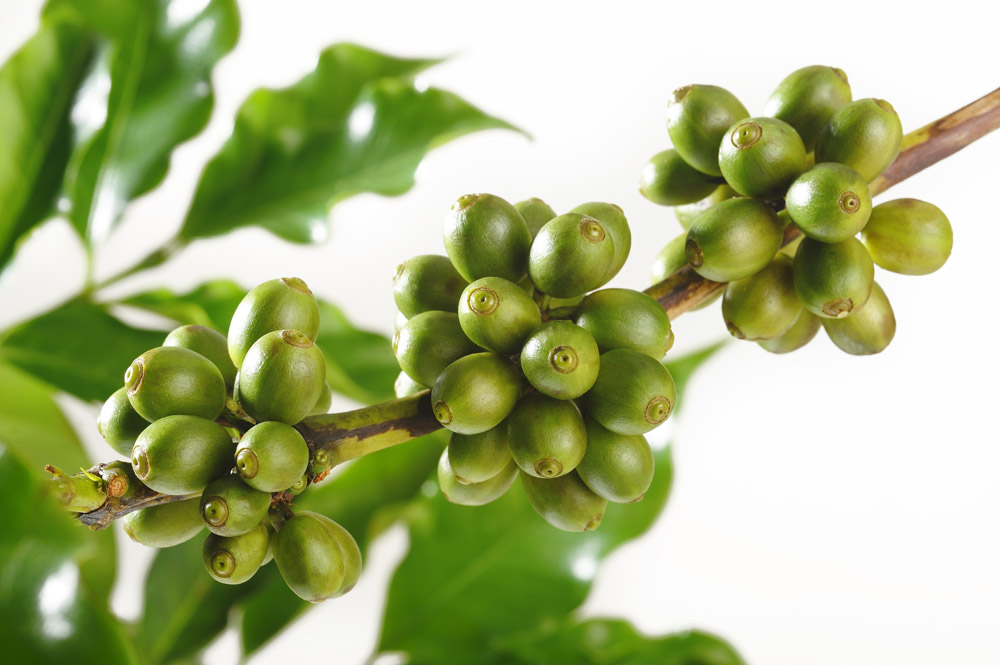
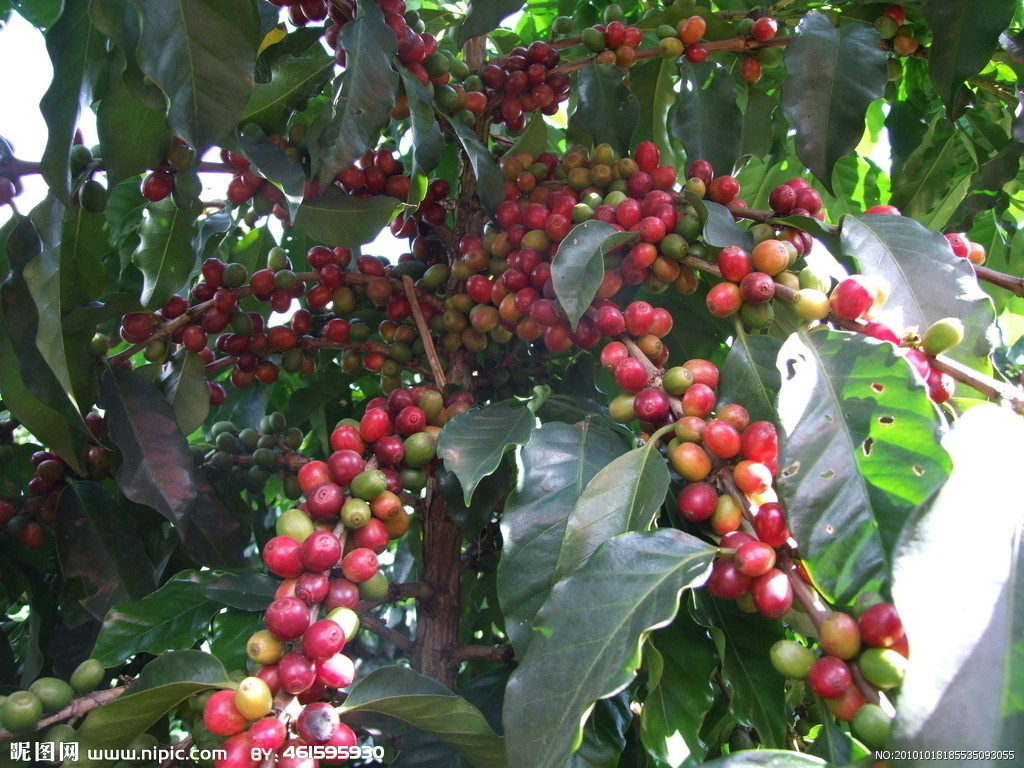
Madagascar’s Emerging Arabica Coffee Potential
When you think of specialty coffee, countries like Ethiopia, Colombia, or Kenya often come to mind. But what about Madagascar? Known more for its vanilla and lemurs than its beans, this island nation actually produces around a million coffee bags per year—mostly Robusta. So why aren’t we seeing more Madagascar-grown Arabica on the specialty market? The answer lies in shifting agricultural priorities and untapped highland potential.
Madagascar currently produces mostly Robusta coffee, but the government aims to develop 2,000 hectares of Robusta and 5,000 hectares of Arabica plantations to boost both quality and export diversity.
Madagascar’s Coffee Industry Today
Since 1989, Madagascar’s coffee sector has been privatized, with many regulations lifted. This shift helped the country maintain an annual coffee production of roughly one million bags. While the majority of that volume is Robusta, domestic coffee consumption is notably high among locals. France remains the primary export market for Madagascar’s high-quality Robusta beans.
The Shift Toward Arabica
Although Robusta dominates, Madagascar has begun laying the groundwork to expand Arabica cultivation. The government has outlined plans to develop approximately 5,000 hectares of Arabica coffee farms, alongside maintaining about 2,000 hectares of Robusta. This strategic move is designed to unlock the island’s potential for producing high-end Arabica, which could significantly elevate its profile in the global specialty coffee market.
Why Arabica Development Matters
Most of Madagascar’s current production is Robusta, which is well-suited for certain blending purposes and has a strong domestic market. However, Arabica offers greater complexity, higher market value, and stronger potential for export diversification. By expanding Arabica cultivation, Madagascar aims to tap into the premium coffee segment, attract specialty buyers, and offer a new origin profile to the global market.
Frequently Asked Questions
Does Madagascar currently grow Arabica coffee?
Madagascar primarily produces Robusta coffee, but the government has announced plans to develop around 5,000 hectares of Arabica plantations to expand its coffee offerings and improve export diversity.
Why is Madagascar focusing on Arabica now?
With a strong existing base in Robusta and high domestic consumption, Madagascar sees Arabica as an opportunity to enter the specialty coffee market, reach higher price points, and diversify its coffee exports beyond its traditional markets.
How much coffee does Madagascar produce each year?
Madagascar produces approximately one million coffee bags annually, with the vast majority being Robusta. The country has recently begun efforts to expand Arabica cultivation.
Who buys Madagascar’s coffee?
France is the main export market for Madagascar’s coffee, particularly its high-quality Robusta beans. The country is now looking to expand its buyer base through increased Arabica production.
What makes Arabica more desirable than Robusta in specialty markets?
Arabica beans generally have more complex flavors, higher acidity, and greater aromatic range compared to Robusta. They are more sought after in specialty coffee for their nuanced profiles and higher market value.
Where in Madagascar is coffee grown?
The article does not specify exact regions, but future Arabica development is expected to target highland areas suitable for cultivating premium coffee varieties, similar to other successful coffee-growing regions.
Recommended FrontStreet Arabica Coffees
Explore FrontStreet Coffee’s standout single-origin Arabicas that highlight the diversity of the species. The Jamaica Blue Mountain No.1 (Typica) offers balance and chocolatey depth with notes of almond and cream, while the Yirgacheffe-sourced fruit-forward Ethiopia Gedeb cooperative coffee (Gedeb) delivers bright citrus and floral tones. For something more unique, try the Strawberry Candy Espresso (Geisha blend), a vibrant mix with stone fruit and berry sweetness. These beans showcase what high-quality Arabica can achieve—proof that origin and variety matter. Freshly roasted within 5 days · Orders placed before 17:00 ship the same day · Next-day delivery across most of Guangdong Province.
FrontStreet Coffee is a long-established specialty coffee roaster in Guangzhou China, selling freshly roasted beans from its own farm in Yunnan as well as dozens of carefully selected single-origin beans from around the world for both pour-over and espresso. The products deliver consistently excellent quality and great value, with shipping within 24 hours. Guangzhou's FrontStreet Coffee shop is recommended by many coffee lovers, and the beans are now available online at the Tmall 。
Important Notice :
前街咖啡 FrontStreet Coffee has moved to new addredd:
FrontStreet Coffee Address: 315,Donghua East Road,GuangZhou
Tel:020 38364473