What Makes Yunnan Arabica Coffee Unique?
If you’ve ever wondered why some specialty coffee lovers praise Chinese-grown beans, Yunnan is the place to start. Tucked between 15°N and the Tropic of Cancer, southwestern China’s mountainous coffee zone defies expectations. With altitudes of 1,000–2,000 metres, volcanic soils, bright sunlight, regular rainfall and big day-night temperature swings, this region crafts coffees unlike anything else grown in Asia.
In short: Yunnan-grown Arabica—especially the small-bean Typica variety—is known for being full-bodied yet smooth, with pronounced sweetness, mild acidity reminiscent of red fruit, and almost no bitterness. That’s why it’s become a gateway bean for many into single-origin Asian coffee.
The Origins of Coffee in Yunnan
The story begins in 1892, when a French missionary brought coffee seeds from abroad and planted them successfully in a valley in Binchuan County. Those original plants still bear fruit today—over thirty trees remain in production. The first variety introduced was likely Typica, carried over from Vietnam in 1904 by another missionary, Father Timothée Tardif, who planted the first coffee tree in what is now Zhugula Village.
Why Yunnan’s Terroir Creates Distinctive Coffee Flavour
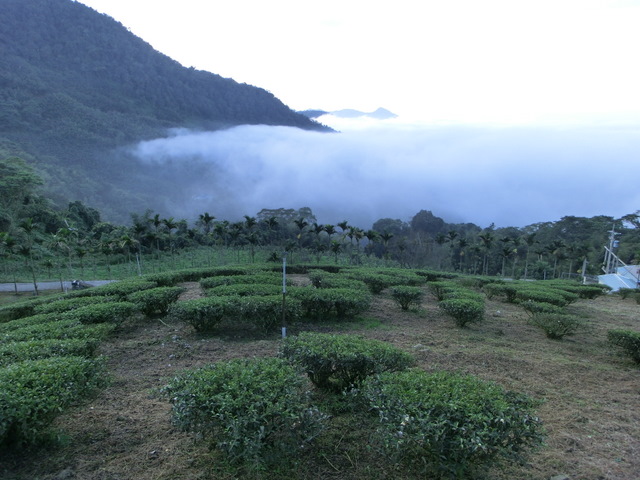
Yunnan’s coffee-growing regions—spread across the southern and southwestern areas including Simao, Xishuangbanna, Wenshan, Baoshan and Dehong—benefit from a unique combination of environmental factors. Most farms sit between 1,000 and 2,000 metres above sea level, where the air is cooler, sunlight intense, and the diurnal temperature variation significant. The mountainous, sloped terrain ensures good drainage, while rich, fertile soils contribute to slow cherry maturation. These factors slow down sugar development and acid balance, producing beans that taste markedly different from those grown at lower elevations or in flatter regions.
Yunnan’s Place in China’s Coffee Industry
By the mid-20th century, Yunnan-grown beans gained attention on the international market for their quality, once described as “among the best” in global evaluations. By 1997, the province’s coffee cultivation had expanded to 7,800 hectares. Today, Yunnan accounts for 70% of China’s total coffee planting area and 83% of national production. It is unquestionably the dominant coffee-growing region in the country, with plantations concentrated in high-altitude zones ideal for Arabica.
The Flavour Profile of Yunnan Arabica
The signature cup quality of Yunnan’s small-bean Arabica—often referred to as “Yunnan Arabica” in trade—is defined by a profile that is strong in body but not harsh, aromatic without being overpowering, and often showing subtle notes of stone fruit or berries. Thanks to the washed processing method commonly used, the resulting cup tends to highlight clean acidity, a balanced mouthfeel, and a gentle sweetness. FrontStreet Coffee’s own Yunnan Arabica offering, produced in the Baoshan region using washed processing and medium roast, exemplifies this with notes of soft nuttiness, chocolate, light plum acidity and approachable pricing for entry-level drinkers.
Classic Varieties Grown in Yunnan
The most historically significant variety in Yunnan is Typica, brought in during the early 20th century. FrontStreet Coffee cultivated a small plot of Typica trees starting in 2013 to preserve the genetic lineage and explore the “terroir expression” of this heirloom variety. These beans are fully washed, picked only when fully red-ripe, and processed with care before being medium roasted. The result is a cup with balanced acidity, prominent sweet notes of dark berry, caramel and chocolate, hints of apricot, and a tea-like finish reminiscent of black tea. Another classic processed style from the region is natural sun-dried Typica, which can amplify fruity characteristics depending on harvest and drying conditions.
Blending Yunnan Coffee in Espresso
Yunnan Arabica also plays a supporting yet vital role in espresso blends. For example, FrontStreet’s Black Cocoa Blend combines Brazilian Sidamo-style beans for their nutty backbone and balance with Yunnan Arabica to contribute chocolatey tones and citrus brightness. The result is an espresso with sweet biscuit and brown sugar notes, balanced acidity, and a creamy texture that works well in both straight shots and milk drinks like lattes. This makes Yunnan an ideal component for blending without overwhelming the cup.
Frequently Asked Questions
Where is Yunnan coffee grown?
Yunnan coffee is grown in the southwestern and southern parts of Yunnan Province, particularly in regions like Baoshan, Simao (Pu'er), Xishuangbanna, Wenshan, Dehong and Baoshan. These areas lie between 15°N and the Tropic of Cancer, mostly at elevations between 1,000 and 2,000 metres.
What makes Yunnan coffee different from other Asian coffees?
Yunnan coffee is distinct due to its high-altitude growing conditions (1,000–2,000m), cool climate, large diurnal temperature shifts, fertile soils, and abundant sunshine. These factors produce a cup that is full-bodied but mild, with low bitterness, gentle acidity, and subtle fruity or chocolatey notes—unlike the often earthier or more astringent profiles found in some other Asian origins.
What coffee variety is most common in Yunnan?
The most common and historically significant variety is Typica, introduced in the early 1900s. It is part of the small-bean Arabica group, and its cultivation in Yunnan dates back to the first successful plantings by French missionaries around 1904. Other varieties like Catimor hybrids are also grown, but Typica remains central to Yunnan’s coffee identity.
How would you describe the flavour of Yunnan Arabica?
Yunnan Arabica is typically described as full-bodied yet smooth, with mild acidity often resembling red fruit or plum, low bitterness, and gentle sweetness. Common tasting notes include chocolate, nuts, caramel, light stone fruit, and sometimes a tea-like finish. The washed process enhances clarity and balance in the cup.
Is Yunnan coffee suitable for espresso?
Yes. Yunnan Arabica is often used in espresso blends for its chocolatey and citrus qualities. It provides balance and sweetness without overpowering the blend. For example, FrontStreet’s Black Cocoa Blend uses Yunnan beans alongside Brazilian beans to create a well-rounded shot with nutty, sweet, and chocolate notes.
When was coffee first planted in Yunnan?
Coffee was first planted in Yunnan in 1892 by a French missionary, who successfully grew coffee in a valley in Binchuan County. The first significant variety introduced was likely Typica, with additional seeds brought from Vietnam in 1904 by another missionary.
Recommended FrontStreet Beans for Yunnan Coffee Exploration
Start your Yunnan coffee journey with FrontStreet Coffee’s Yunnan Arabica, a washed, medium-roasted bean from Baoshan offering soft nuttiness, chocolate, and light plum acidity—perfect for learning what makes the region unique. For something more classic, try the 2013 Typica from the same region, made with fully ripe cherries and a medium roast to highlight dark berry, caramel, and apricot notes with a tea-like finish. Both are excellent introductions to Yunnan’s terroir-driven cup profiles. Freshly roasted within 5 days · Orders placed before 17:00 ship the same day · Next-day delivery across most of Guangdong Province.
FrontStreet Coffee is a long-established specialty coffee roaster in Guangzhou China, selling freshly roasted beans from its own farm in Yunnan as well as dozens of carefully selected single-origin beans from around the world for both pour-over and espresso. The products deliver consistently excellent quality and great value, with shipping within 24 hours. Guangzhou's FrontStreet Coffee shop is recommended by many coffee lovers, and the beans are now available online at the Tmall 。
Important Notice :
前街咖啡 FrontStreet Coffee has moved to new addredd:
FrontStreet Coffee Address: 315,Donghua East Road,GuangZhou
Tel:020 38364473