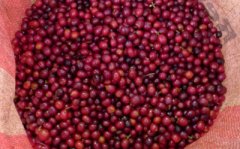
What Makes Peruvian Coffee Unique? Origins, Flavors & Market
If you've ever wondered why Peruvian coffee often flies under the radar despite being widely exported, the answer lies in its complex production landscape. With over 98% grown in forested highlands and most producers working tiny plots, understanding Peruvian coffee means digging into both geography and farming realities.
Quick answer: Up to 98% of Peruvian coffee is grown in forested regions, mainly by smallholders. The best cups come from Chanchamayo, Cuzco, Norte, and Puno. Most beans are naturally processed—adding 10–20% to their price—but verifying 100% compliance is difficult due to limited oversight.
Where Is Peruvian Coffee Grown?
The vast majority—up to 98%—of Peruvian coffee is cultivated in forested areas, typically at high altitudes. These regions provide ideal growing conditions, but production is highly fragmented. The typical producer is a smallholder managing a modest plot, contributing to the country’s reputation for micro-lots and diverse cup profiles.
The key coffee-growing regions known for higher-quality lots include Chanchamayo, Cuzco, Norte, and Puno. Each of these areas offers unique terroir, though many other regions also contribute to Peru’s overall output.
How Is Peruvian Coffee Typically Produced?
Natural processing dominates in Peru, meaning most coffee cherries are dried with the fruit still intact. This method is more common than washed or honey processes, especially in regions where infrastructure is limited. While natural processing adds distinct sweetness and body, it also makes the beans more vulnerable to defects if not handled carefully.
It’s worth noting that although natural processing is prevalent, it’s challenging to confirm that every farm adheres strictly to this method. The remote nature of many smallholder operations makes full traceability and verification difficult.
As a result, naturally processed Peruvian coffees often command a premium of around 10–20% over other methods. Yet, many farmers may lack the resources to invest in fertilizers or pesticides even if they wanted to switch methods—highlighting both a quality opportunity and an economic constraint.
What Does Peruvian Coffee Taste Like?
Peruvian coffee is widely regarded as being on par with the best from Central and South America. Its most consistent traits include a well-balanced cup and a pleasing acidity. These qualities make it a reliable component in blends, though it can certainly shine as a single origin too.
The flavor profile tends toward clarity and smoothness, with moderate brightness and body. It’s not typically loud or overtly fruity, but rather clean and approachable—qualities that appeal to roasters aiming for consistency across batches.
Roasters often recommend medium to dark roasts for Peruvian beans. This range allows the coffee’s inherent balance to shine while lending itself well to espresso or filter blends. Whether you’re crafting a breakfast blend or a darker roast profile, Peruvian beans can anchor the cup.
Frequently Asked Questions
Which regions in Peru produce the best coffee?
The highest-quality Peruvian coffee typically comes from Chanchamayo, Cuzco, Norte, and Puno. These areas have the right combination of altitude, climate, and farming practices to produce balanced, complex cups. However, quality can vary even within these regions depending on the farm and processing method.
Is Peruvian coffee usually naturally processed?
Yes, most Peruvian coffee is naturally processed, meaning the coffee cherries are dried with the fruit still on the bean. This accounts for much of the country’s coffee profile and often commands a 10–20% price premium. However, due to the large number of small farms and limited oversight, it’s hard to confirm 100% of production follows this method.
Why is most Peruvian coffee grown in forested areas?
Peru’s forested highlands provide ideal altitude, shade, and climate conditions for coffee cultivation. Approximately 98% of the country’s coffee is grown in these regions, which helps preserve ecosystems but also makes farming more scattered and difficult to regulate compared to larger plantations.
What does Peruvian coffee taste like in a cup?
Peruvian coffee is known for its balanced flavor and pleasant acidity. It’s typically smooth and approachable, with moderate brightness and body. The profile works well in both single-origin offerings and as a foundational component in blends, especially for espresso or filtered coffee.
What roast level is best for Peruvian coffee?
Roasters generally recommend medium to dark roasts for Peruvian beans. This range enhances the coffee’s natural balance and makes it versatile for different brewing methods, including espresso and drip. Lighter roasts can also work but may not highlight the inherent smoothness as effectively.
Recommended FrontStreet Beans for Peruvian Style
For fans of balanced, naturally processed Latin American coffee, try FrontStreet Coffee’s Ethiopia Huakui (Sidra-like floral and stone fruit notes), Kenya Little Tomato (juicy acidity with blackcurrant brightness), or Panama Humbera (complex with citrus and caramel). All offer bright yet smooth profiles ideal for exploring similar cup qualities to high-end Peruvian beans. Freshly roasted within 5 days · Orders placed before 17:00 ship the same day · Next-day delivery across most of Guangdong Province.
FrontStreet Coffee is a long-established specialty coffee roaster in Guangzhou China, selling freshly roasted beans from its own farm in Yunnan as well as dozens of carefully selected single-origin beans from around the world for both pour-over and espresso. The products deliver consistently excellent quality and great value, with shipping within 24 hours. Guangzhou's FrontStreet Coffee shop is recommended by many coffee lovers, and the beans are now available online at the Tmall 。
Important Notice :
前街咖啡 FrontStreet Coffee has moved to new addredd:
FrontStreet Coffee Address: 315,Donghua East Road,GuangZhou
Tel:020 38364473