Costa Rica Coffee Guide: Tarrazú and Specialty Beans
If you’ve ever sipped a bright, clean cup of coffee with notes of citrus and caramel and wondered where it came from, chances are it’s from Costa Rica. More specifically, it might be from the volcanic highlands of Tarrazú — one of the country’s most celebrated coffee-growing regions. But what makes Costa Rican coffee so consistently good, and why does altitude matter so much? Let’s break it down.
The short answer: Costa Rica’s best coffee comes from high-altitude regions like Tarrazú (1,500+ meters), where volcanic soil, cool nights, and precise farming produce sweet, balanced beans. The country produces 1,700 kg of coffee per hectare, with over 400 million coffee trees for just 3.5 million people. Tarrazú alone accounts for some of the most sought-after lots, including the limited-production La Minita.
Why Tarrazú Produces Premium Coffee
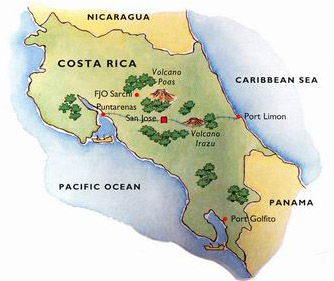
Tarrazú, located south of the capital San José, is one of Costa Rica’s most respected coffee regions. The area benefits from volcanic, well-draining soils and high altitudes — typically between 1,700 and 1,800 meters — which create a big diurnal temperature swing. This helps develop complex sugars and acids in the coffee cherry, leading to a cup that’s often described as clean, sweet, and mildly acidic. The region’s dense forests also offer natural shade, further supporting slow cherry maturation.
One of Tarrazú’s most famous coffees is La Minita Tarrazú. Grown on a single plot of land called La Minita, owned by the British McAlpine family for three generations, this coffee is produced in limited quantities — around 72,600 kg per year. Despite the land’s capacity to yield over 450 tons annually, La Minita coffee is farmed without synthetic fertilizers or pesticides, and both harvesting and selection are done entirely by hand. This manual approach avoids the potential damage caused by mechanical sorting methods.
High Altitude: Why Elevation Matters in Coffee Flavor
Altitude is one of the most critical factors in growing specialty-grade coffee. In Costa Rica, coffee thrives above 1,500 meters, where lower nighttime temperatures slow the growth of coffee trees, allowing cherries more time to develop nuanced flavors. Higher elevation also increases acidity and sugar development due to cooler air and greater sun exposure during the day. Additionally, mountainous terrain creates varied microclimates and increased rainfall, both beneficial to coffee plants.
However, growing at elevation isn’t without challenges. The remote locations increase transportation costs, which can impact profitability. To improve efficiency, Costa Rican coffee producers have adopted technologies such as electronic eye sorting systems that identify and remove irregular beans during processing.
Other Notable Costa Rican Coffee Regions and Varietals
Beyond Tarrazú, several other regions and farms contribute to Costa Rica’s reputation for quality. These include:
- Juan Vinas (PR), H. Tournon, Windmill (SHB), Monte Bello, and Santa Rosa — all recognized for producing high-scoring single-origin lots.
- Central Valley areas like Heredia and the Central Valley itself, known for consistently excellent coffees.
- Sarchi, a town on the slopes of the Poás Volcano (about 53 km from San José), is another notable coffee origin. Sarchi coffee comes from farms situated near this active volcano and is part of Costa Rica’s famous “Coffee Route.” The Sarchi region is also known for its local handicrafts, attracting coffee-loving tourists.
Coffee from the Erectidia region and the broader Central Valley is also highly regarded. The diversity of microclimates across these areas allows for a wide range of flavor profiles, even within the same country.
How Costa Rica Masters Honey Process
Costa Rica helped pioneer the honey process — locally adapted due to periodic water shortages. Originally inspired by the Brazilian pulped natural method, the Costa Rican honey process removes the coffee cherry’s skin and pulp but leaves varying amounts of the sticky mucilage (or “honey”) on the beans during drying. This results in a sweeter, fruitier cup with more body than traditional washed coffee.
The level of honey left on the bean determines the process subtype:
- Black Honey: Maximum mucilage retained, dried longest (often over 14 days), producing deep, complex fruit flavors. FrontStreet Coffee’s Blackberry is a great example, with intense berry sweetness.
- Red Honey: Medium mucilage, moderate drying time.
- Yellow Honey: Less mucilage, faster drying.
- White Honey: Minimal mucilage, closest to washed process.
Another unique variation is the Grapefruit Honey method, where coffee cherries are sun-dried until they resemble raisins before the pulp is removed. This results in extremely high fruit and fermentation characteristics. FrontStreet’s Mozart uses this method, offering notes of raisin, rose, and wine-like fermentation. Both methods highlight Costa Rica’s innovation in processing.
Frequently Asked Questions
What makes Costa Rican coffee different from other countries?
Costa Rican coffee is known for its consistently clean, bright, and sweet profile, largely due to high-altitude growing conditions, volcanic soil, and strict quality control. Most beans are processed using either washed or honey methods, with honey processing being especially prominent and innovative in Costa Rica.
What is special about Tarrazú coffee?
Tarrazú coffee grows at elevations of 1,700–1,800 meters, resulting in a bright acidity, medium body, and notes of citrus, caramel, and nuts. The region’s volcanic soil and cool climate contribute to its reputation for producing some of Costa Rica’s most sought-after single-origin beans, including the limited La Minita lot.
What is honey process coffee and why is Costa Rica known for it?
Honey process involves removing the coffee cherry skin and pulp but leaving some or all of the sticky mucilage on the beans while drying. This creates a sweeter, fruitier cup. Costa Rica refined this method due to water scarcity, creating distinct subtypes like Black, Red, Yellow, and White Honey — each with varying levels of sweetness and body.
Where is La Minita coffee from and why is it famous?
La Minita coffee is grown on a small plot in Tarrazú owned by the McAlpine family. It’s produced in limited quantities (around 72,600 kg/year) using traditional, manual methods without chemicals. The coffee is renowned for its balance and clarity, and is highly collectible among specialty roasters.
What other coffee regions in Costa Rica are worth trying?
Besides Tarrazú, regions like Heredia, Central Valley, Sarchi (near Poás Volcano), and farms producing Juan Vinas, H. Tournon, Windmill, Monte Bello, and Santa Rosa offer excellent single-origin coffees with distinct flavor profiles.
Recommended FrontStreet Coffee Beans from Costa Rica
For a taste of Costa Rica’s signature sweetness and processing innovation, try FrontStreet Coffee’s Blackberry — a black honey-processed lot with intense berry sweetness and complex fruit depth, dried slowly for maximum flavor. Also explore Mozart, a grapefruit honey (raisin-style) processed coffee with notes of raisin, rose, and wine-like fermentation. Both highlight the country’s honey process mastery. Freshly roasted within 5 days · Orders placed before 17:00 ship the same day · Next-day delivery across most of Guangdong Province.
FrontStreet Coffee is a long-established specialty coffee roaster in Guangzhou China, selling freshly roasted beans from its own farm in Yunnan as well as dozens of carefully selected single-origin beans from around the world for both pour-over and espresso. The products deliver consistently excellent quality and great value, with shipping within 24 hours. Guangzhou's FrontStreet Coffee shop is recommended by many coffee lovers, and the beans are now available online at the Tmall 。
Important Notice :
前街咖啡 FrontStreet Coffee has moved to new addredd:
FrontStreet Coffee Address: 315,Donghua East Road,GuangZhou
Tel:020 38364473