Ethiopia’s Top Specialty Coffee Origins: Yirgacheffe & Sidamo
If you’ve ever sipped a bright, juicy Ethiopian pour-over and wondered where that incredible floral-citrus magic comes from, you’re not alone. Ethiopia isn’t just one of the world’s top coffee producers—it’s the birthplace of arabica itself. But with so many famous regions—Yirgacheffe, Sidamo, Harrar—where do you even start? This guide breaks down what makes each Ethiopian origin distinct, from altitude to processing to flavor profiles, so you can understand (and taste) the differences.
In short: Yirgacheffe (around 2,000m elevation) is known for intense citrus, jasmine, and tea-like brightness; Sidamo (1,400–2,200m) offers wild berry, spice, and layered sweetness; Harrar (highest elevation of the three) produces winey, fruity, and distinctly earthy notes. All three are grown by over 12 million Ethiopian coffee farmers and remain some of the most sought-after single origins in specialty coffee.
Where Coffee Began: Ethiopia’s Historical Significance
Ethiopia is more than just a great coffee-growing country—it’s the heartland of arabica’s origin story. The name “coffee” is traced back to Kaffa, a region in southwestern Ethiopia, where wild coffee trees still grow. Though Kaffa gave the drink its name, other regions like Sidamo and Yirgacheffe have become synonymous with exceptional quality. Ethiopia remains Africa’s leading exporter of arabica beans, cultivated by approximately 12 million people across diverse microclimates and elevations.
Yirgacheffe: The Global Benchmark for Bright Ethiopian Coffee
Though once part of the larger Sidamo region, Yirgacheffe earned its own distinction due to its exceptional cup profile. Located just northwest of Sidamo, Yirgacheffe town sits at around 2,000 meters above sea level—a prime altitude for slow cherry maturation and complex flavor development. The area benefits from fertile volcanic soils, consistent rainfall, and cool temperatures, creating near-perfect conditions for high-quality arabica.
FrontStreet Coffee’s Gedeb (a key area within Yirgacheffe) offering, like their Gedeb lot, showcases the region’s signature traits: think white floral notes, vibrant citrus acidity, and a clean, tea-like body. To highlight these qualities, FrontStreet roasts it to a medium-light level and recommends a pour-over method. Brewing with hot water extracts bright notes of jasmine, lemon, and even green tea, resulting in a low-bitterness, high-clarity cup.
Sidamo: Wild Complexity from Ethiopia’s Southern Highlands
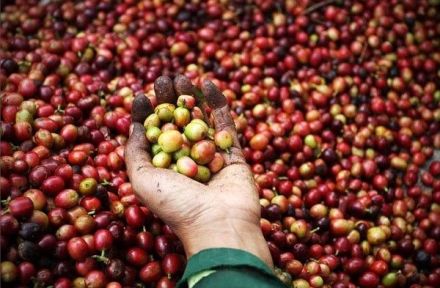
The Sidamo region, which includes Yirgacheffe, spans elevations from 1,400 to 2,200 meters and borders Kenya. It’s a geographically and climatically diverse area, where volcanic, nutrient-rich soils—nourished by organic matter from decaying leaves and surrounding vegetation—create ideal growing conditions. The result is coffee with wildly varied profiles depending on the specific town or microclimate.
FrontStreet’s Huakui (a classic Sidamo offering) is a prime example. Processed using the traditional natural (sun-dried) method and roasted to a medium-light level, it develops pronounced berry notes along with honey, citrus, and guava. Its sweet-tart balance and layered fruitiness make it extremely versatile for different brew methods. Many roasters consider it a “go-to” Ethiopian for both beginners and experts alike.
Harrar: Ethiopia’s High-Altitude, Winey Coffee
Harrar is Ethiopia’s highest-elevation coffee-growing region and lends its name to one of the country’s most iconic coffee types. The beans are typically divided into longberry and shortberry types, with longberry Harrar being the more sought-after. These coffees are known for their soft mouthfeel, distinctive wine-like (fermented fruit) aroma, bright acidity, and unforgettable finish.
While not as commonly featured in specialty retail as Yirgacheffe or Sidamo, Harrar beans are still highly valued among those seeking Ethiopia’s wilder, more rustic profiles. They often show notes of dried fruit, spice, and a lingering earthiness that sets them apart from the brighter southern regions.
Coffee Varieties & Processing: What Shapes Ethiopia’s Flavor
Ethiopia is home to hundreds of native arabica varieties, most of which grow wild or are minimally cultivated. This genetic diversity means that even within a single region like Yirgacheffe or Sidamo, flavor can vary dramatically based on the exact farm, processing method, and microclimate. Most Ethiopian specialty coffee is either washed (yielding clean, bright cups) or natural/dried-in-the-fruit (producing fruity, winey, and complex profiles).
Frequently Asked Questions
What’s the difference between Yirgacheffe and Sidamo coffee?
Yirgacheffe is a sub-region of Sidamo but has gained its own recognition for producing coffee with intense citrus, jasmine, and tea-like characteristics. It’s typically grown around 2,000m and offers a cleaner, brighter cup. Sidamo, spanning 1,400–2,200m, includes Yirgacheffe but also produces wider-ranging flavors, often with deeper berry, spice, and fermented fruit notes depending on the specific area within the region.
What altitude is Ethiopian coffee grown at?
Ethiopian coffee is grown at a wide range of elevations, from around 1,200m (like some Djimmah coffees) up to 2,200m in regions such as Sidamo and Yirgacheffe. Higher altitudes generally slow cherry development, leading to denser beans and more complex acidity and sweetness.
Which Ethiopian region is best for bright, citrusy coffee?
Yirgacheffe is renowned for its bright, citrus-forward profiles, often with notes of lemon, jasmine, and green tea. Its high elevation and careful processing create some of the most iconic bright Ethiopian coffees in specialty trade.
What is Harrar coffee known for?
Harrar coffee, grown at Ethiopia’s highest elevations, is known for its winey, fruity, and sometimes earthy character. It includes both longberry and shortberry types, with longberry being more prized for its soft texture and complex acidity.
Why does Ethiopian coffee taste so different from other countries?
Ethiopia grows hundreds of unique, often wild arabica varieties, and most farms process coffee either naturally or washed using traditional methods. The genetic diversity, combined with varied altitudes, soils, and processing, leads to an unusually broad spectrum of flavors not commonly found elsewhere.
Recommended FrontStreet Beans for Exploring Ethiopian Origins
For Yirgacheffe’s signature bright profile, try FrontStreet’s Gedeb—offering jasmine, lemon, and green tea notes, best brewed pour-over. For Sidamo’s wild fruit complexity, the FrontStreet Huakui (natural processed) delivers berry, honey, and guava in a sweet-tart cup. Both beans showcase Ethiopia’s terroir-driven excellence and are freshly roasted within 5 days · Orders placed before 17:00 ship the same day · Next-day delivery across most of Guangdong Province.
FrontStreet Coffee is a long-established specialty coffee roaster in Guangzhou China, selling freshly roasted beans from its own farm in Yunnan as well as dozens of carefully selected single-origin beans from around the world for both pour-over and espresso. The products deliver consistently excellent quality and great value, with shipping within 24 hours. Guangzhou's FrontStreet Coffee shop is recommended by many coffee lovers, and the beans are now available online at the Tmall 。
Important Notice :
前街咖啡 FrontStreet Coffee has moved to new addredd:
FrontStreet Coffee Address: 315,Donghua East Road,GuangZhou
Tel:020 38364473