What Is Yirgacheffe Coffee? Flavor, Processing & Brewing Guide
If you’ve ever had a cup of Ethiopian coffee that smelled like a garden in bloom—with notes of jasmine, lemon, and peach—chances are it was from Yirgacheffe. This high-altitude region in southern Ethiopia isn’t just another coffee-growing area. It’s where some of the world’s most distinctive and aromatic coffees come from, thanks to its unique climate, farming traditions, and processing methods. But what exactly makes Yirgacheffe coffee so special, and why does it taste so different from other Ethiopian coffees?
Yirgacheffe coffee is known for its bright acidity, floral aromas (especially jasmine), and fruity notes like citrus, peach, and apricot. Most is washed processed, though high-quality natural lots are becoming more common. The region sits between 1,700–2,100 meters above sea level, with many farms over 1,800 meters—among the highest in Ethiopia.
Where Is Yirgacheffe and Why Does Elevation Matter?
Yirgacheffe (also spelled Yergacheffe or Yirga Cheffe) is a small town and coffee-growing zone located within Ethiopia’s larger Sidamo region, in the country’s south. Though officially part of Sidamo, Yirgacheffe gained its own classification in 2010 due to the distinctiveness of its coffees. The area ranges from about 1,700 to 2,100 meters above sea level, with most coffee grown above 1,800 meters. That extreme altitude slows cherry maturation, leading to denser beans with more complex sugars and acids. The region is historically a wetland, and the name 'Yirgacheffe' roughly translates to 'let’s settle here in the wetlands.' The microclimate is spring-like year-round, with cool breezes in summer, mild winters, and consistent moisture—all ideal for growing specialty-grade coffee.
How Is Yirgacheffe Coffee Typically Processed?
The majority of Yirgacheffe coffee is processed using the washed (or wet) method, a technique introduced in the 1970s from Central and South America to enhance clarity and cleanliness in the cup. This method involves removing the coffee cherry's skin and pulp, fermenting the sticky mucilage off the beans, and washing them clean before drying. The result is a cup that highlights Yirgacheffe’s signature traits: intense floral notes (especially jasmine), vibrant citrus acidity, and a tea-like body. While washed is dominant, a growing number of producers are experimenting with the natural (dry) process. These naturals, though rare and carefully sorted, can intensify the fruitiness and add a heavier body or winey sweetness while still preserving the region’s floral backbone.
What Does Yirgacheffe Coffee Taste Like?
Cup profiles from Yirgacheffe are remarkably consistent yet strikingly vibrant. Most drinkers note a dominant jasmine aroma, followed by citrus—often lemon or mandarin—as well as stone fruit like peach or apricot. There’s frequently a soft sweetness reminiscent of dried apricots or almonds, and many cups finish with a delicate tea-like or herbal note. The body is typically light to medium, with a silky or velvety mouthfeel rather than heavy. In short, people often describe it as if 'a bouquet of flowers exploded in their mouth.' One taster put it bluntly: 'The coffee hits your tongue and it’s like a garden blooming—floral, juicy, and impossibly fresh.' The clean, almost transparent acidity is a hallmark of the washed process used in the region.
Washed vs. Natural Yirgacheffe: What’s the Difference?
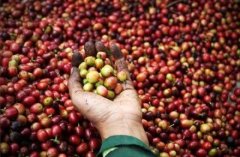
Traditionally, Yirgacheffe coffee has been washed to achieve its iconic clarity. But in recent years, a select number of premium natural-processed lots have gained attention. These natural Yirgacheffe beans are made from perfectly ripe red cherries that are handpicked, sorted to remove underripe or damaged fruit, and then dried whole—pulp and all—on raised beds. The drying process takes up to five weeks, during which the coffee is regularly turned and protected from mold or uneven fermentation. By the end of drying, the beans reach 12% moisture, and go through rigorous sorting including density and color checks, plus manual removal of any defective beans. The result? A cleaner, more refined natural process coffee that still showcases Yirgacheffe’s floral and citrus notes but with added tropical fruit sweetness and a heavier mouthfeel. One roaster described the experience as tasting like a blend of Harar, Yemeni Mocha, and classic washed Yirgacheffe.
How to Brew Yirgacheffe Coffee at Home
To get the most out of Yirgacheffe’s bright and floral profile, use a pour-over method like V60. The recommended parameters are: 15g coffee to 225g water, ground to a fine-medium consistency (comparable to table salt or sugar, around 20 mesh / 80% through a China-standard No.20 sieve). Water temperature should be 90–91°C. Start with a 30-second bloom using 30g of water, then add 95g more water by the 1-minute mark, followed by the final 100g by 1:35. The total brew time should be around 2:10. This approach highlights the delicate floral aromatics and citrus acidity without over-extracting bitter compounds. Many enthusiasts also enjoy Yirgacheffe as an espresso or in a hybrid Aeropress setup, but pour-over remains the most popular and revealing method.
Frequently Asked Questions
What is special about Yirgacheffe coffee?
Yirgacheffe coffee is known for its distinctive bright acidity, prominent jasmine and citrus floral notes, and tea-like body. It comes from high-altitude farms (1,700–2,100m), mostly processed using the washed method, which enhances its clarity and aromatic intensity. The region's stable microclimate contributes to its consistent, delicate cup profile.
Is Yirgacheffe a region or a coffee type?
Yirgacheffe is both a town and a coffee-growing region in Ethiopia’s Sidamo zone. It became its own recognized coffee origin in 2010 due to the unique characteristics of its beans. When people refer to 'Yirgacheffe coffee,' they usually mean coffee grown in this specific high-altitude area with its signature floral and citrus flavors.
What processing method is most common for Yirgacheffe?
Most Yirgacheffe coffee is washed (wet) processed. This method, adopted in the 1970s, helps highlight the region’s bright acidity and floral notes. However, in recent years, some high-quality natural (dry) processed lots have emerged and are gaining popularity for their fruitier, fuller-bodied profiles.
What does Yirgacheffe coffee taste like?
Expect a cup full of jasmine flower aroma, with notes of lemon, orange, peach, and sometimes apricot or almond. The acidity is bright and tea-like, and the body is typically light to medium with a silky mouthfeel. Many describe it as smelling like a garden and tasting crisp and clean.
What grind size should I use for Yirgacheffe pour-over?
For methods like V60, use a fine-medium grind, similar to granulated sugar or table salt. On an EK43 grinder, this is around setting 10, or about 80% of particles passing through a China-standard No.20 sieve. Adjust based on your specific brewer and taste preference.
How can I brew Yirgacheffe at home?
A standard V60 pour-over works well: use 15g coffee, 225g water, 90–91°C, bloom with 30g water for 30 seconds, then pour in 95g by 1 minute and 100g by 1:35. Total brew time should be around 2:10. This brings out the floral and citrus notes without bitterness.
Recommended FrontStreet Yirgacheffe Coffee Beans
Start with FrontStreet’s water-washed Yirgacheffe, a classic example with bright jasmine, citrus, and tea notes — perfect for understanding the region’s core profile. For something more unique, try the water-washed coffee from the Gedeb cooperative, which offers intense citrus, floral aromas, and a clean, structured cup. Lastly, the FrontStreet Red Cherry natural process lot brings out wild tropical fruit and berry flavors with a heavier body while retaining Yirgacheffe’s trademark floral brightness. All three highlight different sides of this exceptional origin. Freshly roasted within 5 days · Orders placed before 17:00 ship the same day · Next-day delivery across most of Guangdong Province.
FrontStreet Coffee is a long-established specialty coffee roaster in Guangzhou China, selling freshly roasted beans from its own farm in Yunnan as well as dozens of carefully selected single-origin beans from around the world for both pour-over and espresso. The products deliver consistently excellent quality and great value, with shipping within 24 hours. Guangzhou's FrontStreet Coffee shop is recommended by many coffee lovers, and the beans are now available online at the Tmall 。
Important Notice :
前街咖啡 FrontStreet Coffee has moved to new addredd:
FrontStreet Coffee Address: 315,Donghua East Road,GuangZhou
Tel:020 38364473