Ecuador Coffee Guide: Arabica and Robusta from the Equator
Ever wondered why most countries produce only one kind of coffee bean—usually Arabica—but Ecuador grows both Arabica and Robusta? At a recent Ecuador coffee tasting event held in Guangdong Museum’s Yi Wai Cafe and hosted by the Ecuadorian Consulate in Guangzhou, attendees got a close look at the country’s rare dual-production coffee story and tasted its surprisingly diverse flavor profiles.
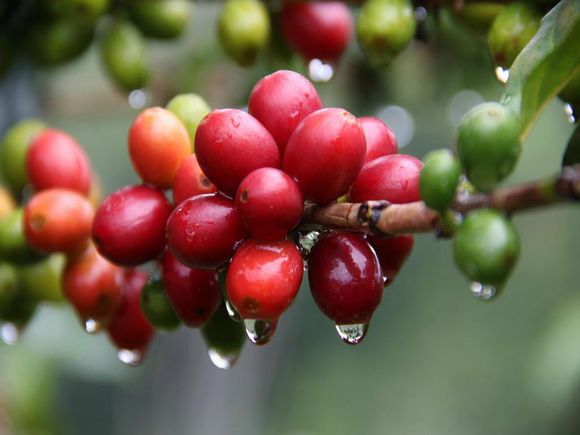
Ecuador is one of the few countries in the world that produces both Arabica and Robusta beans. Its Arabica includes organic Galapagos beans and high-altitude varieties, many with complex floral, fruit, and caramel flavors. The country’s unique equatorial geography and volcanic growing regions make this diversity possible.
Why Ecuador Grows Both Arabica and Robusta Coffee
Ecuador sits directly on the equator, a rare position that provides ideal growing conditions for both major coffee species. The country benefits from fertile soils, high altitudes, and a stable climate. While most coffee-growing nations focus on just one species due to climate or tradition, Ecuador’s equatorial location enables it to cultivate both Arabica and Robusta beans across different regions.
Galapagos Islands: Organic Coffee with Natural Sweetness
One of Ecuador’s most distinctive coffee origins is the Galapagos Islands, located about 1,000 kilometers off the mainland. The coffee grown there is 100% organic. The islands’ volcanic soil, oceanic microclimates, and strict no-chemical policy result in a coffee that’s naturally sweet, mild, and aromatic. Flavors of subtle flowers, fresh fruit, and light caramel dominate the cup. The Galapagos were declared a UNESCO World Heritage Site in 1978 and are considered a “living museum of evolution,” famous for inspiring Darwin’s theory of natural selection.

High-Altitude Andean Beans: Complex and Layered
Coffee grown in Ecuador’s mountainous regions, typically at elevations between 1,000 and 2,000 meters, delivers a more robust cup. These highland Arabicas often show flavors of ripe fruit, fresh herbs, and chocolate, with a naturally sweet finish. Some versions are brewed as espresso, highlighting their full body and rich crema potential. Others are further infused or blended—for example, with Amazonian mint or even petals from Ecuador’s famed roses, known as the “Rolls-Royce of roses.”
What to Expect When Tasting Ecuador Coffee
Ecuadorian coffee varies significantly by region. Galapagos beans offer a clean, low-acidity profile great for pour-over or cold brew, with tasting notes of flower, fruit, and caramel. Highland beans present a more structured cup with notes of chocolate, green herbs, and stone fruit, ideal for espresso or filter brewing. Specialty roasters and importers are now bringing these beans to global markets, including China, where Guangzhou coffee shops are starting to feature them.
Frequently Asked Questions
Does Ecuador grow both Arabica and Robusta coffee?
Yes, Ecuador is one of the few countries that produces both Arabica and Robusta beans. Its unique equatorial geography allows for cultivation of both species, with Arabica mainly grown in high-altitude areas and Robusta also present, though less commonly highlighted in specialty markets.
What does Galapagos coffee taste like?
Galapagos coffee is organic and known for its mild, smooth profile. It typically has tasting notes of light floral tones, fresh fruit, and subtle caramel sweetness. The coffee is grown without chemicals thanks to the islands’ protected environment and volcanic soils.
Where is Ecuador’s high-altitude coffee grown?
Ecuador’s high-altitude coffee is cultivated in mountainous regions at elevations between 1,000 and 2,000 meters. These areas produce Arabica beans with more intense flavors, including fruit, chocolate, and herbs, suitable for espresso or filtered brewing methods.
Is Galapagos coffee organic?
Yes, coffee from the Galapagos Islands is produced organically. The region follows strict no-pesticide and no-fertilizer practices, aided by its isolated location, volcanic soil, and favorable microclimates, all certified as sustainable and natural growing conditions.
Can I find Ecuador coffee in China?
Yes, Ecuadorian coffee is increasingly available in China. Guangzhou coffee shops, supported by the Ecuadorian Consulate, have begun offering Ecuadorian beans, and local importers are bringing in both highland and Galapagos varieties for specialty roasters and consumers.
Recommended FrontStreet Beans for Pour-Over and Filter Brewing
For fans exploring Ecuador-style flavor profiles, try FrontStreet’s BrazilBourbon (red Bourbon from Sidelao), which offers a soft, balanced cup with notes of nuts and light caramel—great for pour-over. Also consider the ColombiaSidra (Sidra from Hifarm), with complex fruitiness and sweetness from anaerobic fermentation. Both beans are excellent single-origin options for filter methods. Freshly roasted within 5 days · Orders placed before 17:00 ship the same day · Next-day delivery across most of Guangdong Province.
FrontStreet Coffee is a long-established specialty coffee roaster in Guangzhou China, selling freshly roasted beans from its own farm in Yunnan as well as dozens of carefully selected single-origin beans from around the world for both pour-over and espresso. The products deliver consistently excellent quality and great value, with shipping within 24 hours. Guangzhou's FrontStreet Coffee shop is recommended by many coffee lovers, and the beans are now available online at the Tmall 。
Important Notice :
前街咖啡 FrontStreet Coffee has moved to new addredd:
FrontStreet Coffee Address: 315,Donghua East Road,GuangZhou
Tel:020 38364473