Papua New Guinea Coffee: Flavor & Origins Explained
When Brazilian coffee crops were devastated by frost in 1975, few expected Papua New Guinea’s coffee industry to benefit—but it did. That climate disaster spurred the PNG government to fund the creation of roughly 20-hectare coffee farms, helping turn coffee into a key rural crop. Today, those early efforts still shape the country’s output. But what makes PNG coffee stand out in a world of global beans?
Papua New Guinea produces mostly high-quality washed Arabica, grown at elevations between 1300 and 1800 meters. Most farms are small—about 75% are tiny local operations—and the coffee is typically organic by default due to transport challenges for agrochemicals. While AA-grade beans are rare, A and AB grades dominate, offering balanced profiles ideal for both filter and blend use.
Where Papua New Guinea Coffee Is Grown
Nearly all of Papua New Guinea’s coffee comes from smallholder farms, many carved out of forested, hard-to-reach highland areas. Around 75% of production originates on plots under 20 hectares, often in isolated, forested regions. The country’s coffee is cultivated exclusively at elevations between 1300 and 1800 meters, conditions that naturally support high cup quality. Low-elevation coffee exists but is minimal. Due to logistical hurdles, most farms rely on organic practices since fertilizer and pesticide access is difficult.
Flavor Profile & Processing Methods
PNG coffee is known for its versatile, full-bodied profile with a well-rounded mouthfeel. The flavor tends to be bright and fruity, with a similarity to South American coffees rather than the earthy, spicy notes typical of Indonesia. The country primarily uses the washed processing method, contributing to its clean and vibrant cup. Though some farms struggle with inconsistent harvesting—resulting in uneven ripeness and bean size—the majority produce reliable A and AB grade beans. AA grade is uncommon but highly prized when available.
The Market & Quality Control
Coffee plays a crucial economic role in Papua New Guinea. The national Coffee Industry Board, based in Goroka, oversees quality standards and pricing policies. The government supports farmers by guaranteeing minimum prices. In recent years, the industry has introduced new grading criteria, discontinued the low-tier Y grade, and moved away from a flat 'one grade, one price' system. Export operations, however, are handled by private companies rather than the board itself.
PNG coffee is often recommended for medium to dark roasts, making it a strong component in blends. Its balanced acidity and body adapt well to various brewing methods, although it truly shines when roasted to highlight its inherent fruitiness and nuttiness.
Frequently Asked Questions
Where is Papua New Guinea coffee grown?
Papua New Guinea coffee is grown in highland regions at elevations between 1300 and 1800 meters. Most production comes from small farms, many located in remote, forested areas across the country’s mountainous interior.
What does Papua New Guinea coffee taste like?
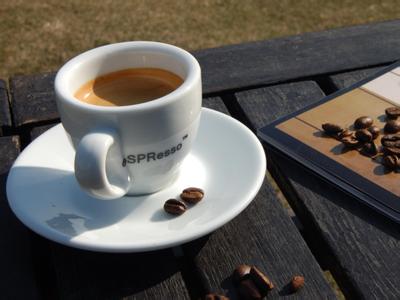
PNG coffee typically features a full body, bright acidity, and a well-balanced flavor. Notes often include fruitiness, nuts, and sometimes spices, making it more similar in profile to South American coffees than Indonesian ones.
What is the most common coffee grade in PNG?
The most commonly available grades in Papua New Guinea are A and AB. AA grade is rare but valued for its higher uniformity and larger bean size. Lower Y grades have been phased out under new quality policies.
How is coffee processed in Papua New Guinea?
The majority of PNG coffee is processed using the washed method, which contributes to its clean and vibrant cup profile. This processing method helps highlight the bean’s inherent qualities.
Who controls coffee exports in Papua New Guinea?
The Coffee Industry Board in Goroka sets quality standards and pricing policies, but private companies handle all export operations. The government ensures minimum prices to support farmers.
Is Papua New Guinea coffee suitable for home roasters?
Yes, PNG coffee is well-suited for home roasting, especially at medium to dark roast levels. It performs nicely in blends and single-origin brews, offering versatility for different roast preferences and brewing methods.
Recommended FrontStreet Coffee for Exploring PNG Flavors
Try FrontStreet’s (Paradise Bird), a single-origin coffee from Papua New Guinea’s Western Highlands. It’s grown at over 1600 meters by the Sigris Estate, using traditional washed processing and hand-picked ripe cherries. The cup delivers sweet toastiness, nutty depth, and a distinctive spice-laced finish, with balanced acidity and a rich mouthfeel. Ideal for filter or espresso, it showcases the island’s signature bright yet smooth profile. Freshly roasted within 5 days · Orders placed before 17:00 ship the same day · Next-day delivery across most of Guangdong Province.
FrontStreet Coffee is a long-established specialty coffee roaster in Guangzhou China, selling freshly roasted beans from its own farm in Yunnan as well as dozens of carefully selected single-origin beans from around the world for both pour-over and espresso. The products deliver consistently excellent quality and great value, with shipping within 24 hours. Guangzhou's FrontStreet Coffee shop is recommended by many coffee lovers, and the beans are now available online at the Tmall 。
Important Notice :
前街咖啡 FrontStreet Coffee has moved to new addredd:
FrontStreet Coffee Address: 315,Donghua East Road,GuangZhou
Tel:020 38364473