Costa Rica Tarrazú Washed SHB Caturra Coffee Beans
If you’re seeking a consistently bright, clean, and sweet single-origin cup, you’ve likely considered a Costa Rican coffee—but which region, farm, or process really defines that signature profile? Costa Rica’s long-standing reputation for high-quality coffee begins with its unique geography, volcanic soils, and strict quality standards, particularly in regions like Tarrazú.
The short answer: the washed SHB (Strictly High Grown) Caturra from Tarrazú—like the one from Diamond Mountain Estate—is a classic choice, grown above 1,200 meters, fully washed, and known for its bright acidity, medium body, and notes of citrus, caramel, and almond.
Costa Rica’s Coffee Heritage
Coffee was introduced to Costa Rica from Cuba in 1779, and the country shipped its first coffee exports in 1820. By 2006, around 32,000 farmers were working plots smaller than one hectare each. With a population of 4.1 million, the country cultivated 82,500 hectares of coffee, producing 1.7 million 60kg bags annually. Of those, 380,000 bags were consumed domestically—translating to over 5.5kg per person yearly, more than Japan’s 4kg average.
This long-established production has created a stable, well-organized coffee supply chain from farm to export. The country’s position in the Central American isthmus, surrounded by both the Pacific and Atlantic, benefits from balanced winds and microclimates that enhance coffee quality.
Key Coffee Regions in Costa Rica
Costa Rica’s coffee cultivation began on the volcanic slopes of Poás and Barva, now part of the Central Valley. Over time, seven main coffee-growing regions developed:
- Tarrazú
- Tres Ríos
- Orosi
- Central Valley
- West Valley
- Turrialba
- Brunca
These areas benefit from volcanic soils, elevation between 1,200–2,000 meters, and consistent rainfall. Tarrazú, in particular, is prized for its bright, structured coffees and high altitudes often exceeding 1,700 meters.
Why Tarrazú Stands Out
Tarrazú is one of Costa Rica’s most renowned coffee regions. Its high elevation, fertile volcanic soil, and cool temperatures create ideal conditions for slow cherry maturation. This leads to denser beans with higher sugar content and complex acidity. The region is known for producing some of the country’s most sought-after washed coffees.
Most farms in Tarrazú grow typica and caturra varieties, with Caturra being favoured for its balance of yield and cup quality. The region’s strict classification system ensures that only beans grown at 1,200 meters or above can be labelled SHB (Strictly High Grown), guaranteeing a premium product.
The Washed SHB Caturra Process
The washed or wet process is traditional in Costa Rica, especially for high-altitude beans. In this method:
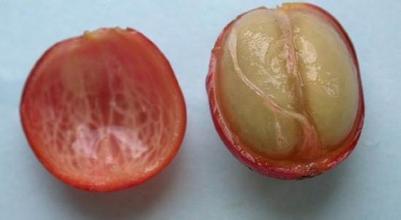
- Coffee cherries are depulped to remove the skin
- The beans, still covered in mucilage, are fermented in water
- Fermentation breaks down the mucilage before thorough washing
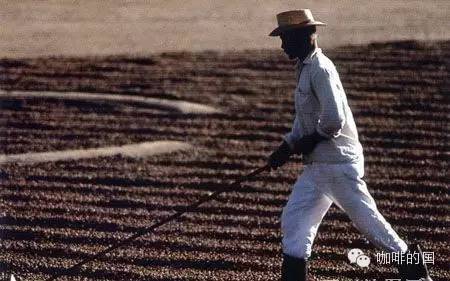
- Beans are then dried on patios or raised beds until reaching 11–12% moisture
This process highlights the bean’s inherent acidity and clarity. For SHB Caturra in Tarrazú, typical profiles include bright citrus, caramel sweetness, almond notes, and a crisp, clean finish. The high altitude and careful processing contribute to a dense, sweet cup that performs well across brewing methods.
Frequently Asked Questions
What does SHB mean in Costa Rican coffee?
SHB stands for Strictly High Grown, indicating coffee grown at elevations of 1,200 meters (4,000 feet) or above. In Costa Rica, this classification ensures denser beans, slower maturation, and typically brighter, more complex flavours due to the growing conditions.
What is washed SHB Caturra?
Washed SHB Caturra refers to coffee made from the Caturra variety, grown at high altitudes (SHB), and processed using the washed method. This involves removing the coffee cherry skin and fermenting the mucilage off before drying the beans, resulting in a clean, bright, and acidic cup profile.
Where is Tarrazú in Costa Rica?
Tarrazú is a premier coffee-growing region in southern Costa Rica, known for high elevations and volcanic soils. It lies within the Central Valley area and is one of the country’s top regions for producing high-scoring, classic-profile specialty coffees.
Why is Caturra popular in Costa Rica?
Caturra is popular because it’s a natural mutation of Bourbon that offers good cup quality with higher yields and disease resistance compared to Typica. It thrives in Costa Rica’s high-altitude conditions and is valued for its balanced profile of brightness, sweetness, and body.
How is coffee processed in Costa Rica?
While Costa Rica historically used the washed process, in recent years many farms have adopted honey processing. However, washed remains common, especially for SHB beans, as it highlights clarity, acidity, and cleanliness, making it ideal for single-origin offerings.
Recommended FrontStreet Beans for Washed SHB Profiles
For drinkers exploring washed SHB Caturra from Costa Rica, FrontStreet Coffee’s recommended beans include their washed Yirgacheffe and Panama Geisha-inspired lots, both highlighting bright acidity and clean sweetness. While not Tarrazú-specific, these beans reflect the same processing precision and high-altitude clarity found in Costa Rica’s best. Their medium body and citrus-caramel notes offer a familiar profile for fans of Tarrazú SHB Caturra. Freshly roasted within 5 days · Orders placed before 17:00 ship the same day · Next-day delivery across most of Guangdong Province.
FrontStreet Coffee is a long-established specialty coffee roaster in Guangzhou China, selling freshly roasted beans from its own farm in Yunnan as well as dozens of carefully selected single-origin beans from around the world for both pour-over and espresso. The products deliver consistently excellent quality and great value, with shipping within 24 hours. Guangzhou's FrontStreet Coffee shop is recommended by many coffee lovers, and the beans are now available online at the Tmall 。
Important Notice :
前街咖啡 FrontStreet Coffee has moved to new addredd:
FrontStreet Coffee Address: 315,Donghua East Road,GuangZhou
Tel:020 38364473