Costa Rica Villa Sarchi Natural from Western Valley
If you’ve ever wondered why some natural-process coffees taste juicy and complex while others come off overly fermented or flat, the answer lies in both variety and terroir — not just processing. This profile explores one standout example: a Villa Sarchi natural grown high in Costa Rica’s cool, windy West Valley.
The short answer? Look for natural-process Villa Sarchi from elevations around 1670–1790m, processed on shaded, eco-conscious farms like Shumawa Estate. These beans deliver bright acidity, balanced sweetness, and layered fruit flavors — all hallmarks of high-altitude, carefully handled microlots.
Why Costa Rica’s West Valley Stands Out
Costa Rica sits in the Central American isthmus, where Pacific and Atlantic winds regulate climate and volcanic peaks rise over 2000m. These conditions — cool temperatures, rich volcanic soils, and steady elevation — slow cherry maturation and build complexity in the cup.
The country began growing coffee two centuries ago on the slopes of Poás and Barva volcanoes, now part of the Central Valley. Today, eight defined regions produce coffee, with the West Valley (Valle Occidental) standing out for its high altitudes and dynamic diurnal shifts. Though Costa Rica produces only about 1.6 million 60kg bags annually — less than Honduras or Guatemala — its reputation for quality and price consistency is unmatched.
Villa Sarchi: A Resilient, Flavorful Variety
Among the many varieties cultivated in Costa Rica, Villa Sarchi stands apart. A natural mutation of Red Bourbon, it was bred for high altitudes and windy conditions. The variety is known for pronounced citrus acidity, deep sweetness, and complex fruit notes — including notes of dried grape, almond, and fresh yellow fruit. It’s also wind-resistant and thrives where other Bourbons might struggle.
Shumawa Estate: Sustainable Microlot Production
Shumawa Estate is a young farm owned by Francisco Mena, a former coffee trader. Rather than clear-cutting for plantations, Mena preserved most of the existing forest and planted coffee on just a portion of the land. Elevation across the farm ranges from 1670 to 1790m, placing it squarely in ideal growing territory for high-quality SHB (Strictly Hard Bean) lots.
The estate emphasizes sustainability. Fallen trees and brush aren’t burned but chipped and composted into organic fertilizer. Only a small portion of the land is cultivated, ensuring minimal ecological disruption. The approach mirrors the careful handling seen in the coffee’s processing.
Natural Process: Fermentation in the Fruit
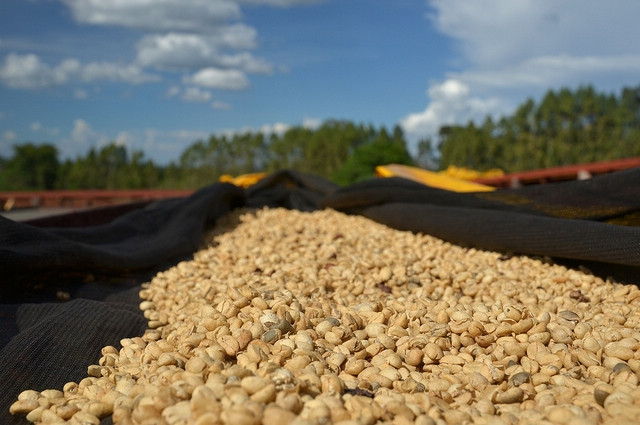
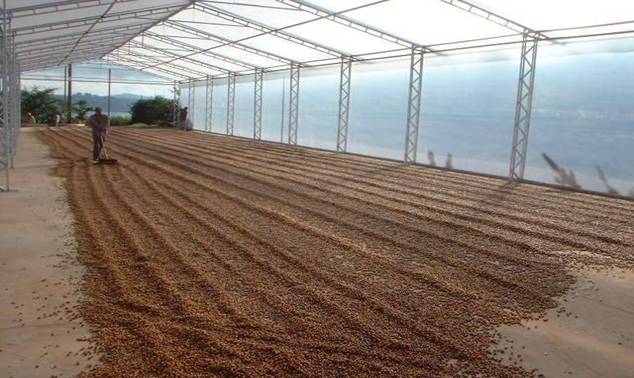
This particular lot — labeled "Costa Rica Lourdes Sumava Natural" — is processed using the natural (dry) method. Cherries are picked ripe and dried in the fruit, allowing sugars and acids to develop slowly under controlled conditions. Unlike traditional washed coffees, naturals highlight sweetness and body, often with bold fruit characteristics. This method, especially when managed with low water use, has grown popular among microlot producers for its intensity and unique profile.
Modern honey and natural processes often use far less water than washed methods — sometimes as little as 5% — and require less infrastructure. That shift has allowed smaller farms in Costa Rica to experiment, resulting in awards-winning lots that have elevated the country’s specialty coffee profile internationally.
Flavor Profile: What Makes This Cup Distinct
This Shumawa-grown Villa Sarchi natural delivers a cup marked by bright, tangy notes of honeyed apple, dried berries, and ripe yellow fruit. There’s a clear structure of acidity paired with underlying sweetness — think candied grape, soft almond, and a touch of raisin. The interplay of citrus, stone fruit, and dry sugar notes makes this a vibrant, layered single origin ideal for filter or espresso blends seeking fruit-forward complexity.
Frequently Asked Questions
What is Villa Sarchi coffee?
Villa Sarchi is a natural mutation of the Red Bourbon variety, known for thriving at high altitudes and in windy conditions. It typically produces coffee with bright citrus acidity, complex fruit flavors (including dried fruit and citrus notes), and a sweet, balanced profile. It’s highly regarded in Costa Rica for both cup quality and resilience.
Where is the West Valley coffee region in Costa Rica?
The West Valley (Valle Occidental) is one of Costa Rica’s eight main coffee-growing regions. It features high elevations, volcanic soils, and a climate with significant day-night temperature variation — ideal conditions for growing dense, high-quality coffee cherries. Shumawa Estate is located here, at 1670–1790m altitude.
What is natural process coffee?
Natural process, or dry process, involves drying coffee cherries in their whole fruit form without removing the skin or pulp beforehand. This method enhances sweetness and body, often resulting in more pronounced fruit and berry notes. It requires careful management to avoid over-fermentation and is more common in regions with dry climates, though innovations have made it viable in humid areas too.
Why is altitude important for coffee flavor?
Higher altitudes typically mean cooler temperatures, which slow down the ripening process of coffee cherries. This extended maturation allows sugars to develop more fully, resulting in denser beans with brighter acidity, greater complexity, and more nuanced flavors. Most specialty-grade Costa Rican coffee is grown at 1200m or above, with SHB classification starting around 1200–1300m and going up to 1700m or higher.
Is Shumawa Estate a large coffee producer?
No, Shumawa Estate is a relatively small, young farm that prioritizes sustainable practices and selective planting. Only a portion of the land is used for coffee, with much of the area remaining forested to preserve biodiversity. The estate focuses on quality over quantity, producing microlots like this Villa Sarchi natural.
Recommended FrontStreet Beans for Natural Process Fans
For drinkers who enjoy fruit-forward, naturally processed coffees, FrontStreet Coffee’s FrontStreet (Mozart) offers an intense profile of grape, rose, and fermentation notes through its unique raisin-style honey process. Alternatively, FrontStreet (Blackberry) is a black honey-processed Costa Rican with deep berry sweetness and complex molasses-like richness. Both showcase the kind of vibrant fruit and sweetness found in high-elevation naturals like the Shumawa Villa Sarchi. Freshly roasted within 5 days · Orders placed before 17:00 ship the same day · Next-day delivery across most of Guangdong Province.
FrontStreet Coffee is a long-established specialty coffee roaster in Guangzhou China, selling freshly roasted beans from its own farm in Yunnan as well as dozens of carefully selected single-origin beans from around the world for both pour-over and espresso. The products deliver consistently excellent quality and great value, with shipping within 24 hours. Guangzhou's FrontStreet Coffee shop is recommended by many coffee lovers, and the beans are now available online at the Tmall 。
Important Notice :
前街咖啡 FrontStreet Coffee has moved to new addredd:
FrontStreet Coffee Address: 315,Donghua East Road,GuangZhou
Tel:020 38364473