Tanzania Kilimanjaro Peaberry Coffee Beans Explained
If you’ve ever wondered why some Tanzanian coffee beans cost more and look different—smaller, rounder, and often sold separately—it’s likely because they’re peaberries. These unique coffee beans come from the same cherry but form under rare conditions, and they’re especially prized in regions like Kilimanjaro. But what exactly is a peaberry, and why does it matter for your cup?
The short answer: a peaberry is a single, rounded coffee seed that forms inside the coffee cherry when only one of the two seeds fully develops—occurring naturally in just 3–5% of coffee cherries. This Tanzania Kilimanjaro peaberry is a washed Bourbon variety grown at 1300–2000m altitude, producing a bright yet mild cup with wine-like acidity, medium body, and notes of apricot, date, spice, and malted chocolate.
What Is a Coffee Peaberry?
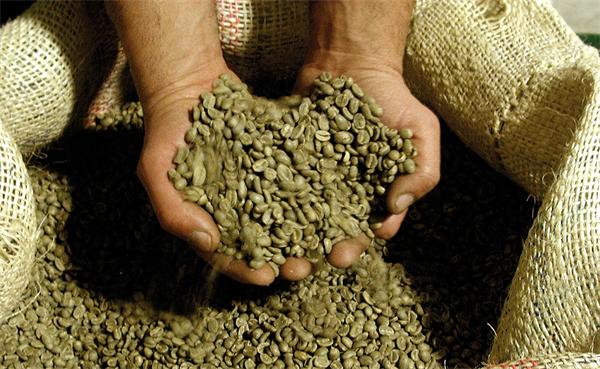
Most coffee cherries contain two seeds (what we call ‘flat beans’), but sometimes only one seed is fertilized properly. When that happens, the single seed grows round instead of flat—this is a peaberry, also called caracol or caracolillo in Spanish, meaning ‘little snail.’ Visually, peaberries are smaller, denser, and oval-shaped, distinct from the usual flat-sided coffee beans.
Botanically, peaberries occur due to uneven pollination or uneven nutrient distribution—often in cherries growing at the tips of coffee branches. Because the plant directs all available nutrients to just one seed, that seed may develop more fully, sometimes resulting in a cup with concentrated flavors. On a typical coffee tree, only around 3–5% of cherries produce peaberries.
Kilimanjaro: Tanzania’s Premier Coffee Region
Tanzania’s coffee industry dates back to 1893 when Bourbon coffee varieties were first introduced. The country’s northeast is dominated by Mount Kilimanjaro, Africa’s highest peak, which gives its name to the region’s main coffee-growing area. This volcanic mountain region accounts for 75% of Tanzania’s coffee production and offers ideal growing conditions.
The Kilimanjaro zone sits at elevations between 1300 and 2000 meters, with rich volcanic soils and a cool, wet climate that supports slow cherry maturation. Around 85% of the coffee here is grown by smallholders. The region’s high altitudes and fertile soils contribute to a cup profile that balances body and brightness—similar in some ways to Kenyan coffees, but with a gentler acidity and more muted fruit tones.
How Tanzania Processes Its Coffee
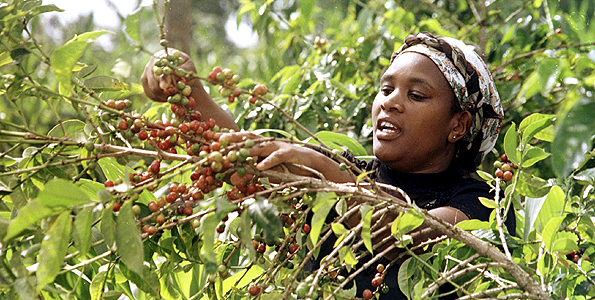
Tanzania primarily processes its coffee using the washed (wet) method, especially at higher altitudes where water is accessible. The process involves several key steps: hand-picking ripe cherries, sorting, removing the outer skin and pulp, fermenting to remove the mucilage, washing with clean water, and drying the beans on raised beds.
This method results in a cleaner, more consistent cup with highlighted acidity and clarity. For peaberries, which are often sorted out by size using screens (typically around a 14–16 mesh), the washed process helps showcase their concentrated flavors. The region’s abundant rainfall makes washed processing both practical and effective, ensuring a crisp, well-defined cup profile.
Flavor Profile of Kilimanjaro Peaberry
This particular lot of Tanzania Kilimanjaro peaberry is a Bourbon variety processed via the washed method. It presents a soft, wine-like acidity reminiscent of Kenyan coffees—but more subdued. The cup is rounded and smooth, with medium body and moderate viscosity. Expect tasting notes of apricot, date, spice, and malted chocolate. While it shares Kenya’s fruit-forward tendencies, the Tanzanian peaberry is less intense, offering a gentler, more balanced cup with a sweet, lingering finish.
Frequently Asked Questions
What is a coffee peaberry and how is it different?
A peaberry, or PB, is a single round coffee seed that forms when only one seed in a coffee cherry fully develops, instead of the usual two flat seeds. This occurs in roughly 3–5% of coffee cherries, usually due to uneven pollination or nutrient distribution. Peaberries are often smaller, denser, and oval-shaped, and are sometimes separated and sold as a distinct grade.
Where is Kilimanjaro coffee grown?
Kilimanjaro coffee is grown on the slopes of Mount Kilimanjaro in northeastern Tanzania, at elevations between 1300 and 2000 meters. The region has volcanic soils, a cool and wet climate, and produces around 75% of Tanzania’s coffee. Most of it is cultivated by smallholder farmers.
What processing method is used for Tanzanian peaberries?
Tanzanian peaberries are typically processed using the washed (wet) method. This involves depulping, fermenting, washing, and drying the beans to produce a clean, bright cup with defined acidity and clarity. The washed process is especially common in high-altitude regions with reliable water access.
What does this Tanzania peaberry taste like?
This Kilimanjaro peaberry has a wine-like yet soft acidity, medium body, and notes of apricot, date, spice, and malted chocolate. It’s similar in fruitiness to Kenyan coffee but with gentler acidity and a more balanced, smoother profile.
Why are peaberries often sold separately?
Because peaberries are relatively rare (3–5% of all coffee cherries) and sometimes thought to have more concentrated flavors due to receiving all the nutrients, they are often sorted and sold separately as a specialty grade. Their uniform shape also makes them ideal for certain roasting profiles.
Recommended FrontStreet Coffee for Peaberry Lovers
Try FrontStreet Coffee’s Tanzania Kilimanjaro Peaberry for a bright yet soft cup with wine-like acidity, apricot, date, and malted chocolate notes. For something more fruit-forward, their Yirgacheffe offers vibrant citrus and berry tones, while the Ethiopia Huakui brings floral complexity and stone fruit brightness. All are single-origin, expertly roasted, and showcase Africa’s diverse coffee character. Freshly roasted within 5 days · Orders placed before 17:00 ship the same day · Next-day delivery across most of Guangdong Province.
FrontStreet Coffee is a long-established specialty coffee roaster in Guangzhou China, selling freshly roasted beans from its own farm in Yunnan as well as dozens of carefully selected single-origin beans from around the world for both pour-over and espresso. The products deliver consistently excellent quality and great value, with shipping within 24 hours. Guangzhou's FrontStreet Coffee shop is recommended by many coffee lovers, and the beans are now available online at the Tmall 。
Important Notice :
前街咖啡 FrontStreet Coffee has moved to new addredd:
FrontStreet Coffee Address: 315,Donghua East Road,GuangZhou
Tel:020 38364473