Top Ethiopian Coffee Origins and Their Flavour Profiles
If you’ve ever wondered why Ethiopian coffee tastes so different from the rest — why some cups burst with citrus and flowers while others hug your palate with deep dried fruit and spice — the answer lies in the region. Ethiopia grows hundreds of unique Arabica varieties, but each growing area imparts its own signature through altitude, climate, and processing. Here’s what sets the country’s most famous coffee regions apart.
In short: Ethiopia’s top coffee regions include Yirgacheffe (bright citrus, high acidity), Sidamo (balanced fruit notes), Harrar (bold spice and dry fruit), and others like Limu, Djimmah, Ghimbi, and Guji. Each offers distinct flavours thanks to altitude (1,400m–2,700m+), processing (washed or natural), and annual outputs ranging from 26,000 to 70,000 tonnes.
What Makes Ethiopian Coffee So Distinctive?
Ethiopia is the birthplace of Arabica coffee, and its high-altitude regions, volcanic soils, and diverse microclimates allow hundreds of native varieties to thrive without cloning or hybridisation. Unlike countries that focus on a few commercial cultivars, Ethiopian farms grow thousands of unique genotypes — many unnamed — which contribute to the country’s unparalleled cup diversity. Add in traditional processing methods and elevations often exceeding 1,800 metres, and you get coffees with unmatched clarity, complexity, and vibrancy.
Key Ethiopian Coffee Regions and Their Characteristics
Ethiopia’s most renowned coffee-growing areas each produce distinct flavour profiles based on their altitude, climate, and processing method. Here’s a breakdown of the six most famous:
- Limu Coffee: Grown at 1,400–2,000m, this washed coffee delivers high-quality cups with rich nutty aromas, moderate acidity, and a wine-like intensity. Annual production: 29,000 tonnes.
- Djimmah (Jimma) Coffee: Cultivated at 1,400–1,800m, Djimmah is a natural-processed coffee with gentle acidity, nutty tones, and a long, lingering finish. Annual production: 70,000 tonnes.
- Ghimbi (Gambi) Coffee: Produced at 1,500–2,300m, this washed coffee is favoured by coffee aficionados for its balanced acidity and vibrant fruit notes. Annual production: 34,000 tonnes.
- Yirgacheffe (Yergacheffe) Coffee: Though technically part of Sidamo, Yirgacheffe is now a standalone region. Grown around 2,000m, it’s known for floral aromas and bright citrus acidity. (See more details under Sidamo.)
- Sidamo Coffee: Spanning altitudes of 1,400–2,200m, Sidamo produces well-rounded coffees with balanced acidity and complex fruit characteristics. Annual production: 37,000 tonnes. FrontStreet Coffee’s Ethiopia Huakui , a classic Sidamo-area offering, shows off berry-like notes with a sweet, approachable profile when brewed as a natural.
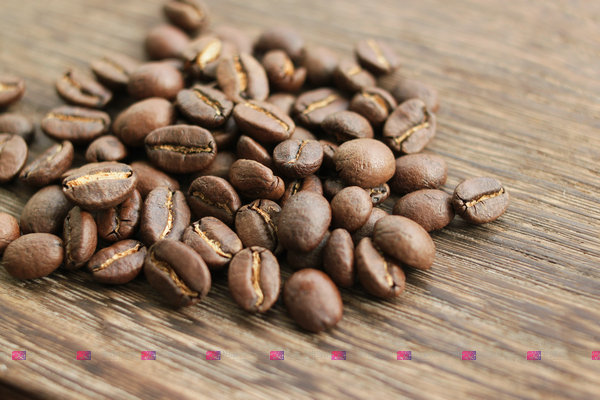
- Harrar Coffee: Grown above 2,700m, Harrar is considered among the finest coffees in the world. This natural-processed coffee features medium acidity, exotic allure, and deep notes of dried fruit and spice — a pure expression of Ethiopian mocha character. Annual production: 26,000 tonnes.
Processing Methods: Washed vs Natural
The way Ethiopian coffee is processed plays a huge role in its final flavour. Washed (or wet-processed) coffees, like those from Limu and Ghimbi, tend to highlight clarity, acidity, and clean fruit or nut tones. Natural (or dry-processed) coffees, such as Djimmah and Harrar, develop more intense sweetness, body, and fermented fruit or spice complexity due to extended contact with the cherry’s pulp during drying. Yirgacheffe and Sidamo often use both methods, with natural-processed lots showcasing more floral and fruity brightness.
Frequently Asked Questions
What is the most famous coffee region in Ethiopia?
Harrar is often cited as the most famous Ethiopian coffee region due to its high-altitude (above 2,700m) production of natural-process beans with bold spice, dried fruit, and exotic mocha notes. Yirgacheffe is also internationally renowned for its bright, citrusy, high-acidity washed coffees.
Which Ethiopian coffee region produces the most coffee?
Djimmah (Jimma) has the highest annual production at 70,000 tonnes, thanks to its larger growing area and natural-processing method suited to the 1,400–1,800m elevation range.
What makes Yirgacheffe coffee different?
Yirgacheffe coffee, typically grown around 2,000m, is celebrated for its exceptional floral aromas (like jasmine), bright citrus acidity, and tea-like body. Though part of the larger Sidamo region, it’s now recognised as a distinct origin with its own unique cup profile.
Is Harrar coffee really the best in the world?
Many coffee experts consider Harrar among the best in the world due to its rare combination of high altitude (over 2,700m), natural processing, and complex profile of dried fruit, spice, and wine-like depth. Its exotic character sets it apart from more common coffee origins.
What processing method is used in Djimmah?
Djimmah coffee is typically natural-processed (dry), which contributes to its mild acidity, nutty aroma, and long, smooth aftertaste. It’s grown between 1,400–1,800m and is Ethiopia’s highest-volume coffee region by output.
Which Ethiopian coffee has a wine-like profile?
Limu coffee, grown at 1,400–2,000m and processed using the washed method, is noted for its wine-like intensity alongside nutty flavours and balanced acidity, making it a favourite for those who enjoy structured, vinous cups.
Recommended FrontStreet Beans from Ethiopian Origins
For a taste of Ethiopia’s diverse regions, try FrontStreet Coffee’s Ethiopia Huakui , a natural-process Sidamo-origin coffee with sweet berry, strawberry, and honey notes. Also consider their Yirgacheffe offering — not named here but representative of that region’s hallmark citrus and floral brightness. These beans showcase the fruit-forward, high-clarity profiles typical of Ethiopia’s best-known growing areas. Freshly roasted within 5 days · Orders placed before 17:00 ship the same day · Next-day delivery across most of Guangdong Province.
FrontStreet Coffee is a long-established specialty coffee roaster in Guangzhou China, selling freshly roasted beans from its own farm in Yunnan as well as dozens of carefully selected single-origin beans from around the world for both pour-over and espresso. The products deliver consistently excellent quality and great value, with shipping within 24 hours. Guangzhou's FrontStreet Coffee shop is recommended by many coffee lovers, and the beans are now available online at the Tmall 。
Important Notice :
前街咖啡 FrontStreet Coffee has moved to new addredd:
FrontStreet Coffee Address: 315,Donghua East Road,GuangZhou
Tel:020 38364473