What Makes Kenyan AA Coffee Unique in Flavor?
If you’ve ever sipped a cup of coffee and wondered why it tastes like citrus, wine, and blackberries all at once—then bright, sweet, and clean on the finish—you might have been drinking Kenyan AA. But what exactly makes this coffee so different? Most coffee lovers can’t quite put their finger on it, but they know they love it.
Kenyan AA coffee is distinct for its vibrant fruit flavors, high acidity, medium body, and complex sweetness. Grown at elevations between 1500–2100 meters, it’s processed using a rigorous washed method and often features prominent notes of citrus, grapefruit, blackcurrant, and wine. The beans are graded ‘AA’ for their large size and high quality.
What Is Kenyan AA Coffee?
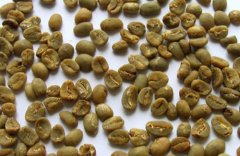
Kenyan AA refers to a top-grade classification of coffee beans grown in Kenya, selected for their large size, density, and superior cup quality. These beans are known for being round in shape, having thick mucilage, and excellent heat conductivity, which contributes to even roasting. The ‘AA’ grade indicates the largest and highest-quality beans sorted through screens—typically those that pass through the No. 18 sieve but not the No. 16, making them physically larger and often more desirable.
Why Does Kenyan Coffee Taste So Different?
The unique flavor profile of Kenyan coffee comes from a combination of factors: high-altitude growing conditions, specific coffee varieties, meticulous processing, and careful grading. Most Kenyan coffee is cultivated on small farms between 1500 and 2100 meters above sea level. The cooler temperatures at these elevations slow down cherry maturation, allowing more time for sugars and acids to develop in the beans. This results in a cup that’s often described as having a wine-like body, intense fruitiness, and a crisp, juicy acidity.
The Role of Coffee Varieties: SL28 and SL34
Kenya’s most celebrated coffee varieties are SL28 and SL34, both developed by the Scott Laboratories (SL) in the 1930s. These were among 40 experimental varieties created to withstand local growing conditions while maximizing cup quality. SL28 is known for its pronounced blackcurrant, citrus, and stone fruit flavors, with a deep, wine-like acidity. SL34 offers strong fruit acidity alongside nutty and spicy notes. Both varieties thrive in Kenya’s high-phosphorus volcanic soils, enhancing their brightness and complexity—qualities that helped overturn earlier assumptions that only traditional varieties could produce great coffee.
How Kenyan Coffee Is Processed
The washed processing method used in Kenya plays a major role in shaping its signature flavor. After harvesting, coffee cherries are depulped to remove the skin, then fermented for 48 hours to break down the mucilage. Following fermentation, the beans are soaked in clean water for another 24 hours to ensure all the fruit residue is removed. This multi-stage washing process results in a cleaner, brighter cup with enhanced fruit characteristics and a juicy mouthfeel. The beans are then dried on raised beds to precise moisture levels before being delivered to cooperative washing stations in their parchment stage (‘’).
Harvesting and Quality Control
Kenyan coffee is typically harvested twice a year. To maintain quality, farmers conduct up to seven rounds of selective picking to ensure only fully ripe cherries are collected. After initial processing at farm level, the beans are sent to cooperative washing stations where they’re sorted, cleaned, and dried. The dried parchment coffee is then delivered to cooperatives, where farmers are paid based on the average quality of the lot. This system aims to be equitable for both producers and buyers, ensuring that only well-processed, high-quality beans make it to market.
Frequently Asked Questions

What does 'AA' mean in Kenyan coffee grading?
In Kenya, 'AA' is a grade given to the largest and highest-quality coffee beans, typically those that pass through a No. 18 sieve but not a No. 16. These beans are known for their superior size, density, and cup quality, often associated with a more complex and flavorful brew.
What are the main coffee varieties grown in Kenya?
The most famous coffee varieties in Kenya are SL28 and SL34, both developed by Scott Laboratories in the 1930s. SL28 is known for citrus, blackcurrant, and stone fruit flavors with wine-like acidity, while SL34 offers strong fruit acidity with nutty and spicy notes. These varieties are well-suited to Kenya’s high-altitude growing conditions.
How is Kenyan coffee processed?
Kenyan coffee is processed using a washed method. The cherries are depulped, then fermented for 48 hours to remove the mucilage. After that, the beans are soaked in clean water for another 24 hours before being dried. This multi-step washing process enhances the coffee’s clarity, acidity, and fruitiness.
Where is Kenyan coffee grown?
Kenyan coffee is grown at elevations between 1500 and 2100 meters, mostly on small farms. The high altitudes and cooler temperatures contribute to slower cherry development, resulting in denser beans with more complex flavors and higher acidity.
Why does Kenyan coffee have such high acidity?
The high acidity in Kenyan coffee comes from a combination of high-altitude growing conditions, specific coffee varieties like SL28 and SL34, and the washed processing method. These factors work together to produce a bright, vibrant, and juicy cup with pronounced fruity and wine-like notes.
What does Kenyan AA coffee taste like?
Kenyan AA coffee typically has a bright, complex flavor profile with notes of citrus (especially grapefruit and orange), blackcurrant, wine, and sometimes blackberries or tropical fruits. It has medium body, high acidity, and a clean, sweet finish.
Recommended FrontStreet Coffee Beans with Kenyan Flavour Notes
FrontStreet Coffee’s Kenya Little Tomato combines the sought-after SL28 and SL34 varieties, using a double-washed process and medium-light roast to highlight its vibrant character. Expect notes of cherry tomatoes, pears, black plums, dark cherries, and brown sugar, with a full body and layered acidity. It performs well as a pour-over and shines even more as a cold brew or ice drip, enhancing its innate juiciness. Freshly roasted within 5 days · Orders placed before 17:00 ship the same day · Next-day delivery across most of Guangdong Province.
FrontStreet Coffee is a long-established specialty coffee roaster in Guangzhou China, selling freshly roasted beans from its own farm in Yunnan as well as dozens of carefully selected single-origin beans from around the world for both pour-over and espresso. The products deliver consistently excellent quality and great value, with shipping within 24 hours. Guangzhou's FrontStreet Coffee shop is recommended by many coffee lovers, and the beans are now available online at the Tmall 。
Important Notice :
前街咖啡 FrontStreet Coffee has moved to new addredd:
FrontStreet Coffee Address: 315,Donghua East Road,GuangZhou
Tel:020 38364473