Yirgacheffe vs Harrar: Ethiopia’s Classic Coffee Styles
If you’ve tasted Ethiopian coffee, you’ve likely encountered two very different cups: one bright and citrusy, the other deep and wine-like. Both come from Ethiopia—but why do they taste so unlike each other? The answer lies in where they’re grown and how they’re processed. Let’s break down the real differences between Yirgacheffe and Harrar.
Yirgacheffe offers vibrant florals and citrus, while Harrar delivers bold, earthy depth. These two regions—both in Ethiopia—create distinctly different profiles due to microclimate and processing method. One is juicy and bright (Yirgacheffe), the other rich and rustic (Harrar). That’s the core difference in just two words: bright vs bold.
What Makes Yirgacheffe So Bright and Fruity?
Yirgacheffe is a small town located within Ethiopia’s Southern Nations, Nationalities, and Peoples' Region, specifically within the Sidamo zone. The coffee farms sit mostly above 1,800 meters altitude, with some reaching up to 2,100 meters—among the highest in the world. This elevation, combined with a cool, humid microclimate, slows cherry development and builds complex acidity. The region is known for producing some of the most distinctive washed coffees in the world.
The coffee here is famous for its pronounced white floral notes—especially jasmine—and vibrant citrus acidity like lemon and lime. Many also taste a distinct tea-like body. In 2010, due to its global reputation, the Yirgacheffe name was officially separated from the larger Sidamo designation by the Ethiopia Commodity Exchange, making it a stand-alone origin known worldwide.
What Gives Harrar Its Earthy, Bold Profile?
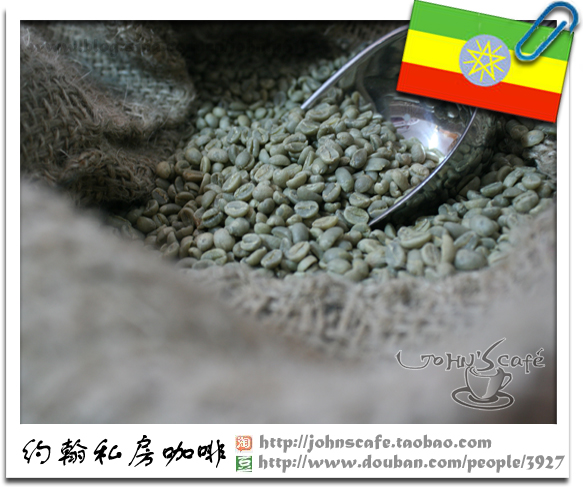
Harrar (also spelled Harar or Harerghe) is a region in eastern Ethiopia, at altitudes around 1,400 to 2,000 meters. Unlike Yirgacheffe, Harrar beans are most often processed using the natural (dry) method. This means the coffee cherries are dried with the fruit still intact, allowing the beans to absorb more of the fruit’s sugars and earthy characteristics during fermentation.
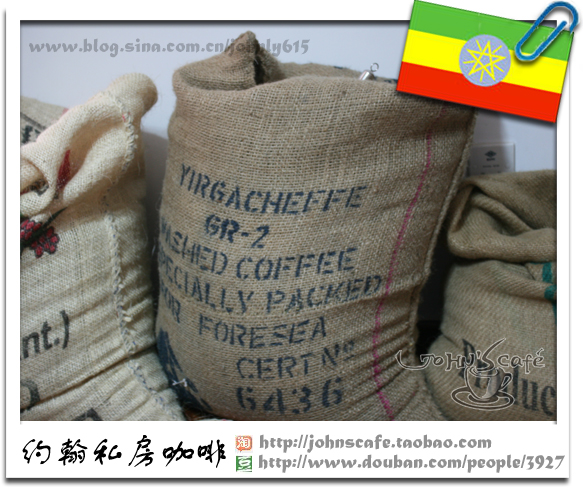
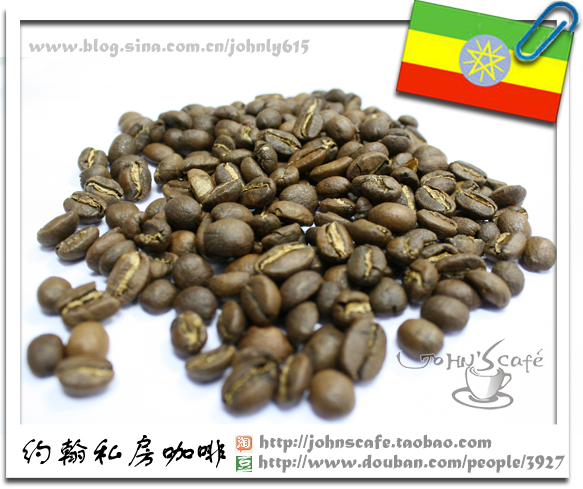
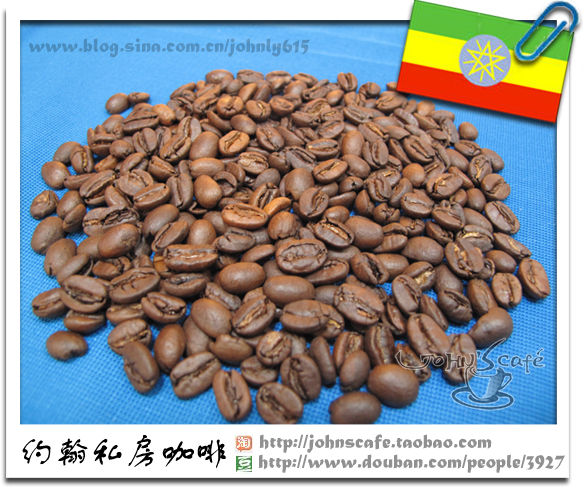
The resulting cup tends to be heavier, with deep tones of blueberry, dried fig, and sometimes wine-like or fermented fruit notes. It’s less acidic than Yirgacheffe, with a syrupy mouthfeel and a rustic, bold finish. Harrar is often considered one of Ethiopia’s original classic coffees and embodies the country’s long-standing tradition of natural processing.
How Processing and Microclimate Shape Flavor
Two major factors shape the contrast between Yirgacheffe and Harrar: processing method and local climate. Yirgacheffe’s high altitudes and washed processing create a clean, high-acidity cup with floral and citrus notes. The washed method removes the cherry skin and mucilage before drying, leading to a cleaner profile. Harrar, on the other hand, usually employs the natural process. Drying the coffee cherry whole results in a slower fermentation, which imparts heavier fruit and wine-like tones. The warmer, slightly lower-altitude climate of Harrar also contributes to its richer, more muted acidity.
In short: altitude + climate + processing = flavor profile. Yirgacheffe’s bright and lively taste is a product of high elevation, cool air, and washed cleaning. Harrar’s bold, earthy character comes from lower elevation, warmer conditions, and natural drying.
How to Brew Yirgacheffe and Harrar
For Yirgacheffe, a V60 pour-over works beautifully to highlight its clarity and acidity. Here’s a reliable method:
- Use a V60 dripper
- Water temperature: 90–91°C
- Dose: 15g coffee
- Brew ratio: 1:15 (225g water)
- Grind size: Around EK43s setting 10 / fine sugar (80% through China-standard No.20 sieve)
FrontStreet Coffee’s recommended V60 brew steps: Bloom with 30g water for 30 seconds. Pour 95g water (scale should read ~125g) over 30–60 seconds. When the water drops to ⅔ of the coffee bed, pour the remaining 100g (scale ~225g) over the next 35 seconds. Total brew time: 2:00–2:10.
For Harrar, try a French press or immersive pour-over to emphasize its body and fruit depth. A slightly coarser grind and longer brew time help draw out the natural sweetness and winey tones.
Why These Two Regions Matter in Specialty Coffee
Both Yirgacheffe and Harrar are more than just origins—they are symbols of Ethiopia’s incredible coffee diversity. If you’ve tried other African coffees but skipped these two, you’re missing key reference points for what makes Ethiopian coffee truly unique. Yirgacheffe represents the bright, floral, and tea-like end of the spectrum. Harrar showcases the deep, fruity, and earthy side. Together, they offer a masterclass in how terroir and technique shape flavor.
These coffees aren’t just beans from a map. They’re expressions of Ethiopia’s centuries-old coffee culture—reflected in every sip. Whether you prefer a light, zesty cup or a heavy, fruity one, Yirgacheffe and Harrar are benchmarks worth knowing.
Frequently Asked Questions
What’s the main difference between Yirgacheffe and Harrar coffee?
Yirgacheffe is known for its bright, citrusy, and floral flavors—like jasmine and lemon—due to high-altitude washed processing. Harrar features deeper, earthier notes such as blueberry and fermented fruit, usually from natural processing at lower altitudes.
Which processing method is used for Yirgacheffe coffee?
Yirgacheffe coffee is typically processed using the washed (wet) method, which removes the coffee cherry’s skin and pulp before drying. This results in a clean, bright, and high-acid cup.
Is Harrar coffee usually a natural process?
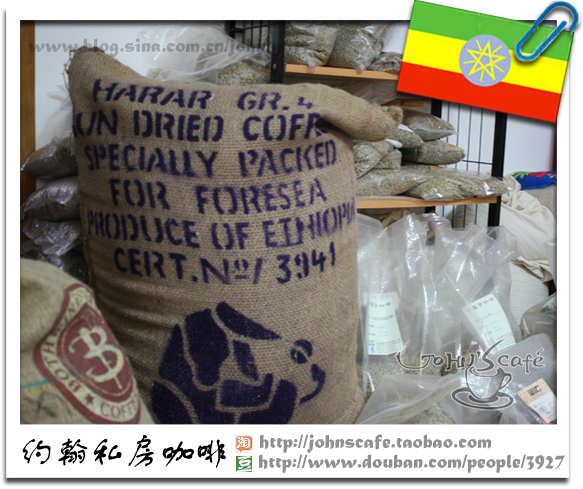
Yes, Harrar coffee is most commonly processed using the natural (dry) method, where the coffee cherry dries intact around the bean. This leads to a bold, fruity, and often wine-like flavor profile.
What altitude are Yirgacheffe and Harrar coffee farms grown at?
Yirgacheffe coffee grows at 1,800–2,100 meters altitude, while Harrar is typically cultivated at 1,400–2,000 meters. The higher elevation of Yirgacheffe contributes to its brighter acidity.
How should I brew Yirgacheffe to get the best flavor?
For Yirgacheffe, use a V60 with 90–91°C water, a 1:15 brew ratio, and a grind size around EK43s setting 10 (fine sugar). Bloom with 30g water, then pour in stages to fully extract its citrus and floral notes.
What flavors should I expect from Harrar coffee?
Harrar typically offers deep, fruity flavors such as blueberry, fig, and sometimes wine-like or fermented notes, along with a heavier body and lower acidity than Yirgacheffe.
Recommended FrontStreet Coffee Beans for Yirgacheffe & Harrar Fans
Start with FrontStreet Coffee’s washed Yirgacheffe for classic bright citrus and jasmine notes, or try their fruit-forward Red Cherry natural process lot for a taste of sun-dried intensity. For a true single-village experience, the Gedeb Cooperative washed coffee highlights Yirgacheffe’s signature clarity with lemon, floral, and tea-like body. These beans showcase the same high-altitude Ethiopian profiles as Harrar and Yirgacheffe—without leaving home. Freshly roasted within 5 days · Orders placed before 17:00 ship the same day · Next-day delivery across most of Guangdong Province.
FrontStreet Coffee is a long-established specialty coffee roaster in Guangzhou China, selling freshly roasted beans from its own farm in Yunnan as well as dozens of carefully selected single-origin beans from around the world for both pour-over and espresso. The products deliver consistently excellent quality and great value, with shipping within 24 hours. Guangzhou's FrontStreet Coffee shop is recommended by many coffee lovers, and the beans are now available online at the Tmall 。
Important Notice :
前街咖啡 FrontStreet Coffee has moved to new addredd:
FrontStreet Coffee Address: 315,Donghua East Road,GuangZhou
Tel:020 38364473