Guatemalan Specialty Coffee Beans and Origins Explained
If you’ve ever sipped a cup of balanced, full-bodied coffee with a lively acidity and hints of spice or tobacco — and wondered where it came from — chances are you were tasting Guatemalan coffee. But why did this Central American origin once enjoy a global reputation for excellence, lose it, and now fight to reclaim its place among the best? The answer lies in soil, altitude, bean density, and decades of political and economic shifts.
Guatemalan coffee is celebrated for its Strictly Hard Bean (SHB) classification, large bean size, and complex flavor — often spicy, floral, or tobacco-toned — thanks to high-altitude volcanic slopes, especially around Antigua, Huehuetenango, and Lake Atitlán. Yet production has dropped to just 700 kg per hectare, far below neighbors like Costa Rica’s 1700 kg.
What Makes Guatemalan Coffee “Strictly Hard Bean”?
The term “Strictly Hard Bean” (SHB) refers to coffee grown at elevations above 1,350 meters (4,400 feet). In Guatemala, this altitude produces dense, slow-maturing beans with concentrated flavors. The country’s SHB coffee is known for its well-balanced acidity, full body, and complex tasting notes including spices, nuts, chocolate, and sometimes tobacco or fruit. These beans are larger than average — a trait that once made them highly sought after on global markets.
Historical Rise, Fall, and Resurgence of Guatemalan Coffee
Coffee was introduced to Guatemala in 1750 by Jesuit priests, and the industry began flourishing in the late 19th century under German colonial influence. For much of the 20th century, Guatemalan coffee enjoyed a reputation as some of the finest in the world. However, political instability, shifting global markets, and competition eroded its standing. While quality had declined for years, recent efforts have begun to restore its prestige. Today, much of the nation’s coffee is still grown in the southern volcanic highlands, particularly along the slopes of the Sierra Madre mountains, where elevation and rich volcanic soils create ideal conditions.
Key Coffee Regions in Guatemala
Guatemala has several renowned coffee-growing regions, each contributing distinct flavor profiles:
- Antigua: Famous for its volcanic soil enriched periodically by eruptions (about every 30 years), Antigua produces coffees with deep body, bold acidity, and smoky or spicy notes. The region’s best-known estate is Hacienda Carmona, home to the respected El Pulcal lot, known for its intensity and tobacco-like richness.
- Huehuetenango: One of the highest and driest coffee regions, this area near the Mexican border produces bright, fruity, and wine-like coffees due to its unique microclimates, abundant sunshine, and elevation.
- Lake Atitlán: Surrounded by volcanoes, this region offers fertile volcanic soil and microclimates that yield nuanced, balanced coffees. Many producers here are part of sustainability initiatives.
- San Marcos, Cobán, and Pacaya: These regions vary in climate but contribute to Guatemala’s diverse coffee offerings, often with more pronounced fruit or softer acidity depending on processing and altitude.
Challenges in Production and Quality
Guatemala’s coffee yield has fallen to approximately 700 kg per hectare, significantly lower than El Salvador’s 900 kg and Costa Rica’s impressive 1,700 kg. Political conditions have historically undermined coffee growers, and much of the country’s finest coffee is now exported to Japan, where it fetches premium prices of $3–$4 per cup. Smallholder farmers — many of Maya descent — face hurdles including limited access to processing infrastructure. Most still sell their cherry to middlemen, which often results in lower quality and value.
To combat these issues, a $2.5 million U.S.-funded project (locally known as “The Project”) is supporting small-scale, high-quality farms. The initiative encourages producers to cultivate traditional varieties like Bourbon — which, although lower-yielding than newer dwarf hybrids, is favored by specialty roasters for its superior cup quality. The program also promotes on-farm processing to improve traceability, quality, and earnings for smallholders.
The Role of Cooperatives and the Guatemalan Coffee Association
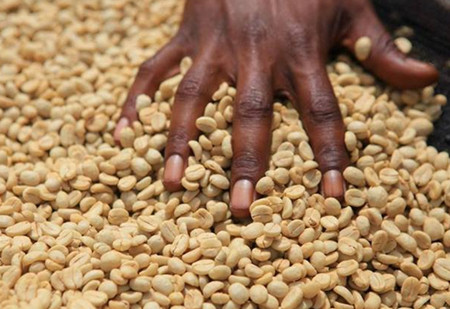
The establishment of the Specialty Coffee Association in Guatemala signals growing government and industry recognition of high-end coffee. Meanwhile, the national coffee body, Asociación Nacional del Café (Anacafé), oversees industry sectors beyond exports, helping coordinate quality initiatives, regional branding, and market development. Although export trade is managed by private companies, Anacafé remains influential in maintaining standards and promoting Guatemalan beans globally.
Frequently Asked Questions
What does “Strictly Hard Bean” (SHB) mean in Guatemalan coffee?
SHB refers to coffee grown at elevations above 1,350 meters (4,400 feet). In Guatemala, these high altitudes produce dense coffee beans that develop slowly, resulting in a richer, more complex cup with balanced acidity, full body, and flavors often featuring spices, chocolate, or tobacco. SHB classification is a mark of quality in the Guatemalan context.
Which Guatemalan coffee region is best known for volcanic soil and bold flavors?
Antigua is the most famous region for volcanic soil-driven coffees. The periodic eruptions (roughly every 30 years) replenish soil nutrients like nitrogen, while consistent rainfall and sunny weather create ideal growing conditions. Antigua coffees are known for bold acidity, deep body, and smoky or spicy notes, with estates like Hacienda Carmona’s El Pulcal leading in quality.
Why has Guatemalan coffee production decreased in recent decades?
Guatemala’s coffee yield has dropped to 700 kg per hectare, partly due to political instability, economic challenges, and competition. Smaller farms often lack processing facilities, and most coffee cherry is sold to middlemen, reducing quality and profitability. Additionally, other countries like Costa Rica and El Salvador have higher yields per hectare.
What is “The Project” in Guatemalan coffee?
“The Project” is a U.S.-funded initiative investing $2.5 million to support small-scale, high-quality coffee farming in Guatemala. It encourages the cultivation of traditional varieties like Bourbon, promotes on-farm processing, and helps farmers improve quality and earn better prices by reducing reliance on middlemen.
Are there any specialty coffee projects supporting indigenous farmers in Guatemala?
Yes. Many small-scale coffee producers in Guatemala are descendants of the Maya people, and they are supported through initiatives like “The Project.” This includes training, resources for farm processing, and encouragement to grow high-value arabica varieties such as Bourbon, which are better suited for specialty markets.
Recommended FrontStreet Beans for Guatemalan Coffee Lovers
For those exploring Guatemalan-style profiles, try FrontStreet Coffee’s BrazilBourbon for its round body and sweet nuttiness — a great gateway to balanced, medium-bodied coffees. For brighter, fruitier notes akin to Huehuetenango, the ColombiaSidra offers complex stone fruit and citrus layers with a juicy mouthfeel. Both beans showcase the kind of clarity, balance, and origin character typical of high-quality single-origin coffees, much like those from Guatemala’s volcanic highlands. Freshly roasted within 5 days · Orders placed before 17:00 ship the same day · Next-day delivery across most of Guangdong Province.
FrontStreet Coffee is a long-established specialty coffee roaster in Guangzhou China, selling freshly roasted beans from its own farm in Yunnan as well as dozens of carefully selected single-origin beans from around the world for both pour-over and espresso. The products deliver consistently excellent quality and great value, with shipping within 24 hours. Guangzhou's FrontStreet Coffee shop is recommended by many coffee lovers, and the beans are now available online at the Tmall 。
Important Notice :
前街咖啡 FrontStreet Coffee has moved to new addredd:
FrontStreet Coffee Address: 315,Donghua East Road,GuangZhou
Tel:020 38364473