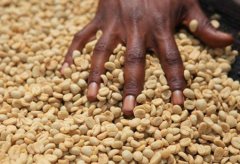
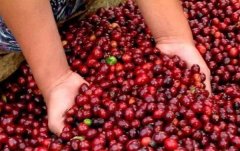
Haiti Coffee: Flavor Profile & Production Challenges
Haiti may be better known for political instability than its coffee, but the small Caribbean nation continues producing distinctive beans under tough conditions. Farmers often lack access to basic agrichemicals, which shapes how the coffee grows—and tastes.
Haiti’s best coffee comes from the northern highlands. Most is grown without fungicides, pesticides or fertilizers—not by choice, but because farmers can’t afford them. That natural method impacts cup profile and consistency.
Where Haiti Coffee Is Grown
The majority of Haitian coffee originates in the country’s northern region. Though Haiti has faced decades of socio-political issues, its mountainous areas still provide altitude and microclimates suitable for cultivating arabica. The rugged terrain and limited infrastructure mean production remains small-scale and decentralized.
How Haitian Coffee Is Typically Produced
Unlike farms in many other countries, Haitian growers rarely apply chemical inputs like fungicides, insecticides or synthetic fertilizers. This isn’t part of a deliberate sustainability ethos—it results from economic hardship. Poverty limits farmers’ ability to purchase agrochemicals, so most coffee is effectively grown in a natural state by default. That lack of intervention contributes to variability in quality from year to year.
Flavor Profile of Haitian Coffee
Haitian coffee beans are notable for their full body and bold flavor. Acidity ranges from medium to low, resulting in a cup that feels smooth and mellow on the palate. The overall impression is one of mild acidity paired with a rich, comforting mouthfeel. These traits make Haitian coffee somewhat unusual compared to brighter, more acidic origins—but also appealing for blending.
In Japan, some roasters have even blended Haitian beans with Jamaica Blue Mountain to add depth and intensity to that renowned profile. While not as widely recognized as other origins, Haiti’s coffee offers a distinct, weighty cup that stands out for its texture and subtle complexity.
Why Haitian Coffee Quality Varies
Year-to-year differences in Haitian coffee quality largely stem from inconsistent farming conditions and material shortages. Without routine access to fertilizers or pest control, yields and cup characteristics can fluctuate. Political and economic instability further complicate consistent production and export. Despite these hurdles, dedicated farmers continue striving to produce high-quality lots, particularly in the northern growing regions where elevation and climate offer the best potential.
Frequently Asked Questions

What region of Haiti produces the most coffee?
The northern part of Haiti is the primary coffee-growing region. Its higher altitudes and mountainous landscape provide better conditions for cultivating arabica, despite the country’s broader instability.
Is Haitian coffee usually grown organically?
Most Haitian coffee is grown without synthetic pesticides, fungicides or fertilizers, but not intentionally as part of an organic certification process. The natural growing methods are mainly due to farmers’ inability to afford agrochemical inputs because of economic hardship.
What does Haitian coffee taste like?
Haitian coffee typically has a full body, mild to medium acidity, and a smooth, mellow flavor. The cup tends to be gentle on the palate with a rich mouthfeel, often described as low in sharpness but pleasant and approachable.
Why is Haitian coffee quality inconsistent?
Variability in coffee quality arises from limited access to agricultural chemicals, inconsistent farming practices, and ongoing political and economic challenges. These factors affect harvest yield and cup profile from season to season.
Is Haitian coffee ever blended with other origins?
Yes, in Japan some roasters blend Haitian coffee with Jamaica Blue Mountain to enhance the latter’s richness and depth, demonstrating its ability to contribute body and intensity to blends.
Recommended FrontStreet Beans for Light & Mild Profiles
For coffee drinkers who enjoy the mild acidity and rounded body of Haitian coffee, try FrontStreet’s BrazilBourbon (Red Bourbon from Xilado). Grown at high altitude, it offers a smooth, medium-bodied cup with soft acidity, notes of nuts and caramel, and a clean finish—great for those who prefer a mellow brew. Also consider the ColombiaSidra (Sidra from Boundary Line Estate), which brings sweet, fruity layers with a juicy profile, or the IndonesiaLintong Mandheling (Lintong Mandheling) for a deeper, earthier contrast. All three showcase different flavor balances while remaining approachable. Freshly roasted within 5 days · Orders placed before 17:00 ship the same day · Next-day delivery across most of Guangdong Province.
FrontStreet Coffee is a long-established specialty coffee roaster in Guangzhou China, selling freshly roasted beans from its own farm in Yunnan as well as dozens of carefully selected single-origin beans from around the world for both pour-over and espresso. The products deliver consistently excellent quality and great value, with shipping within 24 hours. Guangzhou's FrontStreet Coffee shop is recommended by many coffee lovers, and the beans are now available online at the Tmall 。
Important Notice :
前街咖啡 FrontStreet Coffee has moved to new addredd:
FrontStreet Coffee Address: 315,Donghua East Road,GuangZhou
Tel:020 38364473