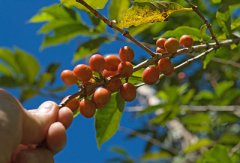
Honduras Coffee Guide: Farms, Altitudes & Flavors
If you’ve ever tasted a blended coffee labeled ‘Latin American medium’, chances are it included beans from Honduras. But beyond its role in blends, Honduras grows distinctive high-acid, complex-profile coffees—especially from its high-altitude farms. So what defines Honduras coffee, why does altitude matter so much, and which beans stand out?
Honduras produces some of Central America’s best high-altitude washed Arabica, with grade determined strictly by elevation: 700–1000m (medium), 1000–1500m (high quality), and 1500–2000m (special grade).
How Honduras Coffee Took Root
Coffee arrived in Honduras from El Salvador, and over time the country developed its own reputation. Though once mainly used in blends, Honduran beans—especially those grown at elevation—are now recognized for their bright acidity and layered flavors. The country’s coffee industry took a major leap after Brazil’s 1975 frost, boosting production from 500,000 to 1.8 million bags within 20 years.
Why Altitude Matters in Honduran Coffee
Honduras grades its coffee by altitude, a standard practice across specialty-producing countries. The breakdown is clear:
- 700–1000 meters: Medium grade
- 1000–1500 meters: High-quality grade
- 1500–2000 meters: Special (premium) grade
This tiered system reflects how elevation influences cup profile—higher altitudes typically mean slower bean development, brighter acidity, and more complex fruit and floral notes.
The Key Coffee Varieties & Processing
Most Honduran coffee is Arabica, with the most common varieties being Caturra, Catuai, Pacas, and Typica. These are almost exclusively processed using the washed method: depulping and fermenting the beans to remove the outer fruit layers before drying. This processing enhances clarity and cleanliness in the cup. The average growing elevation exceeds 1000 meters, ideal for developing nuanced profiles.
Major Growing Regions & Challenges
Honduras is the largest coffee producer in Central America, and when considering washed Arabica alone, it ranks as the world’s second-largest producer. The mountainous terrain and tropical climate create varied microclimates and fertile soils—key factors for high-quality coffee. However, coffee leaf rust (Rust) has posed a significant threat, especially in the eastern regions. Treatments, including fungicide sprays, have helped manage the disease and stabilize yields.
Export & Market Focus
Honduran coffee is typically exported by independent traders, with the United States and Germany as the primary destinations. While much of it still ends up in blends, single-origin lots from higher-altitude farms are gaining recognition among specialty roasters for their vibrant acidity and layered fruit, nut, and caramel notes.
Frequently Asked Questions
What altitude is considered high-quality coffee in Honduras?
In Honduras, coffee grown between 1000 and 1500 meters is classified as high quality, while beans from 1500 to 2000 meters earn the special (premium) grade. These higher elevations typically produce brighter acidity and more complex flavors.
What are the main coffee varieties grown in Honduras?
The most common coffee varieties in Honduras are Caturra, Catuai, Pacas, and Typica—all Arabica types. These varieties thrive at higher altitudes and are well-suited to the washed processing method used across the country.
How is Honduran coffee graded?
Honduran coffee is graded strictly by altitude: 700–1000 meters (medium), 1000–1500 meters (high quality), and 1500–2000 meters (special grade). This system highlights how elevation affects the coffee’s flavor profile and quality.
Does Honduras produce more washed Arabica than other countries?
Yes, when considering only washed Arabica, Honduras is the world’s second-largest producer. It is also the largest coffee producer in Central America overall.
What challenges does Honduran coffee face?
Coffee leaf rust (Rust) is a major challenge, especially in eastern Honduras. The use of fungicide sprays has been crucial in managing the disease and maintaining coffee yields.
Where is Honduran coffee mostly exported?
Honduran coffee is primarily exported to the United States and Germany, usually shipped by independent traders rather than centralized state bodies.
Recommended FrontStreet Honduras Coffee Beans
FrontStreet Coffee’s washed-process Caturra highlights the bright, complex profile typical of Honduras’ high-altitude lots. Expect layered fruit, nut, and caramel tones with a lively acidity—traits prized in the country’s 1000–2000 meter-grown beans. This single-origin offering showcases the clean cup and balanced structure that make Honduran washed Arabica stand out. Freshly roasted within 5 days · Orders placed before 17:00 ship the same day · Next-day delivery across most of Guangdong Province.
FrontStreet Coffee is a long-established specialty coffee roaster in Guangzhou China, selling freshly roasted beans from its own farm in Yunnan as well as dozens of carefully selected single-origin beans from around the world for both pour-over and espresso. The products deliver consistently excellent quality and great value, with shipping within 24 hours. Guangzhou's FrontStreet Coffee shop is recommended by many coffee lovers, and the beans are now available online at the Tmall 。
Important Notice :
前街咖啡 FrontStreet Coffee has moved to new addredd:
FrontStreet Coffee Address: 315,Donghua East Road,GuangZhou
Tel:020 38364473