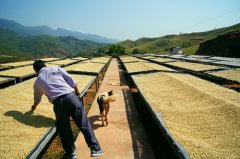
What Makes Java Coffee Unique in Indonesia?
When coffee lovers think of Asia, Ethiopia and Yemen often come to mind—but Indonesia, especially the island of Java, plays a major role in global coffee history. Java doesn’t just produce commodity-grade robusta; it’s home to some of the most nuanced and historically significant Arabica coffee in the region. If you’ve ever heard someone refer to "a cup of Java," they’re talking about more than just slang—they’re referencing a legacy of quality coffee grown under unique tropical conditions.
Java produces both Arabica and Robusta, but only around 10% of its coffee is high-quality Arabica, with the rest mostly disease-resistant Robusta. Among the Arabica, Java coffee is valued for its rich aroma, bright acidity, and lingering nutty flavors.
Indonesia’s Place in Global Coffee History
Indonesia is a sprawling archipelago straddling the equator, with three key coffee-growing islands: Java, Sumatra, and Sulawesi. Coffee was introduced to Java by the Dutch in the mid-17th century, making it one of the first places outside Arabia and Ethiopia to cultivate the crop commercially. By the 18th century, Java had become a leading global coffee supplier, exporting premium Arabica almost exclusively to Europe.
However, in 1869, coffee leaf rust hit Ceylon (now Sri Lanka) and quickly spread to Indonesia. By 1877, most of Java’s Arabica farms had been destroyed. The Dutch responded by importing disease-resistant Robusta coffee from Africa, which now makes up around 90% of Indonesia’s total production—approximately 6.8 million 60kg bags annually. Only a small fraction remains high-grade Arabica.
Why Java Coffee Stands Out
Unlike many Indonesian coffees that are labeled simply by country, Java coffee is identified directly by island—highlighting its distinct regional identity. Java’s moderate climate, high humidity, and diverse microclimates allow for year-round harvesting, with different coffee varieties ripening at various times.
The best Java coffee is grown at elevation and processed carefully to preserve its inherent qualities. The result is a cup that’s often described as full-bodied, well-balanced, and aromatic—with a bright, clear acidity and notes of nuts and sometimes even light spice. It’s a coffee that lingers pleasantly on the palate, earning its association with refinement and quality.
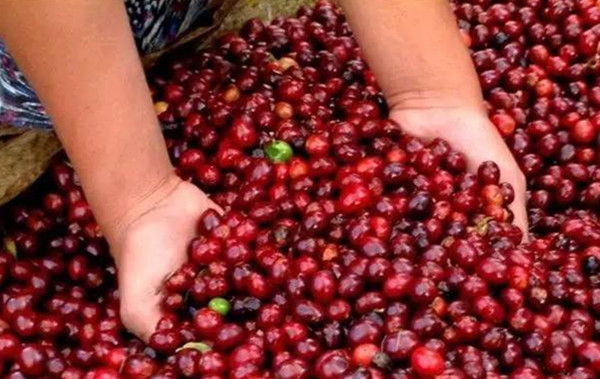
Flavor Profile of Java Coffee
High-quality Java Arabica is known for several defining taste characteristics:
- Bright Acidity: A lively, clean sourness that supports the cup without overpowering it.
- Nutty Undertones: Common notes include almond, hazelnut, and other baked nut flavors.
- Rich Body: A heavy, syrupy mouthfeel that gives the coffee a lush texture.
- Spice & Earth Notes: Subtle hints of clove, tobacco, or wood may appear in the finish.
- Balanced Finish: Flavors are cohesive, with a long-lasting, pleasant aftertaste.
These attributes make Java coffee especially appealing to drinkers who enjoy classic, structured cups with both brightness and depth. The flavor is consistent enough that “Java” has become almost synonymous with “high-quality, well-rounded coffee.”
How Java Coffee Is Grown and Processed
Java’s coffee farms benefit from volcanic soil and tropical weather, though much of the island now grows Robusta due to its hardiness. The remaining Arabica is typically cultivated at higher elevations where cooler temperatures slow ripening and develop more complex flavors.
Historically, Java Arabica was famous for being processed at centralized government-run estates, particularly on the Ijen Plateau. These estates employed careful washing (wet) processing methods that enhanced clarity and acidity. Though many farms today are smaller and less centralized, the emphasis on clean processing remains a hallmark of top-tier Java beans.
Java vs Other Indonesian Coffees
While Sumatra (especially Mandheling and Lintong) is known for its low-acidity, herbal, and earthy profile—often using the unique wet-hulled or “Giling Basah” method—Java typically offers a brighter, more balanced cup. Sulawesi (Toraja) coffees are also fruity and clean, but Java remains distinctive for its structured body and nut-forward aromatics.
Robusta, which dominates Indonesia’s output, is much more bitter, higher in caffeine, and generally used in blends or instant coffee. It lacks the acidity and complexity of Arabica, which is why the remaining 10% of Arabica Java is so prized.
Frequently Asked Questions
What makes Java coffee different from other Indonesian coffees?
Java coffee is typically brighter and more balanced, with a notable acidity and nutty profile, whereas Sumatran coffees like Mandheling are deeper, earthier, and lower in acidity due to processing methods like wet hulling. Java also has a historical reputation for high-quality washed Arabica.
Is Java coffee mostly Arabica or Robusta?
Only around 10% of coffee produced in Java and Indonesia overall is high-quality Arabica. The vast majority—about 90%, or 6.8 million bags per year—is Robusta, which is more disease-resistant but less flavorful.
What does Java coffee taste like?
High-quality Java Arabica features bright acidity, a rich body, and flavors often described as nutty, spicy, or with subtle hints of caramel and wood. The cup is typically well-balanced and smooth with a long finish.
Where is Java coffee grown in Indonesia?
Java coffee is grown across the island of Java, with historically significant production coming from regions like the Ijen Plateau. The island’s volcanic soils, tropical climate, and elevation variations create ideal conditions for cultivating aromatic Arabica.
Does Java coffee still have historical significance?
Yes, Java was one of the first places outside Arabia and Ethiopia to grow coffee commercially in the 1700s and was a major supplier to Europe in the 18th century. Its role in global coffee trade has given the term “cup of Java” lasting cultural recognition.
Can I buy single-origin Java coffee?
Yes, single-origin Java Arabica is available, though rare compared to blended or Robusta-heavy commercial coffee. Look for washed-process Java beans to experience the classic bright and nutty profile.
Recommended FrontStreet Beans from Java-Inspired Regions
For those seeking Indonesian coffees with similar complexity to Java’s finest, try FrontStreet’s Lintong Mandheling, known for its spicy, dark chocolate, and caramel notes with a sweet finish, and PWN Golden Mandheling, which offers bold flavors of toast, pine, caramel, and cocoa with a thick, layered body and lasting sweet aftertaste. Both are premium Mandheling types from Sumatra but share Java’s tradition of balance and depth. Freshly roasted within 5 days · Orders placed before 17:00 ship the same day · Next-day delivery across most of Guangdong Province.
FrontStreet Coffee is a long-established specialty coffee roaster in Guangzhou China, selling freshly roasted beans from its own farm in Yunnan as well as dozens of carefully selected single-origin beans from around the world for both pour-over and espresso. The products deliver consistently excellent quality and great value, with shipping within 24 hours. Guangzhou's FrontStreet Coffee shop is recommended by many coffee lovers, and the beans are now available online at the Tmall 。
Important Notice :
前街咖啡 FrontStreet Coffee has moved to new addredd:
FrontStreet Coffee Address: 315,Donghua East Road,GuangZhou
Tel:020 38364473